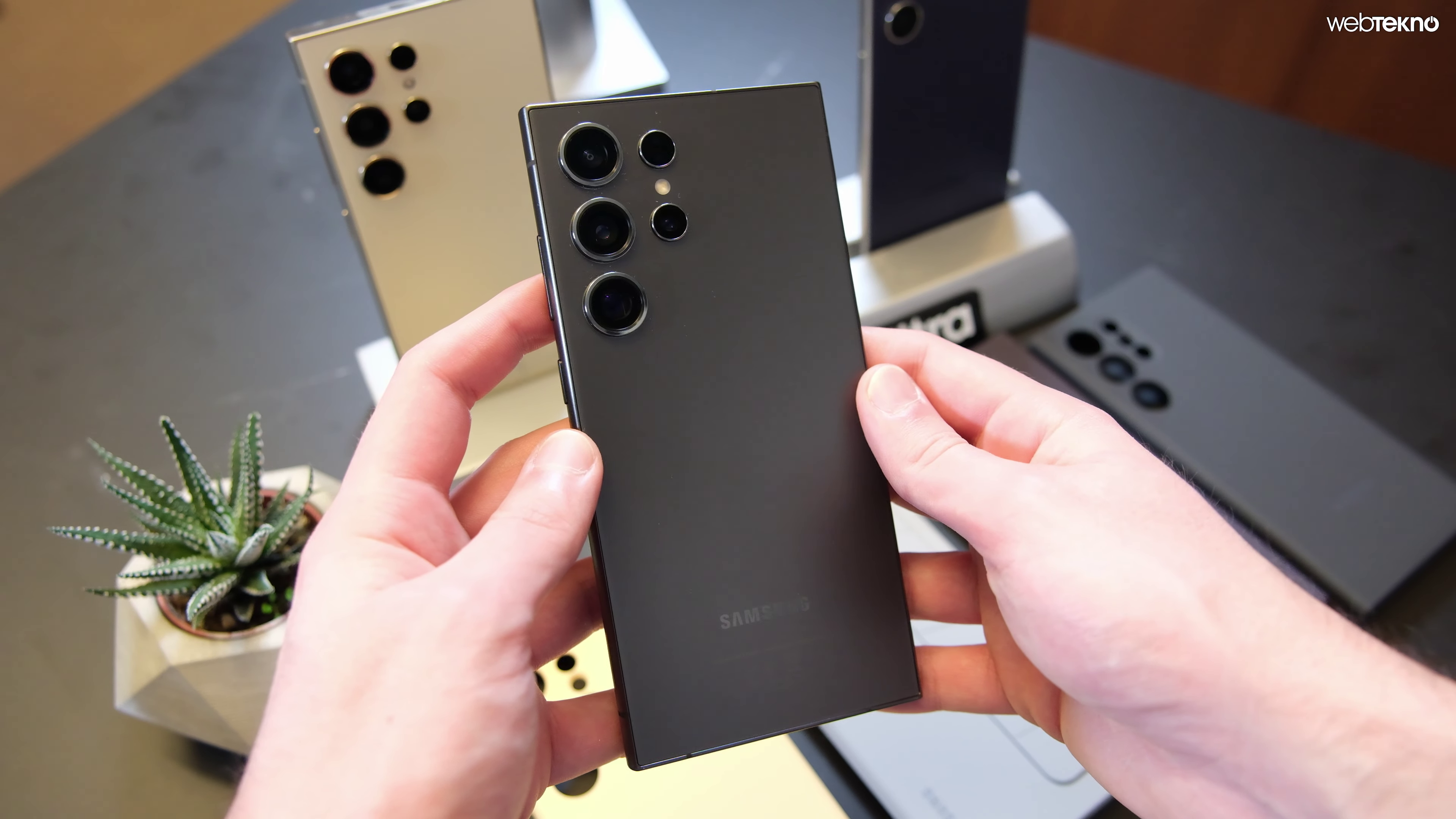
Launch-day phone reviews are a peculiar literary form. A device arrives in a spotless box, its battery is young, storage is empty and the reviewer has not yet dropped it onto a station platform. The camera is tested in photogenic markets. Performance is measured during a honeymoon week. Then the verdict arrives: this is the phone to buy. For an Indian customer spending a month’s salary and expecting three or four years of use, that verdict answers the least interesting question. Almost every competent phone feels good when it is new.
I want to know what happens after the promotional exchange bonus disappears. Does the battery survive a summer in Ahmedabad? Can the modem hold a call on a crowded suburban train? What does a cracked screen cost, and is the part available outside a handful of cities? Does the manufacturer’s service centre diagnose sensibly or propose replacing half the phone? Will software updates fix bugs without introducing fresh ones? Ownership is the product. Specifications are its opening statement.
Seven years of updates are not seven years of support
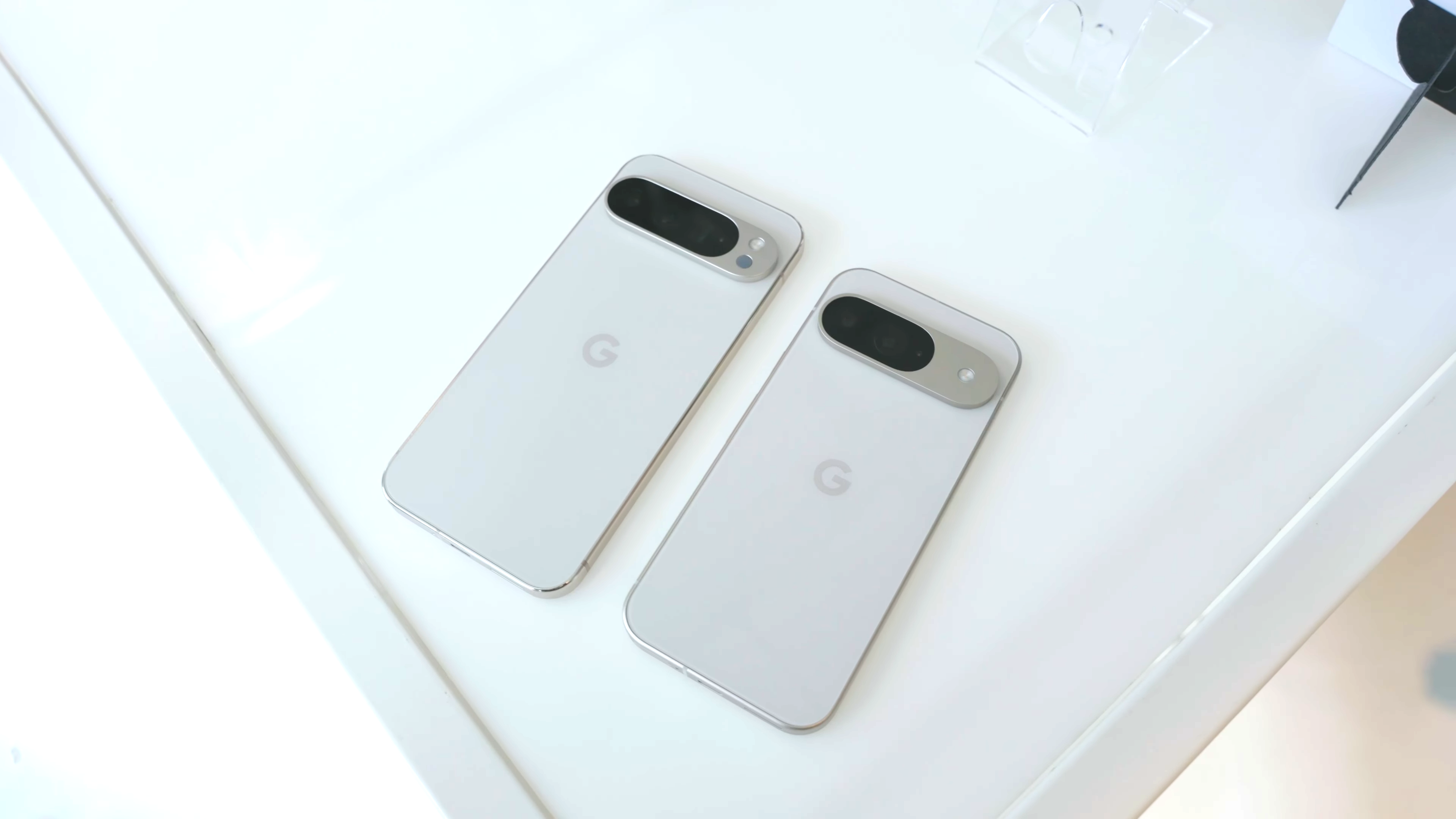
Google and Samsung have pushed the industry toward longer software commitments, which is welcome. The Pixel 9 is a useful symbol of that shift: buyers can reasonably expect security and operating-system support far beyond the old two- or three-year norm. Long commitments change resale value and reduce the absurdity of discarding capable hardware because patches stopped. I give manufacturers credit for moving the baseline.
But an update promise is not identical to a good seven-year ownership experience. Battery capacity declines. Charging ports wear. Adhesives age. New software may demand more from old processors. A manufacturer can technically deliver patches while making repairs slow and expensive enough that owners replace the device. Support must therefore include parts availability, published repair pricing, trained technicians and sensible turnaround times. Otherwise, longevity becomes a line on the box.
India adds specific stresses that global reviews underweight. Heat affects battery health and sustained performance. Dust finds speakers and ports. Patchy network coverage makes modem efficiency matter more than peak download demonstrations. Dual-SIM behaviour is not a niche feature. Spam-call handling, regional-language input and reliable banking applications shape daily satisfaction. A flagship camera cannot compensate for missed calls or a battery collapsing during a long commute.
The Pixel lesson is about friction
I like Google’s Pixel approach in principle: clean software, excellent computational photography and a long update runway. Yet Pixel ownership in India has historically involved more friction than the brand’s American narrative admits. Availability arrived unevenly across generations, service reach has been less reassuring than that of larger incumbents, and aggressive imported-phone pricing often collided with strong discounts from Samsung and Chinese brands. A phone can be intelligent while its ownership network remains underdeveloped.
This is why I resist review scores that treat the device as a sealed rectangle. Samsung’s great advantage is not that every Galaxy is thrilling. It is that a buyer in many Indian cities can find accessories, service options and technicians familiar with the hardware. Xiaomi, Vivo, Oppo and Realme built reach as much as products. Their phones may contain unwanted applications or inconsistent update policies, but their physical distribution understands India beyond airport metros. Ownership convenience is a feature even when it cannot be benchmarked.
Manufacturers should publish a five-year cost-of-ownership sheet for every major phone: battery replacement, display replacement, charging-port repair and guaranteed parts period. Reviewers should track those prices. A ₹5,000 launch discount looks different if the official screen replacement costs half the handset’s street price. Insurance plans should be examined for exclusions rather than mentioned as checkout accessories. Consumers deserve to know whether an accident is repairable or economically terminal.
Battery testing also needs to mature. A single-day endurance loop tells us how fresh chemistry behaves under controlled use. It does not predict capacity after hundreds of cycles. Review outlets cannot wait two years before publishing every verdict, but they can maintain long-term fleets, issue six- and twelve-month updates, and compare degradation. They can test thermal behaviour during navigation, hotspot use and video calls in Indian ambient temperatures. Those results would help buyers more than another chart showing a phone opened an application milliseconds faster.
Cheap storage upgrades are often the best premium feature
One reason phones age badly is not the processor but storage pressure. Photographs, messaging media, offline video and large applications accumulate. A base model that feels generous during setup can become a weekly deletion ritual. Manufacturers advertise headline starting prices using the smallest configuration, then charge disproportionately for additional storage. Indian buyers planning long ownership should often prioritise capacity over a marginally better camera sensor or decorative “Pro” label.
Software clutter compounds the problem. Preinstalled applications, duplicate stores and promotional notifications cheapen otherwise good hardware. Some brands defend advertising as part of affordable pricing. I understand the economics at the lowest end, but buyers should receive a clear switch that disables commercial recommendations permanently. A purchased device is not rented billboard space. Reviewers should test whether unwanted software returns after updates and whether system applications can be removed.
Privacy deserves similarly practical treatment. Most people will not read policies, but reviewers can document permissions, cloud dependencies and default data sharing. A camera feature that uploads an image for processing should say so plainly. AI tools are rapidly becoming the new specification race, with manufacturers promising summarisation, editing and assistants of uncertain long-term cost. Buyers need to know which features operate locally, which require accounts and which may move behind subscriptions.
The counterargument is that consumers enjoy innovation and cannot be expected to shop like procurement officers. True. Phones are personal objects, and delight matters. A great camera may justify inconvenience for a parent recording childhood. A compact body may matter more than battery endurance. My point is not that everyone should buy the dullest serviceable rectangle. It is that reviews should reveal trade-offs over the period people actually own these devices.
My two-year test
If I were choosing between current upper-midrange and flagship phones, I would ask six questions. Is the update commitment written and model-specific? Is an authorised service centre realistically reachable? Are battery and display prices published? Does the modem perform reliably on the networks I use? Is the base storage adequate for four years? Can I disable promotional software without a technical ritual? A phone failing two of these questions needs exceptional strengths to remain on my list.
I would then ignore most benchmark differences. Modern processors are fast enough for common tasks. Sustained performance matters to gamers and creators, but peak scores have become marketing theatre for everyone else. Camera evaluation should focus on moving children, indoor skin tones and video stability rather than architecture under perfect light. Speakers should be tested in a noisy kitchen. Haptics matter because users feel them hundreds of times. Small daily qualities outlast the thrill of a specification.
Longer software support creates an opportunity for the entire industry. If phones remain secure for seven years, manufacturers can develop certified refurbishment, affordable battery replacement and stronger trade-in markets. Policymakers can encourage repair documentation and parts access. Retailers can sell verified used devices with meaningful warranties. Longevity need not reduce business; it can create service revenue and bring premium hardware to buyers at lower prices.
The best phone is not the one that wins launch week. It is the one you stop thinking about because it remains reliable through late trains, hot afternoons, banking updates, accidental drops and a slowly filling photo library. I will happily admire a clever camera or elegant design. But my recommendation belongs to the manufacturer that still answers the phone when the device is old. In India, after-sales competence is not an appendix to technology. It is the technology experience.