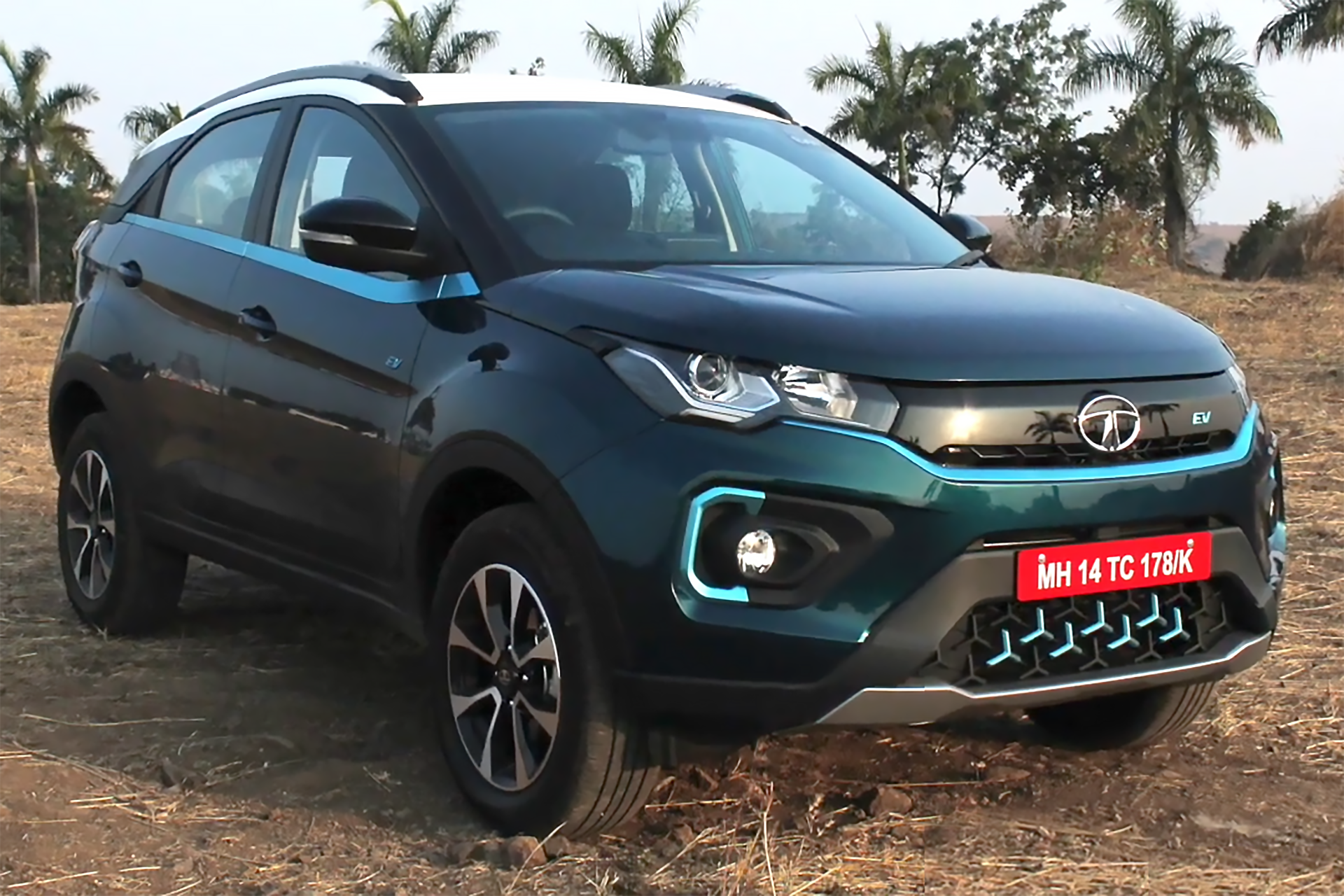
Indian car showrooms are designed to make sensible people feel inadequate. You arrive wanting an engine, four wheels and protection for your family. Within twenty minutes, someone is explaining that the variant you selected lacks a larger touchscreen, diamond-cut alloys, ambient lighting and the particular dignity conferred by a black roof. Safety, meanwhile, is mentioned through a star-shaped sticker as though every version of the model has received an identical blessing.
Bharat NCAP is a major improvement because it gives Indian buyers a domestic crash-test reference. The programme’s official site explains the star framework, while its ratings database increasingly identifies whether a result applies to a base car, an optional configuration or select variants. That qualification is not small print. It is the difference between useful consumer information and showroom fog.
A model name is not a safety specification
Manufacturers sell one model under a family of trims that may differ in airbags, electronic stability control, tyre equipment, braking hardware, driver-assistance systems and even vehicle weight. Structural integrity may be shared, but crash avoidance and occupant protection are systems, not a single shell. A five-star advertisement beside a model photograph can encourage buyers to assume the cheapest version carries every tested feature.
I want the rating displayed against the exact variant code. The quotation, booking form and invoice should state whether that configuration is covered by the published test. If equipment differs from the tested vehicle, the difference should be listed in plain language. “Select variants” is acceptable in a technical database; it is not enough at the sales desk.
Dealers will complain that this adds complexity. They already manage astonishing complexity when selling decorative packs, connected features and finance products. A salesperson can explain the difference between two nearly identical alloy-wheel designs; the same organisation can explain whether curtain airbags or stability control are standard.
Manufacturers should also stop bundling core safety with luxury. A buyer should not need a panoramic sunroof to obtain six airbags, electronic stability control or better head protection. Comfort and cosmetic equipment can climb with price. Essential crash protection should be standard wherever technically possible. The base variant is often purchased by families with the least financial room to recover from injury.
Five stars do not repeal physics
Ratings compare performance under defined tests. They do not make occupants invulnerable. Vehicle speed, impact angle, compatibility with other vehicles, seat-belt use, child-seat installation and emergency response all affect outcomes. Buyers sometimes treat five stars as permission to drive faster in a heavier SUV. That is safety marketing defeating safety.
A high score is still valuable. Standardised frontal, side and child-occupant assessments push manufacturers to strengthen structures and add protective systems. Public ratings create competition that regulations alone may not. A legal minimum asks whether a car can be sold; consumer testing asks how well it protects relative to alternatives.
The protocols must evolve transparently. As fleets improve, tests should become more demanding and place greater emphasis on vulnerable road users and crash avoidance. Ratings from different protocol years should not be treated as perfectly comparable. The programme should make protocol dates prominent so an older five-star result does not float forever beside a newer, stricter one without context.
Testing coverage matters too. Popular mass-market cars and their common variants should be prioritised, not only new flagships supplied for publicity. Random selection from dealer stock would increase confidence. Manufacturers should pay predictable fees without controlling which specially prepared vehicle appears. Independence is as important as the barrier.
Value is not the longest feature list
I have driven expensive top trims made worse by their equipment. Oversized wheels damage ride quality and tyre replacement costs. Sunroofs reduce headroom and become heat collectors. Touch controls turn simple adjustments into distraction. Advanced driver aids calibrated poorly for Indian traffic produce warnings until owners switch them off. More hardware is not automatically more car.
The sensible variant usually sits where the proven engine and gearbox meet complete safety equipment, usable tyres, a rear camera and basic comfort. Buyers should ignore decorative scarcity created by trim ladders. If the safe configuration is available only near the top, consider a rival whose standard equipment is more honest.
Reliability deserves equal weight. A sophisticated safety feature that triggers dashboard errors or waits weeks for a replacement sensor can erode trust. Manufacturers must train service networks as quickly as they add electronics. Calibration after windscreen replacement or body repair should be accessible outside a handful of metropolitan workshops.
Insurance and repair costs will increasingly reflect sensor-packed bumpers, cameras and lighting units. A minor collision can become a large bill even when occupants are perfectly safe. That is preferable to injury, obviously, but ownership advice should include the trade-off. Ask what a headlamp, radar bracket, wheel or tyre costs before choosing the photogenic trim.
Bharat NCAP can change the market if buyers use it properly
For years, Indian buyers were told safety did not sell. This was partly an excuse created by offering consumers poor information. Once independent ratings became visible, buyers began asking questions and manufacturers advertised improved scores. Demand is not fixed; it responds to what the market makes legible.
The programme should provide downloadable reports that ordinary buyers can understand without eliminating technical detail. Videos, dummy readings and explanations of weak body regions matter. One star number compresses information effectively, but serious shoppers should be able to inspect why a car received it.
Child protection deserves more attention in dealerships. ISOFIX anchors are useful only with appropriate seats installed correctly. Sales staff should demonstrate anchor locations and compatibility rather than treating them as brochure acronyms. Indian families often place children on an adult’s lap, a practice no star rating can compensate for. Manufacturers and dealers can educate without becoming moralising.
Used-car buyers need continuity too. Ratings should specify production dates and safety changes. A model tested after a structural update may share its name with an older used example that does not qualify. The database should preserve historical configurations rather than silently replacing them with the latest score.
Government can help by requiring standardised safety labels at the point of sale, much like efficiency information on appliances. The label should list the tested variant, protocol year, adult and child score, standard airbags and key active-safety systems. Advertising should carry a clear qualifier whenever the pictured or priced trim is not covered.
My showroom rule
I tell buyers to begin with a budget that includes insurance and realistic maintenance, then shortlist cars whose affordable variants contain full safety essentials. Only after that should they compare screens, upholstery and roof glass. Test-drive on bad roads, check visibility, sit in the rear and price the tyres. Do not buy the top variant merely because the salesperson divides the difference into a reassuring monthly instalment.
A lower-rated car is not automatically a death trap, and a five-star car is not automatically the best purchase. Reliability, braking feel, tyres, ergonomics and the owner’s behaviour matter. But when two suitable cars differ materially in verified crash protection, I see no reason to pretend ambient lighting restores the balance.
Bharat NCAP is one of the most useful changes in the Indian car market because it can move safety from enthusiast forums to ordinary negotiations. Its credibility will depend on precision. Stars must attach to vehicles, equipment and dates—not marketing families. Print the result beside every variant, make differences impossible to hide and let buyers punish manufacturers that reserve protection for expensive trims.
Showrooms will continue selling aspiration; that is their job. My job is to remind you that an alloy wheel has never protected a child’s head. Buy the variant whose engineering earns the star, not the one whose brochure borrows it.