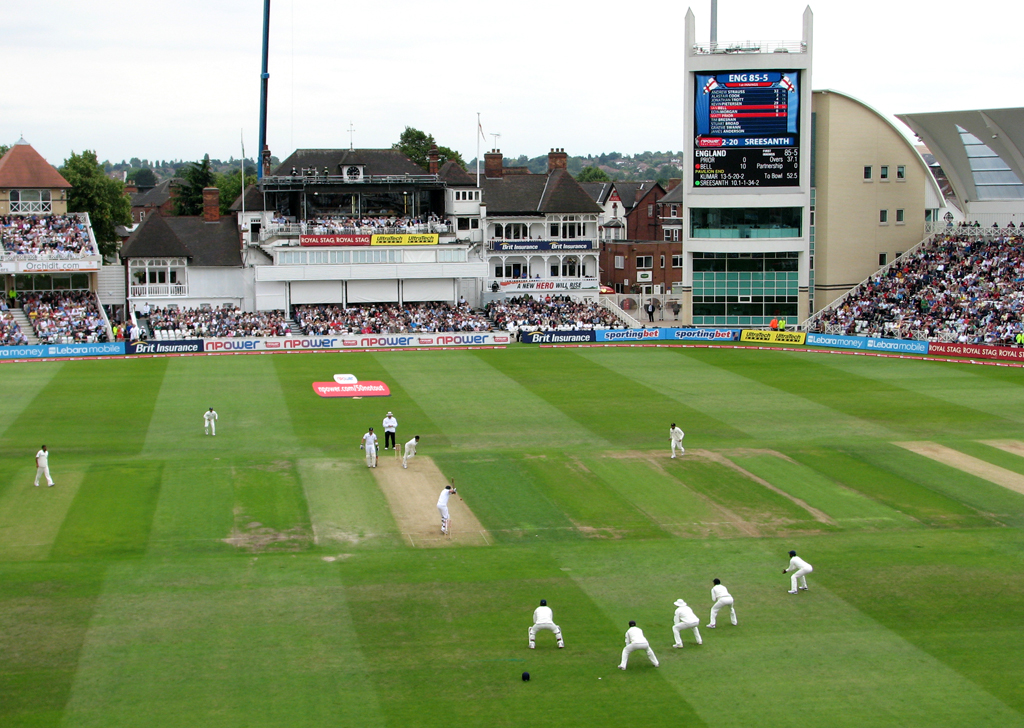

I grew up believing a Test match did not need defending. Five days, changing light, a wearing pitch and a batter leaving six balls outside off stump were self-evidently excellent things. That belief now feels like owning a fountain pen: charming, slightly suspicious and forever requiring an explanation. India’s 2025 series in England offered the strongest possible defence. A young side, stripped of several familiar senior figures, played five Tests of exhausting momentum swings and finished level. The scorecards preserved by ESPNcricinfo’s India Test archive record the runs and wickets, but not the peculiar hold the contest acquired over viewers. My argument is that the BCCI should not misread this affection as an automatic renewable resource. India cannot celebrate Test cricket when it arrives with English summer light and then schedule the home version like an inconvenient warehouse delivery.
A great series is not a business model
The Anderson–Tendulkar Trophy worked because it had narrative space. Five matches allowed form to turn, injuries to matter, young players to recover from failure and captains to reveal their habits. A two-Test series can be enjoyable, but it is often a handshake photographed from two angles. The longer contest created memory. Supporters could argue over declarations, workloads and selections for weeks rather than hours. That is what administrators forget when they discuss “context” as if the World Test Championship table alone supplies it. Context is also familiarity: knowing what happened in the previous Test, recognising the bowler’s plan from two innings earlier and watching a batter alter his method. The ICC’s World Test Championship gives bilateral cricket a useful framework, but a points system cannot compensate for thin series and indifferent presentation.
I am not asking the BCCI to pretend economics disappeared. The IPL finances an ecosystem, limited-overs internationals serve broadcasters, and players cannot be worked until their fast-bowling joints become public property. My complaint is about choices within those constraints. India possesses the richest board, the largest audience and enough venues to treat a Test season as a curated national circuit. Instead, fixtures are sometimes announced late, starting times and ticketing information arrive without fan-friendly urgency, and grounds can look sparsely occupied even when millions care about the result. Television rights revenue has insulated administrators from the basic obligation to make attendance pleasant. Shade, drinking water, clean toilets, transparent ticket releases and functioning public transport are not luxuries. They are how affection becomes habit.
Home pitches need contests, not alibis
The pitch argument attracts dishonest extremes. One camp treats any turn on day one as a crime against civilisation; another treats every crumbling surface as an authentic expression of Indian conditions. I want Indian pitches to turn. Spin is part of our cricketing intelligence, just as seam and swing belong to other environments. But a surface that produces variable behaviour before skill has time to operate cheapens everyone. It makes excellent spinners look interchangeable and good batters look doomed by lottery. Conversely, a lifeless road designed to guarantee five days is not preservation; it is embalming. The ideal home Test rewards a first-innings hundred, gives fast bowlers a morning, brings spinners progressively into play and makes the fourth innings frightening without making the first absurd.
The BCCI should publish more information about preparation and invest in venue-specific expertise rather than allowing pitch debate to become post-match blame theatre. Curators work under pressure from teams, associations and weather. Protecting their professional independence would serve India’s long-term interests. So would preparing domestic cricket on a variety of surfaces. If our batters encounter only extreme spin at home and our seamers bowl merely to remove shine, overseas adaptation remains episodic. The object of home advantage is to test opponents using our strengths, not to conceal our weaknesses from ourselves.
The domestic structure is the real reserve bench
Whenever a young player succeeds overseas, the board’s publicity ecosystem celebrates the depth of Indian cricket. Fair enough; the depth is real. Yet depth is not a natural resource discovered beneath the Wankhede. It is produced by coaches, state associations, age-group tournaments and the Ranji Trophy. Those institutions deserve calendars that do not force players to choose between visibility and red-ball development. A domestic batter compiling difficult runs in January should not be less legible to selectors than a fashionable cameo in April. Selection will always involve judgment, but scheduling can ensure the evidence exists.
I would create protected red-ball windows, improve streaming and score-data quality for every first-class match, and pay domestic specialists enough that declining a marginal franchise opportunity is not financial self-harm. India need not shame players for preferring the IPL; any rational professional values a competition that can transform his family’s life. Administrators designed these incentives. They cannot then deliver sermons about commitment. If Test cricket requires specialist skills, the system must reward the years required to build them.
Workload cannot remain a euphemism
The England series also underlined how much modern Test cricket asks of fast bowlers. Five matches compressed into a tour turn selection into medical triage. Rotation is not betrayal, and supporters must stop reading every rest as a character flaw. But “workload management” cannot remain a phrase deployed after someone breaks down. The board has access to training, travel and match-load data. It should construct tours with adequate recovery, maintain a wider pool of Test-ready quicks and communicate absences honestly without publishing private medical detail. A bowler who misses one match to remain effective for four has served the team better than one encouraged to perform toughness until injury settles the argument.
The counterargument is that international cricket has already yielded calendar territory and that fewer Tests would improve quality. There is truth in it. I would rather watch three properly spaced Tests than five exhausted ones scheduled for inventory. But India should distinguish between weak bilateral matchups created without promotion and major series capable of sustaining length. Not every opponent needs five Tests; the format needs hierarchy. What it cannot survive is randomness, where tradition, sporting merit and commercial convenience produce a calendar nobody can explain.
Sell the thing you claim to value
Test cricket is marketed with sepia photographs and funeral language. That is a mistake. Young supporters do not need to be told they are inheriting a museum. They need access to highlights, good storytelling, recognisable series branding and match timings presented clearly across platforms. The England contest generated clips, arguments and personalities because the cricket was made visible. At home, archival footage can be difficult to find legally while disposable promotional videos appear by the dozen. The BCCI should use its rights leverage to make classic sessions and current highlights accessible. Memory is part of the product.
I also want more Tests taken beyond the same metropolitan rotation, but only where facilities meet a serious standard. Spreading the game cannot mean asking spectators to endure neglect in the name of regional inclusion. Choose venues early, coordinate with local transport, price some stands for students and allow schools to attend safely. A full ground is not merely decorative. Players respond to it, broadcasters sell it, and children remember it. Empty seats behind a gripping passage of play are an administrative failure, not evidence that the format lacks an audience.
The BCCI would reasonably say it already stages Tests, funds domestic cricket and supports the World Test Championship. My reply is that the richest custodian should be judged by more than continued existence. India now possesses enough power to determine whether Test cricket becomes a premium global contest or a ceremonial appendix. The 2025 England series showed the raw material: skill, uncertainty, young stars and an audience prepared to lose sleep. What it did not prove is that the system can rely on nostalgia forever. I am still not over Test cricket because it keeps producing days no shorter format can imitate—days when nothing happens quickly and everything changes. The board’s job is to make those days easy to find, comfortable to attend and important to players. Love is present. Administration must stop taking it for granted.