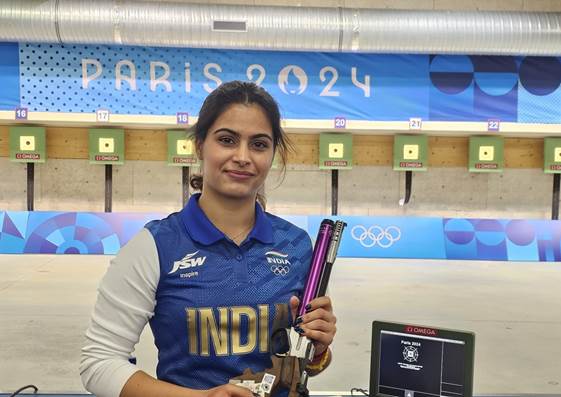
India returned from the Aichi-Nagoya Asian Games with 85 medals and fourth place. The Prime Minister’s felicitation will generate handsome photographs, athletes will describe the honour of meeting him, and sports channels will briefly remember that human movement exists beyond a cricket pitch. I am pleased for everyone involved. I am also wary of the familiar national habit of converting a result into a ceremony before converting it into a system.
The Indian Olympic Association’s summary of the campaign emphasised medals across shooting, athletics, archery, boxing, wrestling, hockey, squash, golf, sailing, rowing, table tennis and weightlifting. That breadth is the important story. India did not depend on one miraculous champion. It assembled competitiveness across sports with very different infrastructure, coaching and financial needs.
Fourth place changes the argument
For years, India’s multi-sport conversation oscillated between embarrassment and fantasy. A disappointing Olympics prompted population comparisons and national self-flagellation. A successful week inspired predictions of imminent superpower status. Fourth place at the Asian Games allows a more mature position. India is no longer a peripheral Asian sporting nation, but it remains some distance from the depth and systems of the continent’s leaders.
The reported medal count included 21 golds, and coverage ahead of the felicitation also noted failures, including badminton’s lack of an individual medal and India returning without a tennis medal. Both sides of that ledger matter. Celebrating breadth should not become an excuse to hide sports that went backwards.
What excites me is that shooting, combat sports and hockey offer credible pathways toward Los Angeles 2028, while less predictable medals reveal new possibilities. What worries me is that success will tempt officials to fund yesterday’s podiums rather than tomorrow’s systems. Medal tables are outcomes of investments made years earlier. Copying the latest winners is like planting after the harvest.
Cricket’s presence sharpens the inequality
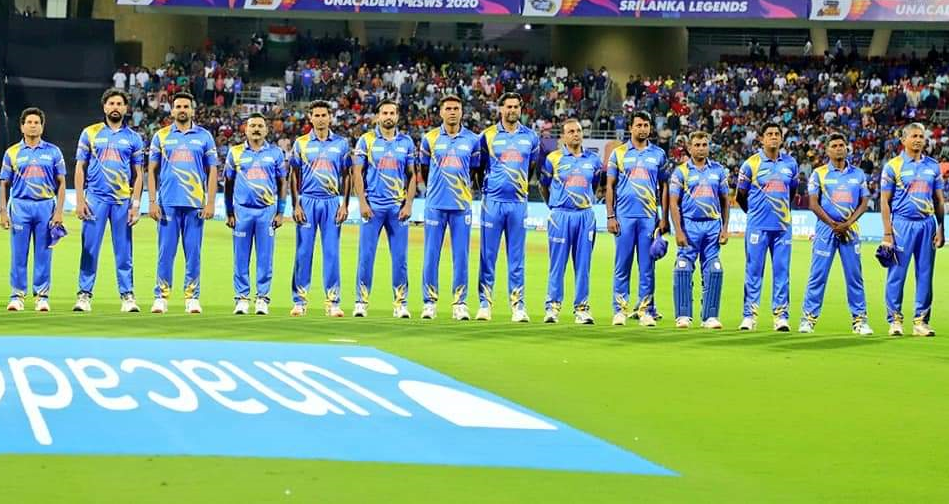
Cricket teams winning Asian Games gold is an achievement. I will not diminish athletes merely because their sport is rich. But placing cricketers and athletes from smaller disciplines in the same ceremony makes India’s sporting inequality impossible to ignore. One group returns to contracts, leagues, endorsements and year-round coverage. Another may return to uncertain employment, federation disputes or training facilities that require personal negotiation.
The answer is not to make cricket poorer. That slogan is lazy and would help nobody. India must make other sports more investable, more watchable and more professionally governed. Cricket demonstrates that audiences can learn tactical complexity when broadcasters and institutions tell stories consistently. Nobody is born understanding field placements or net run rate. We teach those ideas through repetition. We could teach the scoring of archery, the strategy of hockey presses or the tension of weightlifting selections with the same respect.
Media executives say they follow demand. They also manufacture it. A sport shown only during a medal match cannot build recognisable personalities. Viewers encounter an athlete at the emotional peak of a career without seeing the qualifiers, setbacks and domestic rivalries that made the moment meaningful. Then networks point to low familiarity as justification for continued absence. It is an elegantly circular failure.
Funding must follow the calendar
Indian sport has improved through targeted government support, private foundations, corporate sponsorship and military or public-sector employment. Yet athletes still navigate fragmented responsibility. The federation controls one camp, the ministry another scheme, a private sponsor covers equipment and a state government announces rewards after victory. When something fails, every institution can explain that it owned only one part.
I want sport-by-sport performance plans published in understandable form. Who are the priority athletes and emerging prospects? Which international competitions are essential? Where are the coaching and sports-science gaps? What is the injury plan? How are selection disputes resolved? Privacy must be protected, but taxpayers and athletes deserve more than a total budget and a celebratory press release.
Money should also support the layer beneath elite programmes. A champion cannot be endlessly reproduced by giving more resources only to the champion. District coaching, safe facilities for girls, qualified trainers, equipment libraries and reliable domestic competitions are not glamorous. They determine whether a talented child enters and remains in the pathway.
Women’s sport needs ordinary safety
Women contributed substantially to India’s success, as they repeatedly do at multi-sport events. Their stories are often framed as triumph over families, villages and social expectations. I understand why those narratives resonate, but they can become a convenient way to romanticise institutional failure. A woman should not need exceptional defiance merely to access training.
Safe accommodation, women coaches, transparent complaint systems, menstrual-health support and travel security are performance infrastructure. They are not charitable extras. Federations that ignore these basics should not receive praise merely because one extraordinary athlete survived the neglect and won anyway.
Coverage must also move past the predictable questions about sacrifice, marriage and family permission. Ask women athletes about tactics, preparation and competitors. Treating them as sporting experts is a form of respect more valuable than calling each one an inspiration.
Do not mistake hosting for development
India’s larger sporting ambitions include hosting major events. A successful Asian Games campaign will strengthen the political case for those bids. I enjoy a home crowd and understand the infrastructure argument, but hosting can become a seductive substitute for participation. Stadiums photograph better than coaching systems. Opening ceremonies attract powerful people who are rarely seen at a junior championship.
Any bid should be tied to a public legacy plan: community access, maintenance costs, use by domestic leagues and measurable increases in participation. India has enough locked venues and underused complexes. A building that opens for one fortnight and decays behind fencing is not sports development; it is architectural memorabilia.
The same applies to felicitation. Athletes deserve recognition from the head of government. But the meeting should be followed by reviews with coaches and administrators, not just framed pictures. The useful question after congratulations is brutally simple: what prevented the next medal?
Failure deserves analysis, not disappearance
Badminton and tennis should not vanish from discussion because their results complicated the celebration. Federations need honest post-event reviews, ideally involving independent technical voices. Was the issue form, injuries, selection, scheduling, coaching or deeper pipeline weakness? “We will come back stronger” is a sentiment, not an analysis.
Nor should medal-winning sports escape scrutiny. A gold can conceal narrow depth or ageing talent. A federation may succeed despite poor governance because one generation is exceptional. Officials must distinguish sustainable performance from a temporary cluster of champions. The public tends to see a podium; administrators should see the probability distribution underneath it.
The attention test begins now
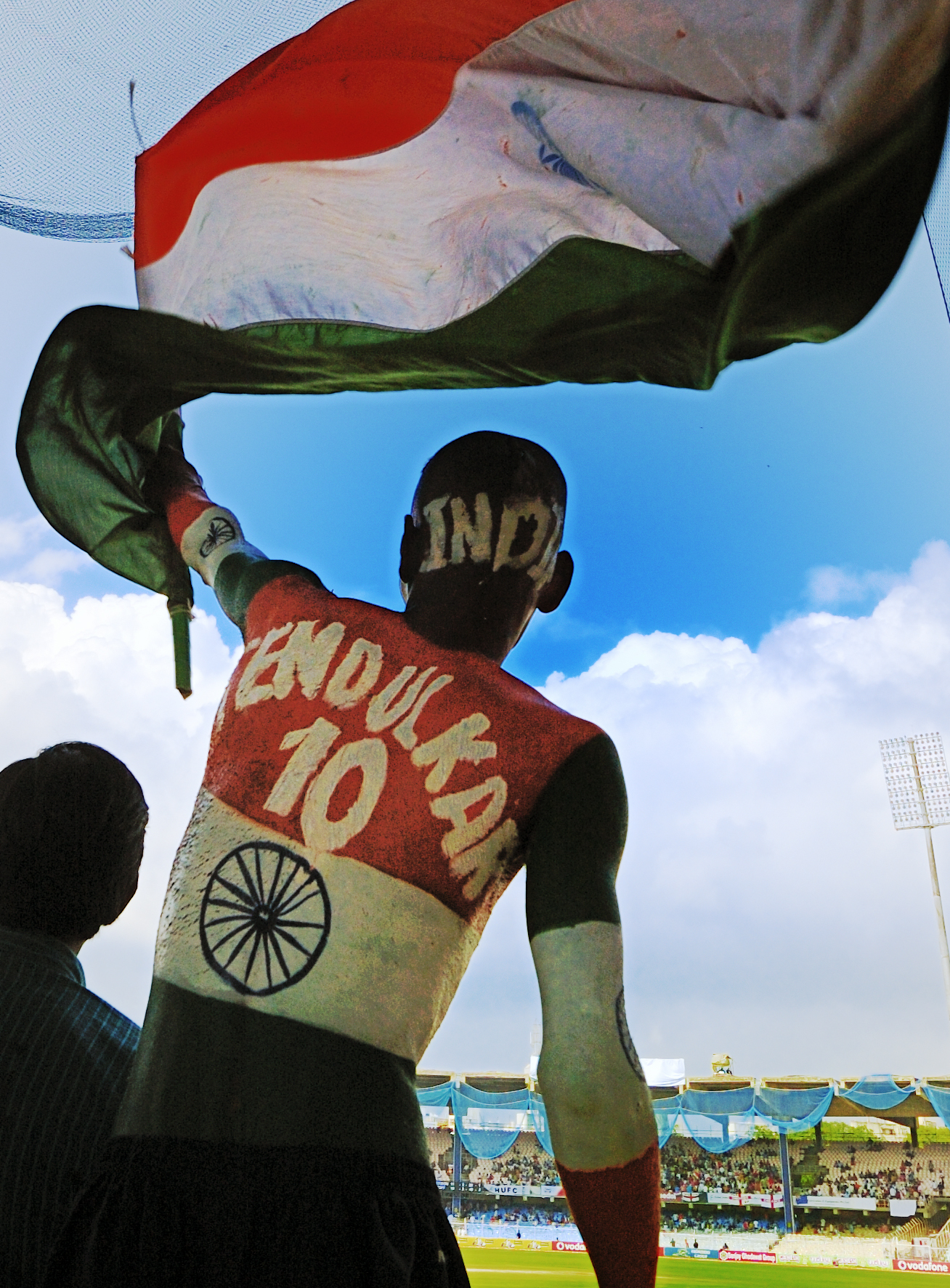
The Asian Games have finished. This is exactly when my beat becomes revealing. Will newspapers cover the next domestic shooting event? Will a boxer’s change of weight category be reported before an Olympic qualifier? Will hockey players become familiar beyond tournament finals? Will sponsors remain after the victory photographs stop circulating?
I do not demand equal airtime for every sport regardless of audience. I demand continuity proportional to national ambition. If India wants to become a serious Olympic nation, it cannot meet Olympic sports once every four years like distant cousins at a wedding.
Eighty-five medals are evidence that patient investment can work. Fourth place is high enough to inspire and low enough to keep us honest. The athletes have done their part by widening India’s map of possibility. Institutions, sponsors and media must now widen the map of attention.
When the Prime Minister tells the contingent that the country is proud, I believe he means it. Pride, however, is the easiest resource in Indian sport. It appears instantly and costs nothing. The harder resources are competent administration, safe facilities, predictable funding and audiences taught to care before the anthem begins. That is the medal table I will be watching next.