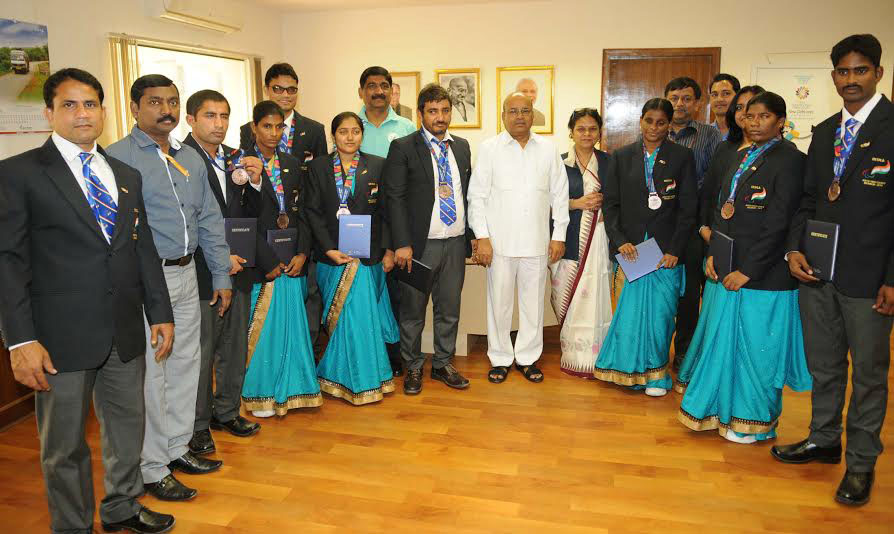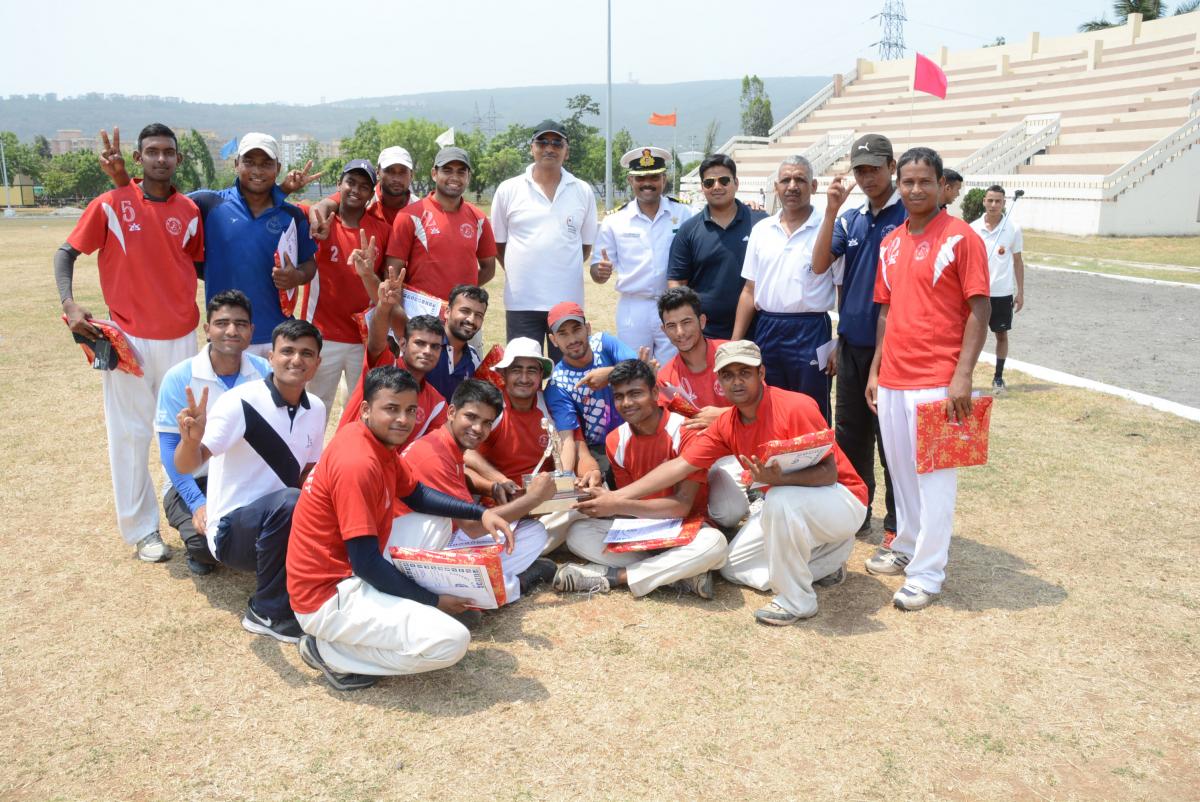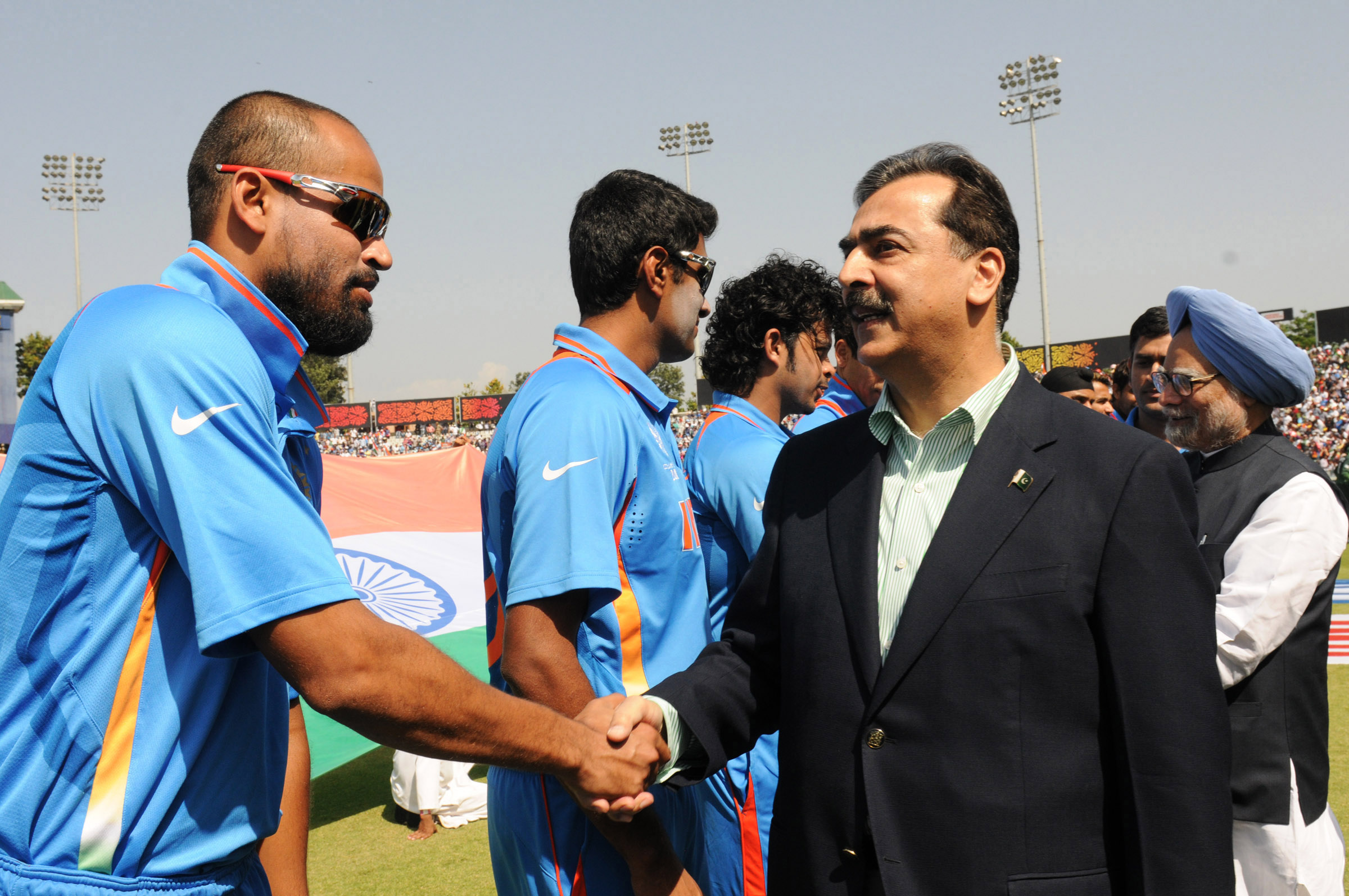
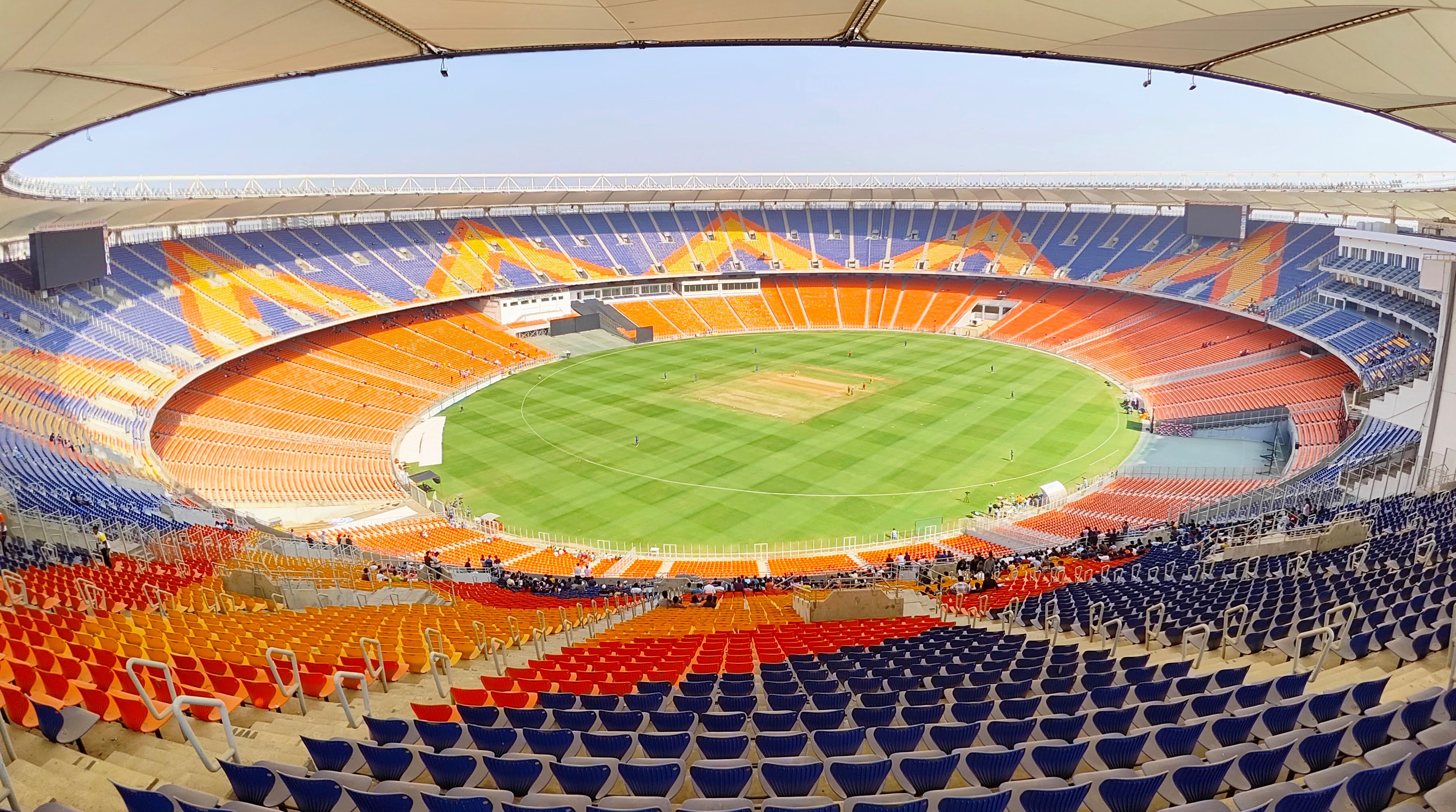
There is a ritual in Indian sport that I have grown to dislike. A shooter, runner, boxer or squash player wins an Asian Games medal. We briefly learn the athlete’s biography, marvel at the sacrifices, circulate photographs of the family home and ask why nobody knew the name earlier. Then cricket resumes, the camera swings back, and collective amnesia returns with the efficiency of a well-rehearsed fielding drill.
The medal-heavy programme in Aichi-Nagoya has again exposed the absurdity. India entered one of its busiest days with opportunities across shooting, athletics, boxing, kurash and other disciplines. A Hindustan Times schedule featured established names and athletes unfamiliar to casual viewers. The unfamiliarity is not their failure. It is the outcome of a sports culture that asks everyone outside cricket to arrive already victorious before granting them attention.
I am not arguing against cricket. I enjoy it, and athletes do not gain anything when journalists manufacture resentment between sports. I am arguing against the lazy economics of visibility. Cricket receives year-round storytelling: domestic selection debates, fitness updates, tactical previews and franchise gossip. A track athlete often receives one paragraph after reaching a final and a long profile only after winning. We cannot build sporting attachment from podium ceremonies alone.
A medal is the end of a story, not the beginning
Harita Bhadra’s women’s 200m bronze ended an eight-year Indian wait for a podium in the event. Her life beyond the timing sheet is just as memorable: she studied sports science and runs a handmade jewellery business. It is the kind of detail that makes an athlete memorable, but I wish we had encountered it before the medal.
Think about what we ask of non-cricket athletes. They must navigate selection, federation politics, coaching changes, injuries, travel and uncertain income. They often compete in disciplines that television barely explains. Then, on the biggest day, we expect them to carry national expectation with the composure of a celebrity accustomed to scrutiny. If they finish fourth, the country that ignored their qualifying season suddenly becomes an expert in choking.
The phrase “medal prospect” is part of the problem. It reduces a human being to a forecast. We learn Manu Bhaker or Lovlina Borgohain because they have already crossed the recognition threshold, but dozens around them remain conditional citizens of the sports page. Their worth is activated by metal. Cricket allows us to care about process; other sports are judged almost entirely by outcome.
I would like broadcasters to spend less time creating sentimental montages after victory and more time teaching audiences beforehand. Explain kurash. Show how a squash draw works. Tell us what constitutes a strong qualifying mark in athletics. Follow a national camp for a week. Familiarity does not magically appear because the flag is raised; it is produced through repetition and context.
The cricket comparison is about structure
Cricket’s dominance is not an accident or a moral failing. The BCCI built a commercially powerful product, India has a deep cricket tradition, and viewers choose what they enjoy. But once cricket’s ecosystem became wealthy enough to support specialised coaching, domestic contracts, data analysis and a vast media circuit, it established a standard against which the fragility of other sports became impossible to ignore.
The relevant lesson is not “take money from cricketers.” It is “build dependable calendars and institutions.” An athlete cannot plan a career around occasional national excitement. Federations need transparent selections, competitions need reliable dates, and public funding must arrive early enough to pay for preparation rather than reimburse it months later. International platforms can help sustain reporting across disciplines, but they cannot substitute for a domestic sporting conversation.
Corporate sponsorship also follows recognition, creating a neat trap. Brands say non-cricket athletes lack visibility; media organisations say audience interest is limited; audiences say they do not know the athletes. Everyone describes the circle as though nobody drew it. A medal temporarily breaks the loop, but only for the winner. The fourth-place finisher returns to near-invisibility despite often being one performance away from the same endorsement deals.
There is a counterargument worth taking seriously: broadcasters cannot force viewers to watch a sport. True. But they constantly cultivate interest in cricket through promotion, personality and narrative. The same craft can work elsewhere. The Pro Kabaddi League demonstrated that viewers can learn unfamiliar tactical language when the presentation is energetic and consistent. Badminton, chess and javelin have produced recognisable Indian stars because success met repeated storytelling. Taste is real, but taste is also trained.
Stop confusing patriotism with support
During multi-sport events, Indian audiences become intensely patriotic. Medal tables are refreshed, flags fill timelines and every defeat attracts diagnosis. I find some of this moving. I also find it convenient. Posting a tricolour beside an athlete’s photograph costs nothing; following the athlete’s season, attending domestic competition or subscribing to coverage requires habit.
Patriotism can even distort our understanding of performance. A silver medal is described as a “gold missed.” A bronze becomes redemption. An athlete’s personal best disappears if it does not produce a podium. This is a dreadful way to understand elite sport, where fractions and draws matter and the opponent has trained too. The obsession with national ranking turns athletes into units in a geopolitical spreadsheet.
India’s medal tally matters because it reflects breadth and investment, but medals should lead us toward the systems beneath them. Which states produce athletes in a particular discipline? Are school facilities usable? Can women train safely after dark? Do coaches have modern certification? Is sports science available outside a few national centres? These questions are less thrilling than a live final, yet they determine the next decade of finals.
I also want sports journalism to retire the poverty template as its default route into a non-cricket athlete’s life. Hardship is relevant when it shapes opportunity, but relentless emphasis on deprivation turns achievement into a morality tale for comfortable readers. Athletes are tacticians, competitors and craftspeople. Ask them about race execution, technical adjustments and the opponent they studied. Dignity includes being treated as an expert in one’s profession.
What happens after Nagoya
The most useful response to these Games would be a public, discipline-by-discipline review that is neither celebratory propaganda nor a hunt for scapegoats. Sports authorities should compare targets with results, identify preparation gaps and publish the next competitive calendar. Athletes who did not medal should not vanish from funding consideration merely because a younger prospect has become fashionable.
Schools and universities must matter more. India cannot depend entirely on families discovering talent and then financing it through personal sacrifice. College sport in particular remains an underused bridge between junior promise and elite competition. Scholarships, qualified coaches and credible inter-university leagues could keep thousands of athletes in sport through the years when income pressure usually pushes them out.
Broadcasters can do something simpler immediately: reserve regular slots for Indian competitions beyond cricket, package highlights well, and put knowledgeable commentators on air. Do not present a national championship as charity programming. Rivalries, selection stakes and technical excellence are inherently dramatic when someone bothers to explain them.
Fans have a role, too, though I dislike sermons telling people what they must enjoy. Start with curiosity. Read the athlete profile before the Olympics. Watch one national final. Learn why a particular result matters. Support does not require pretending every discipline is equally entertaining to you. It requires granting athletes an existence between mega-events.
When the Asian Games close, cricket will again dominate Indian sport. That is reality. But dominance need not mean monopoly, and admiration need not be rationed. The Indian contingent in Nagoya is not a supporting cast waiting for a cricketer’s cameo. These athletes are producing the country’s most varied sporting story—one sprint, bout, lift, shot and exhausted finish at a time. They deserve an audience before the medal, and they deserve memory after it.