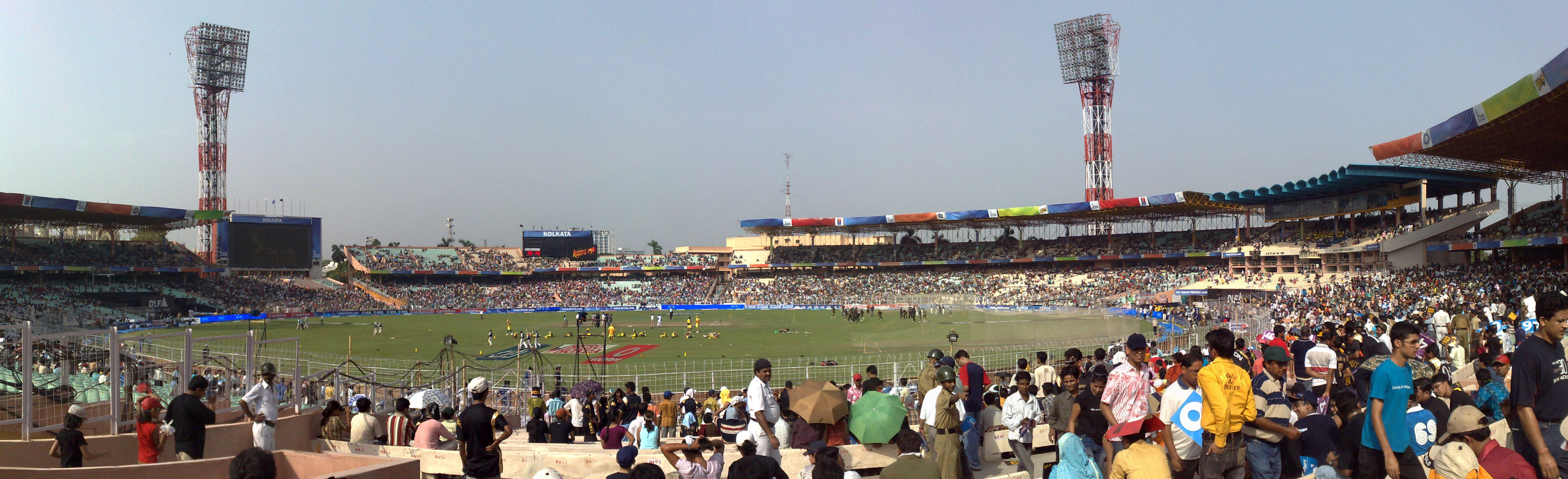
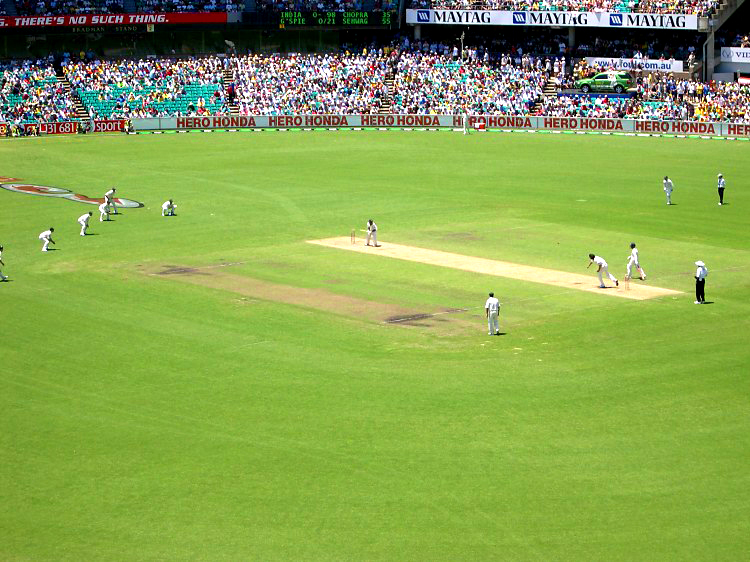
I enjoyed India’s one-day series in New Zealand. I enjoyed the changing tempo, the white ball moving under cloud and the rare pleasure of watching an Indian broadcast from a ground that did not resemble an illuminated shopping mall. Enjoyment, however, should not be confused with reassurance. Every attractive limited-overs contest now arrives wrapped in the same uncomfortable fact: Indian cricket has built a machine so profitable and busy that Test cricket survives inside it largely on inherited affection.
The current fixture list, including the November series recorded in the ESPNcricinfo series coverage, shows how easily another bilateral white-ball engagement finds space. Meanwhile the BCCI’s own domestic fixtures reveal the crowded ecosystem from which red-ball players are supposed to emerge. I am not arguing that ODIs should disappear. I am arguing that administrators cannot call Tests the pinnacle while arranging the calendar as though the pinnacle may be visited on alternate weekends.
Scarcity is not always prestige
The fashionable defence says fewer Tests will make each match special. This is marketing logic dressed as stewardship. Scarcity creates prestige only when the scarce thing is protected, understood and made accessible. If children rarely see India play a five-match series, if domestic red-ball games are hidden during working hours and if leading players can treat the Ranji Trophy as remedial homework, scarcity produces unfamiliarity. A language spoken only at ceremonies does not become precious. It becomes dead.
India’s Test culture was not created by administrators announcing their love for it. It grew through repetition: radio afternoons, newspaper scorecards, school discussions about technique, and players earning reputations across long domestic seasons. I grew up learning that leaving the ball was an action rather than an absence of action. That understanding takes time. T20 can introduce a child to cricket in three hours; only sustained exposure teaches why a batter resisting for a session can alter a match.
The BCCI faces genuine constraints. The IPL funds the wider system. Broadcasters pay for formats that deliver predictable evening audiences. Players require rest, and international calendars collide with franchise leagues. Pretending these pressures do not exist would be sentimental nonsense. Yet the richest cricket board is precisely the institution with enough leverage and money to protect a format whose market alone will not protect it. Wealth is useful when it allows choices beyond immediate revenue.
I do not accept that player fatigue makes Test contraction inevitable while bilateral limited-overs series multiply. Fatigue is partly a scheduling choice. India could play fewer interchangeable three-match white-ball series, preserve substantial Test windows and compensate domestic players well enough that red-ball specialisation remains a career. Instead, the calendar often treats every format as compulsory and then presents congestion as a natural disaster.
The domestic bridge is cracking
Test cricket depends on a domestic competition that asks similar questions. Can a batter construct an innings after the pitch slows? Can a fast bowler return for a fourth spell? Can a spinner create dismissals without a defensive field and a required run rate doing the work? These are not romantic curiosities. They are skills. When India’s top players rarely appear in first-class cricket, younger teammates lose the education that comes from sharing a dressing room with them.
The answer is not forcing exhausted internationals into every Ranji game through public shaming. It is designing protected windows, limiting needless travel and making participation feasible. Selection policy should be clear: players seeking a Test return should demonstrate red-ball readiness when fit, but established multi-format players need planned rest. Administrators currently oscillate between indulgence and sudden moral lectures. Players deserve rules, not mood swings.
Pitches matter too. A domestic match ending quickly is not automatically exciting, just as a five-day draw is not automatically noble. India needs surfaces that reward new-ball skill, patient batting and later spin. Extreme turn from the first hour produces results but narrows development. Flat roads inflate averages while exhausting bowlers. Curators need institutional backing to prepare balanced surfaces rather than fearing that a home captain will complain because the toss did not confer a kingdom.
Broadcast access is the neglected link. The board can stream more domestic cricket with proper score graphics, commentary and reliable archives. Do not tell me there is no audience before making the product difficult to find and unpleasant to watch. Indian fans follow age-group tournaments, auctions and practice clips when access is easy. A modest but loyal Ranji audience has commercial value, and an archive has cultural value beyond this quarter’s advertising rate.
ODIs have their own problem
The one-day format now occupies an awkward middle. It retains enough tactical depth for me to care, but its bilateral context is often thin. World Cups make every over feel consequential; isolated series can feel like content produced to satisfy a contract. New Zealand’s grounds and conditions create texture, yet the result rarely changes a larger story. Administrators must connect bilateral ODIs to qualification, rankings or coherent seasonal narratives rather than assuming national colours automatically generate meaning.
Players still reveal dimensions in fifty-over cricket that T20 conceals. A batter must decide when to absorb pressure and when to accelerate across several phases. A bowler returns with an older ball and altered field. Captains cannot outsource every decision to match-ups because the contest lasts long enough for plans to fail. That is why I resist the lazy declaration that ODIs are obsolete. They are under-contextualised, not inherently empty.
But saving ODIs cannot come from cannibalising Tests. Cricket’s administrators have behaved as if the solution to every threatened format is another tournament, another graphic and another block in the calendar. What the game needs is hierarchy. The IPL should have a defined window. Test series should have protected blocks and sufficient length. ODIs should build toward meaningful competitions. T20 internationals should be used selectively, particularly when franchise cricket already supplies vast quantities of the format.
India has the power to insist on that architecture. Smaller boards depend on Indian tours, and global administrators listen when the BCCI speaks with financial intent. With power comes responsibility that extends beyond India’s immediate advantage. If Test cricket contracts to a contest among three wealthy countries, India may retain excellent matches for a while but lose the global ecology that gives them variety. A sport cannot be international merely because its franchises employ foreign players.
The inheritance can run out
Current administrators benefit from generations of fans trained to regard Test performance as the ultimate measure. That is why a great innings overseas still carries a weight no league cameo can reproduce. But inherited prestige is exhaustible. If young viewers encounter Tests as occasional daytime events with weak promotion, their hierarchy will differ. They will not be morally wrong. They will simply value what cricket’s institutions repeatedly showed them mattered.
I want the BCCI to publish a ten-year Test commitment: minimum home and away matches, protected windows, longer marquee series, domestic participation principles and a serious broadcast plan for first-class cricket. Such a document would make it harder for short-term negotiations to erode the format quietly. The board publishes impressive revenue and infrastructure announcements. Cultural stewardship deserves targets too.
Players should also speak with greater candour. Many say Test cricket is their favourite format, then allow scheduling decisions to proceed as if preference were private decoration. Senior cricketers possess leverage. They can ask for proper preparation matches, longer series and rational workloads. Their unions and associations should treat format protection as a labour issue because a diverse cricket economy creates more kinds of careers.
I enjoyed the New Zealand ODIs because cricket remains capable of delight in almost any shape. That is exactly why vigilance is necessary. The product does not collapse dramatically; it thins. A five-Test series becomes three, a warm-up disappears, a Ranji round passes unseen, and everyone promises the format remains cherished. By the time the inheritance is visibly depleted, the people who spent it will have retired.
I am not asking the BCCI to choose nostalgia over money. I am asking it to use money intelligently enough that cricket retains memory, technique and consequence. India’s dominance gives it the rare ability to protect all three international formats. If it chooses only what sells most easily this season, that will not be market inevitability. It will be a failure of imagination by the one board rich enough to imagine more.