I enjoyed India’s T20 triumph as much as anyone who has spent a final pacing between the television and the kitchen for no culinary reason. Celebration is not betrayal of Test cricket. What bothers me is what happens after the confetti is swept away. The shortest format does not merely occupy the largest stage; it increasingly sets the economic grammar of Indian cricket. Franchise performance creates celebrity, auction value and national selection momentum. Test cricket receives reverent speeches, heritage montages and the occasional incentive announcement, but reverence is not a system. The BCCI’s international fixtures page shows the crowded multi-format life expected of elite players. My argument is simple: if the board genuinely wants Test cricket to survive as India’s highest form, it must organise contracts, domestic scheduling, pitches and public access around that claim.
Prestige without priority is decoration
Administrators know the correct ceremonial language. Tests are “ultimate,” the cap is “sacred,” and a hard-fought overseas series supposedly reveals character in a way nothing else can. I agree with all of that, which is why I find the gap between language and incentives so irritating. A young batter can spend days surviving a difficult Ranji pitch before a few hundred spectators and emerge with modest recognition. A twenty-ball franchise cameo can transform his commercial life. That is not the player’s moral failure. It is the market the BCCI helped create. The IPL is a magnificent competition and an extraordinary Indian sporting achievement. Pretending its gravitational force has no consequences for red-ball development is childish.
Test skill is slow skill. Leaving outside off stump, bowling a fifth spell, changing a field over an hour and building an innings after early movement are learned through repetition. They cannot be downloaded during a pre-series camp. Domestic first-class cricket therefore needs protected windows, predictable travel standards, good practice facilities and meaningful compensation. The BCCI has increased match fees and introduced incentives, useful steps that deserve acknowledgment. Yet money alone does not create status. Selection must visibly reward sustained first-class excellence, and leading players should appear in domestic matches when international commitments and fitness allow. If stars treat the Ranji Trophy as remedial school, younger players will understand the hierarchy perfectly.
The scoreboard hides the pipeline
India’s depth is so great that it conceals institutional weaknesses. One player is injured and another with an excellent record appears. That abundance tempts us to assume the machine runs automatically. It does not. State associations differ enormously in coaching, pitch preparation, selection culture and administrative competence. Some produce international cricketers with assembly-line regularity; others waste talent behind opaque choices. The BCCI publishes results and tournament information through its domestic cricket portal, but fans need far greater visibility into the first-class ecosystem. Matches should be easier to stream, scorecards richer, venues announced reliably and scheduling designed for sporting quality rather than merely completing a competition.
I also worry about pitches. There is a lazy binary in Indian cricket: either prepare a flat road that teaches bowlers despair, or produce a surface that turns violently before lunch and call it culturally authentic. Neither reliably builds Test players. India needs pitches offering something to seamers early, rewarding pace and bounce, allowing batters to construct innings, and bringing spin into the match through skill and wear. Variety across regions is healthy; lottery cricket is not. The board should grade surfaces transparently and support curators rather than summoning them only when a television match becomes embarrassing. Home advantage is legitimate. A pitch on which technique becomes largely irrelevant is not clever home advantage; it is development vandalism.
Workload cannot mean Tests always yield
The modern player faces a genuine physical burden. Fast bowlers cannot be used as patriotic machinery, and mental fatigue is not weakness. Rotation is sensible. What I reject is a workload conversation in which Test matches are treated as the flexible item while lucrative short-format commitments appear fixed by nature. Central contracts should make availability expectations explicit. Medical decisions must remain independent, but format choices have consequences. A player is entitled to specialise; the board is entitled to reserve its richest all-format rewards for those who commit to all formats. Honesty would be healthier than the current ritual in which everyone professes unlimited love for Tests while quietly designing careers around everything else.
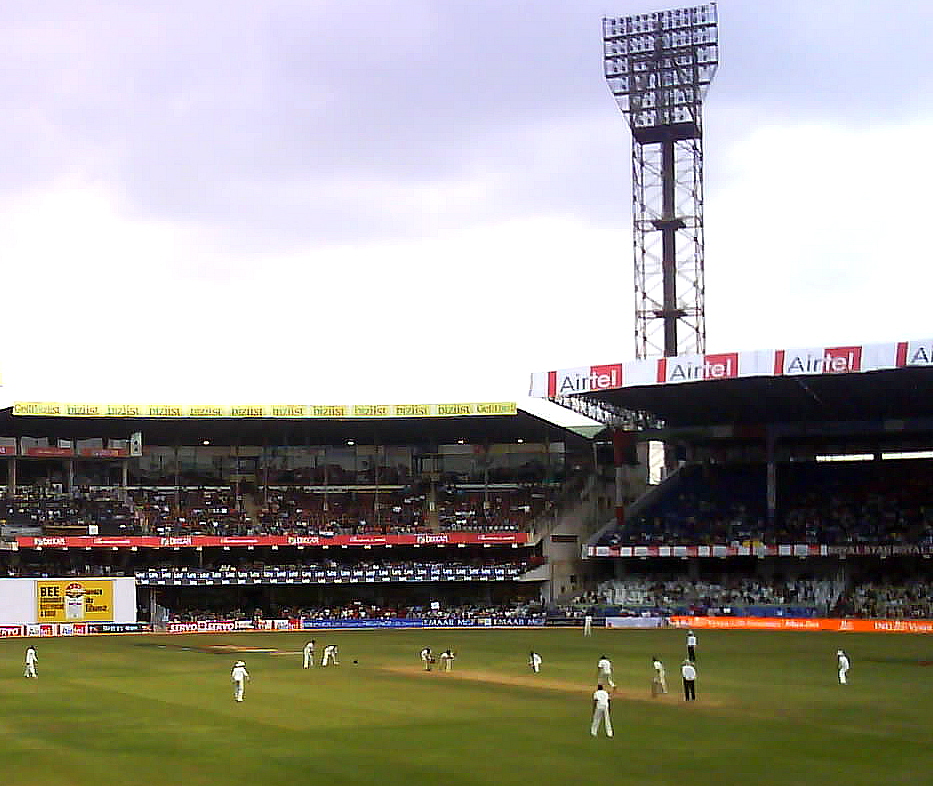
The counterargument is commercial reality. T20 pays for the wider system, brings new fans, funds domestic cricket and fits modern viewing habits. All true. I am not asking the BCCI to sabotage its most successful product. I am asking it to use that success as a cross-subsidy for cricket that the market alone may undervalue. Museums preserve dead things; institutions preserve living practices by giving people reasons to continue them. Better Test marketing, affordable tickets, shaded stands, functioning water points, announced venues and sensible start times are not romantic luxuries. They are the minimum conditions for asking spectators to spend a day at the ground.
A format must be encountered to be loved
My affection for Tests began through exposure: radio commentary, newspaper scorecards and long afternoons in which a session acquired shape slowly. Younger fans are not deficient because their attention has been trained by highlights and alerts. Give them narratives worth following and access that does not require detective work. Explain fields and spells without patronising them. Stream domestic matches with competent commentary. Put school groups in underused stands. Let supporters know months ahead where a Test will be played so travel is possible. The BCCI excels at monetising scarcity; it should learn to cultivate attachment.
India’s T20 victories should strengthen, not overshadow, this work. White-ball excellence proves the country’s coaching depth, athleticism and tactical intelligence. Those strengths can feed Test cricket if the pathway remains open in both directions. A bowler discovered in a franchise league may become a Test weapon, but only if he is given overs, patience and technical support. A first-class specialist should not have to reinvent himself as a slogger merely to become visible. Selection panels must communicate that different forms of excellence remain valuable.
I still believe a gripping fifth day can hold India in a way no other sport does. Belief, however, is not policy. The BCCI is the most powerful cricket board in the world; it cannot present itself as a helpless passenger of global trends. It built a commercial giant because it aligned money, media and aspiration. It can protect Test cricket through the same deliberate design. Celebrate every six and every trophy. Then publish a calendar that respects red-ball preparation, pay domestic professionals properly, insist on credible pitches and make grounds hospitable. Otherwise our annual declarations of love will become what retired cricketers’ speeches often are: sincere, moving and far too late.