
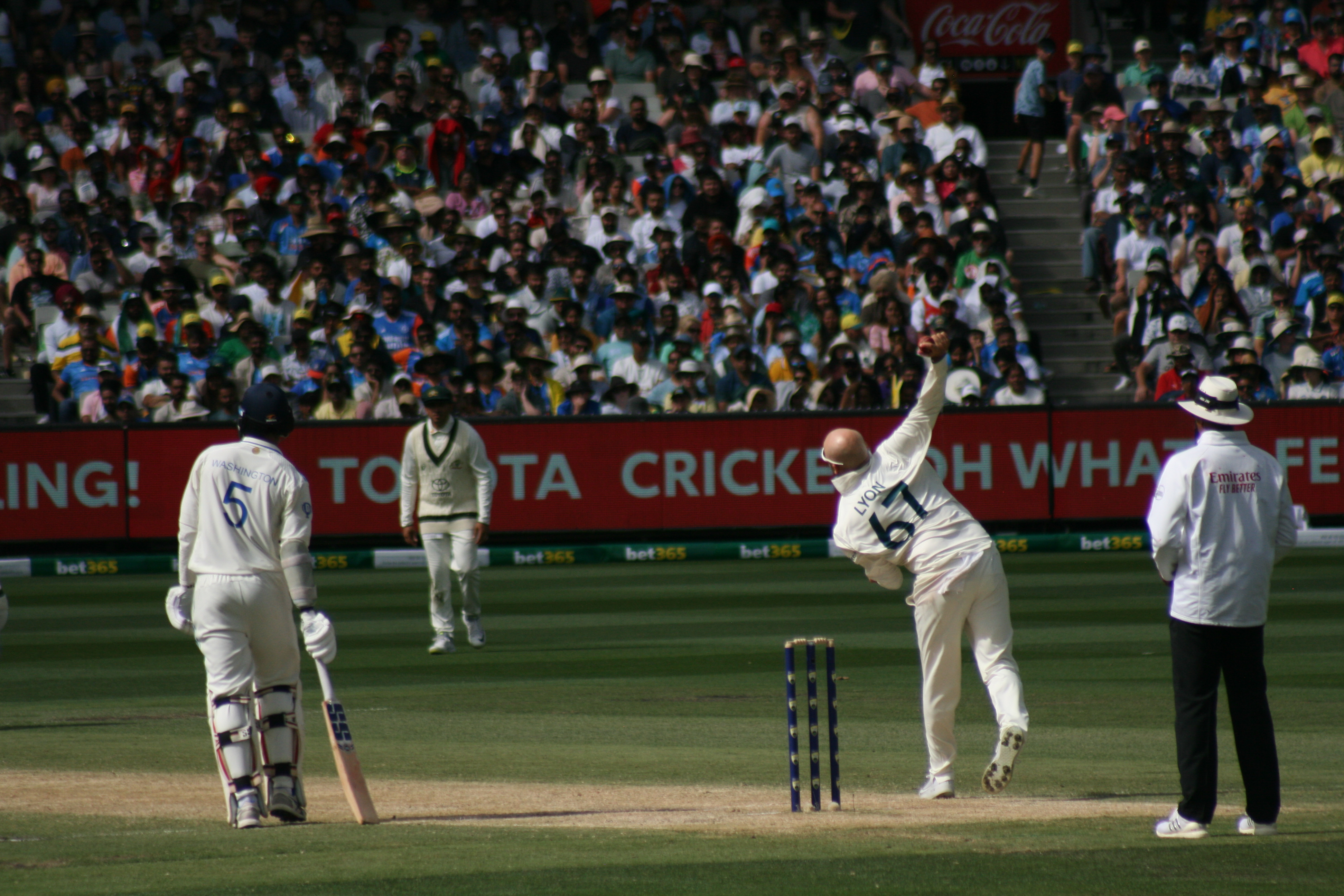
I grew up measuring summers by Test matches, which is a sentimental confession but not, I hope, a sentimental argument. Test cricket does not deserve survival because older supporters enjoyed radio commentary and cracked scorebooks. It deserves survival because it is the only form that tests a side’s technique, imagination, physical endurance and capacity to recover across five days. The problem is that the people entrusted with Indian cricket increasingly speak about that value as though praise were a substitute for scheduling.
The Board of Control for Cricket in India is the most powerful institution in the sport. It can make a bilateral series commercially viable, protect windows, fund first-class cricket and give younger players a reason to treat the long game as a career rather than an apprenticeship they abandon for franchise work. Yet India’s calendar repeatedly tells us what the speeches will not: Tests are special occasions to be fitted around the machinery, while T20 is the machinery.
I do not blame players for following incentives. I blame administrators for designing incentives and then lamenting the result. If the BCCI wants to be credited as guardian of Test cricket, it must behave like one when the calendar is drafted, not merely when a full stadium makes a handsome photograph.
Count the days, not the declarations
The BCCI’s official fixture list is the useful antidote to rhetoric. It shows the allocation of days across formats and the narrow corridors left by franchise leagues, global tournaments and bilateral limited-overs series. Every board faces congestion, but India has more power than most to resist it. When the strongest board treats a five-Test series as an exception requiring heroic accommodation, smaller boards receive the message.
The defence is familiar: audiences prefer shorter cricket, broadcasters pay for it, and the IPL finances the ecosystem. All true. I enjoy the IPL, too. Its tactical evolution has improved players, and its money has widened the professional base. The argument is not IPL versus virtue. It is whether the richest cricket economy can spare enough space to keep the sport’s most demanding form coherent.
A Test championship built from unequal schedules and tiny series is a league in name more than rhythm. Two-match contests often end just as tactics develop. A touring side can lose the first Test while acclimatising and face elimination in the second. Three Tests should be the ordinary minimum for serious opponents; four or five should define the marquee contests. Instead, administrators have trained us to treat two Tests as generosity.
The International Cricket Council’s World Test Championship hub gives the format a table and a final, which is preferable to disconnected bilateral nostalgia. But structure without schedule is thin. Teams play different opponents in different numbers of matches. Percentage points create competitive tension, yet they cannot conceal the absence of a full, balanced league. India should use its influence to improve the championship rather than accept an arrangement convenient for calendars.
Domestic cricket cannot be a waiting room
The BCCI has recently pushed contracted players to appear in domestic cricket when not on national duty. I support that. The Ranji Trophy gains quality and attention when India players return, and no batter should assume that net sessions are a complete replacement for long innings against a red ball. But compulsion alone misses the broader incentive problem.
A young cricketer sees the rewards clearly. T20 excellence can bring rapid financial security and global work. First-class excellence may bring modest crowds, difficult travel and an uncertain route to a Test side that plays a limited number of matches. It would be irrational to scold him for noticing. Administrators must make the long route valuable: better contracts, high-quality pitches, sensible travel, strong medical support, broadcast access and a selection system that visibly rewards Ranji performance.
I am not asking for every domestic match to resemble an IPL production. I am asking for scorecards that work, cameras that allow supporters to follow decisive rounds, and scheduling that does not turn elite players into occasional tourists in their own state teams. The Ranji Trophy is often invoked as proof of Indian depth while being marketed like a family secret.
Pitches matter as much as pay. If matches end too quickly on surfaces designed for exaggerated assistance, statistics become deceptive and batters stop learning how to construct innings. If flat pitches remove bowlers from the match, endurance becomes empty labour. The BCCI has the resources to improve curatorial training and monitor venues over seasons. It should publish meaningful pitch assessments rather than react only when a spectacularly short match becomes embarrassing.
The player is not an infinite resource
Modern cricketers are asked to move between formats, continents and tactical languages with barely a pause. One week a fast bowler is delivering four overs with boundary protection; the next he is expected to sustain spells, set up batters and recover overnight for another day. Workload is discussed constantly, but the calendar that creates it is treated as weather.
Rotation is necessary, yet it has a cost for Test identity. Supporters invest in contests partly because the best players meet repeatedly and rivalries accumulate memory. If every series features an experimental attack because the first-choice bowlers must be preserved for the next priority, administrators cannot demand emotional loyalty from the audience. Scarcity can make Tests special; incoherence merely makes them optional.
The BCCI should establish protected red-ball blocks for the national side and domestic competition. During those periods, players in the Test frame should know exactly what matters. It should also be candid about rests. “Workload management” has become a foggy phrase that invites speculation. Explain whether a player is injured, recovering or strategically rested, while respecting medical privacy. Adults can understand that fast bowlers are not machinery.
A central Test fund, supported by the richer boards and ICC revenues, could help opponents who lose money hosting long-form matches. India has little incentive to watch Test cricket wither outside three or four countries. A format cannot remain genuinely international if half its members cannot afford to stage it. Leadership would mean contributing money and accepting scheduling compromises, not merely hosting profitable series at home.
What supporters should demand
I want Indian fans to stop accepting ceremonial affection as policy. When an official calls Tests the “ultimate format,” ask how many have been scheduled over the next cycle. When a player is told to prioritise domestic cricket, ask whether his first-class competition has been given an uncontested window. When the World Test Championship is praised, ask why its league remains so uneven.
There is a counterargument that cricket has always evolved and that my preference is simply generational. Fair. Nobody owes my childhood permanence. But evolution is not the same as allowing the most commercially powerful format to crowd out every other form. Cricket’s strength has been its plurality: five-day examination, one-day narrative and T20 compression demand related but distinct skills. Reduce the game to a single commercial template and it becomes poorer even if the revenues rise.
I also reject the fatalism that young audiences cannot love Tests. They will not love what they cannot encounter. India’s dramatic wins overseas, fourth-innings chases and long bowling spells still command enormous attention. The format’s problem is not an absence of human drama; it is irregular availability and presentation. Give a series context, stable teams, accessible coverage and sensible timings, and people discover that tension does not require a boundary every minute.
The BCCI has done much that deserves credit: a deep domestic structure, strong player payments by historical standards, a transformative women’s league and an Indian team expected to compete everywhere. Precisely because it is capable and wealthy, “the market made us do it” is an insufficient excuse.
I am not asking the board to choose Test cricket over the IPL. I am asking it to use the IPL’s prosperity to guarantee that Test cricket remains more than a luxury brand displayed between franchise seasons. Calendars are moral documents in sport: they reveal what administrators are willing to protect. I will believe their love for Tests when I can see it in ink.