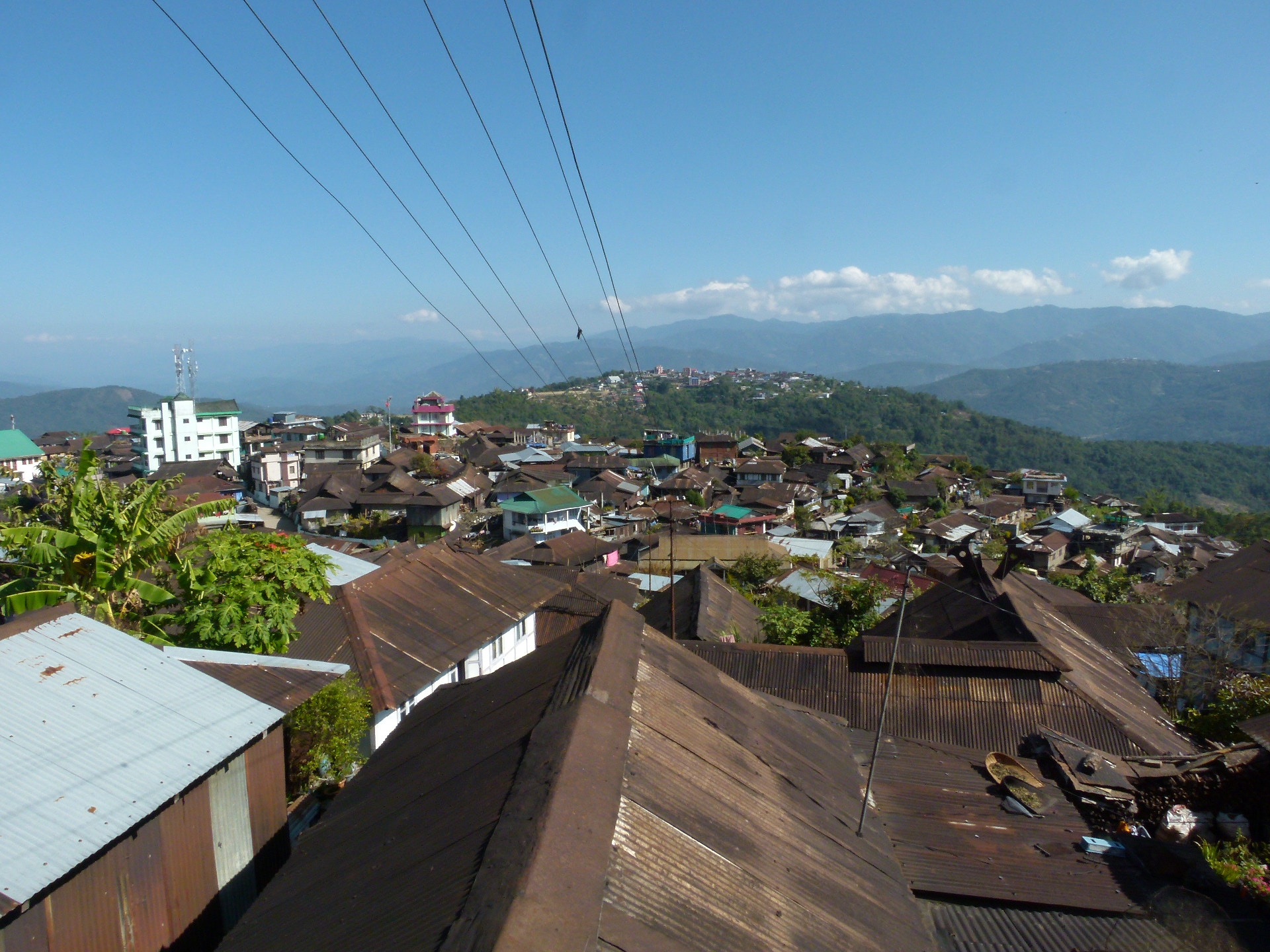

Komic, the high-altitude village in Himachal Pradesh’s Spiti region, has acquired the sort of internet fame that begins with awe and ends with a queue for tea. Visitors arrive carrying oxygen anxiety, drones and the belief that a signboard confirming altitude is a supporting actor in their personal film. The village becomes “remote” content delivered by road, mobile camera and algorithm. Its residents, inconveniently, continue living there after the reel ends.
An NDTV report from Komic describes the settlement at roughly 4,587 metres and the physical challenge of thinner air. The Himachal tourism department’s Spiti Valley guidance situates such villages within a fragile cold-desert landscape. Both facts should inspire humility. Online tourism converts them into a challenge: reach the sign, gasp attractively, order noodles.
Altitude is geography, not entertainment
High altitude deserves respect because the body does not negotiate with enthusiasm. Travellers who ascend too quickly can develop serious illness. Headache, nausea and breathlessness are not proof that a trip is becoming authentic. Acclimatisation, hydration and willingness to descend matter more than completing an itinerary. Yet social media rewards compressed travel: more locations, fewer days, maximum evidence.
The pressure falls partly on local hosts, drivers and health workers. A visitor’s poor planning becomes someone else’s emergency. Remote medical capacity is limited, weather changes quickly and evacuation is not a ride-hailing option. Tourism promotion should state these constraints prominently instead of placing caution beneath photographs of blue skies.
Komic’s altitude also shapes ordinary life: agriculture, heating, water, school access, transport and winter isolation. Visitors encounter the dramatic surface but rarely the maintenance beneath it. A hot drink requires fuel and water brought through a demanding environment. Waste does not vanish because the landscape is large. Mobile connectivity, where available, does not abolish distance.
I am not arguing that tourists should stay away. Tourism provides income and can support homestays, transport and local enterprise. I am arguing against the conceit that arrival confers ownership. A village is not obliged to reorganise itself around strangers seeking a pristine experience with reliable Wi-Fi.
The “untouched” label is particularly destructive
Travel writing adores the word “untouched”. It usually means a place has not yet been arranged for the writer’s convenience, while ignoring the generations of people who very much touched, cultivated and understood it. Once the label spreads, visitors arrive to witness purity, then demand roads, toilets, cafés and charging sockets. They complain when development changes the view they came to consume.
This creates an impossible standard for residents. They are expected to remain picturesque but provide modern hospitality. A concrete building is called ugly by someone returning to a heated apartment. A solar installation spoils a photograph; a traditional stove is romantic until smoke becomes uncomfortable. Rural poverty is aestheticised from a position of temporary escape.
Komic and neighbouring villages should decide the pace and form of tourism. Local institutions can set parking areas, homestay standards, waste rules and limits around religious or residential spaces. Outside operators should not capture most revenue while leaving local communities with rubbish and traffic. The people bearing tourism’s costs deserve authority over it.
Water is a central constraint in the cold desert. Hotels and visitors can increase demand for bathing, laundry and flush toilets in places where supply is seasonal and labour-intensive. Tourism policy should measure carrying capacity honestly. “Sustainable” cannot mean placing a bamboo dustbin beside a property whose water consumption exceeds local reality.
The rubbish follows us uphill
Packaged snacks make remote travel convenient and create a stream of plastic that municipal systems were never designed to handle. A wrapper light enough to carry full is somehow too heavy to carry empty. Visitors then photograph litter as evidence that “people” lack civic sense, a category that mysteriously excludes the people who brought it.
Tour operators should require carry-back systems and account for waste by trip. Homestays need support for segregation and transport, not lectures from urban consultants. Producers and retailers selling heavily packaged goods into tourist corridors should contribute to collection costs. The final village cannot be the final resting place for every bottle sold below.
Drones create another nuisance. The aerial shot has become so ordinary that travellers forget it involves noise, privacy and sometimes sacred spaces. Villages and monasteries should establish clear no-fly rules, and visitors should assume consent is required rather than treating sky as ownerless territory. A resident hanging laundry did not agree to appear in a cinematic panorama.
Vehicles bring emissions, dust and congestion. Shared transport and longer stays would reduce pressure while spreading spending more meaningfully. The current pattern—race through several villages, take photographs, consume one cup of tea—maximises movement and minimises local benefit. Slow travel is not merely a lifestyle slogan here; it is a practical environmental improvement.
Visit without demanding applause
A responsible visitor acclimatises, carries reusable water storage, minimises packaged waste and asks before photographing people. He stays in locally owned accommodation, pays fairly and understands that bargaining over a small homestay charge is less heroic than travel influencers imply. He learns enough about local culture to avoid turning a monastery into a backdrop.
He also accepts disappointment. Clouds may obscure the view. A road may close. Electricity may fail. The café may not serve the urban dish he expected. Remote travel includes uncertainty; removing all uncertainty would require infrastructure that changes the place. Demanding both untouched beauty and frictionless service is consumer entitlement wearing trekking shoes.
Government must improve essential services for residents regardless of tourism: healthcare, resilient roads, communications, education and clean energy. These investments should not be justified only because outsiders visit. Komic’s citizens deserve public services because they are citizens. Tourism can help fund infrastructure, but it should not determine human worth.
Climate change makes the balance more urgent. Himalayan and trans-Himalayan regions face altered snowfall, water stress and extreme weather. Local observations should inform planning. A tourism season based on old assumptions may become unsafe or ecologically damaging. Authorities need monitoring and the courage to restrict access when conditions demand it.
Komic’s appeal is understandable. The landscape is severe and beautiful, and human settlement at such altitude inspires wonder. Wonder can make us attentive, or it can make us acquisitive. The internet favours the second response: collect the place, post the proof, proceed to the next marvel.
I would prefer visitors to leave with fewer superlatives and more questions. How does a household prepare for winter? Where does waste go? How is water changing? What does the village want from tourism? These questions may not improve engagement metrics, but they improve the encounter.
The dry joke is that travellers go to Komic to feel small beneath the mountains, then spend the entire visit placing themselves in the centre of the frame. The mountains will survive the insult. The village must manage its consequences. Admire Komic by all means. Just remember that “closest to the sky” is a tourism phrase; home is the more important word.