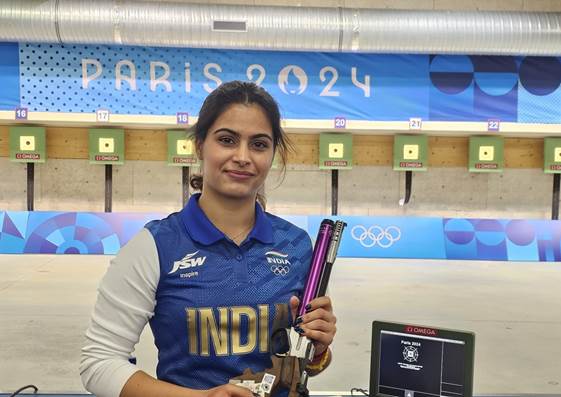
When Manu Bhaker won two bronze medals at the Paris Olympics, India briefly learned the vocabulary of pistol shooting. We discussed qualification scores, finals pressure and mixed-team chemistry as though we had always cared. Then the familiar machine began: airport photographs, congratulatory posts, brand interest, award speculation and a gradual return to cricket’s daily weather system. Bhaker’s results are preserved in the official Paris shooting results, including the mixed-team event in which she partnered Sarabjot Singh. The medals were historic, but I resist describing them as miracles. “Miracle” is the word we use when we want the emotional reward without examining the preparation. Bhaker’s success came from an athlete rebuilding after Olympic disappointment, a support team doing detailed work and a shooting system capable of producing world-class talent. My frustration is that India still presents this sophisticated labour to the public only once every four years.
Visibility is part of infrastructure
Sports policy usually treats infrastructure as ranges, equipment, coaches and camps. Those are indispensable. Visibility is infrastructure too. A teenager is more likely to imagine a sporting life when she can watch domestic competitions, recognise national-level athletes and understand how selection works. Indian shooting has international events, trials and national championships, yet most arrive to the general public as result sheets after the fact. Cricket fans know the next series before the current one ends. Shooting supporters often search federation feeds to learn whether an event is being streamed. That gap is not explained solely by public taste. Taste is cultivated by repetition, scheduling and storytelling.
The Olympic movement’s own athlete profile for Manu Bhaker can catalogue medals and appearances, but it cannot build India’s year-round sporting memory. Broadcasters, federations and sponsors must do that. I am not demanding prime-time television for every qualification relay. I am asking for a dependable digital product: clear calendars, reliable streams, commentary that teaches without patronising, prompt results and short features introducing athletes before medals make them famous. Production costs have fallen. A federation unable to make its premier domestic events consistently watchable is not suffering from destiny; it is making a choice.
The danger of the lone-hero story
India loves the lone hero because the story is flattering to everyone. The athlete overcomes adversity, the nation supplies blessings, and institutions appear only at the medal ceremony. Bhaker’s career is more instructive. Her disappointment in Tokyo was public and painful. She then had to revise technique, relationships and mental approach while continuing to compete in a sport where tiny errors become enormous on a scoreboard. That arc should change how we discuss athletes who fail at one Games. Instead, Indian commentary too often behaves as a four-year court of summary judgment. A medal makes an athlete a national treasure; a malfunction or poor final makes her a cautionary tale.
I would like federations and the sports ministry to plan across two Olympic cycles, not one. Shooting is volatile: even elite competitors can miss finals, and a strong contingent may return fewer medals than expected. Funding decisions should examine process, rankings, depth and technical needs rather than react to one fortnight. Accountability is necessary—public money cannot become an entitlement—but accountability differs from panic. Coaches need evaluation, athletes need performance benchmarks and selection must be transparent. None of that requires rebuilding the programme whenever a final goes badly.
Women athletes pay an additional tax
Bhaker’s visibility also revealed the peculiar demands placed on Indian sportswomen. They must perform, explain their performance, remain gracious under invasive attention and become symbols for every debate about women in India. Their clothes, expressions and family relationships become public material. A male cricketer can have a poor series and retreat behind team management. A female Olympic medallist is asked to narrate resilience until resilience itself sounds like a sponsorship category. I want to hear athletes discuss tactics, equipment and training—not only adversity, sacrifice and national pride.
This requires better sports journalism. Reporters covering shooting should receive access to technical briefings and competitions outside the Olympics. Editors should commission analysis before a medal rather than parachute in after one. The audience can handle complexity. We learned leg-before-wicket laws, net run rate and auction strategy because cricket coverage assumed our attention. Explain sight adjustments, heart-rate control and final formats with the same confidence, and viewers will learn. Treat non-cricket sports as sentimental human-interest material, and audiences will never see the expertise.
Money must reach the unglamorous layer
Elite support schemes matter, but the pathway beneath them determines whether one champion becomes a generation. Shooting has unavoidable costs: firearms, ammunition, range access, travel and coaching. Families with talent but limited resources can be filtered out long before a national selector sees them. Public ranges and state academies therefore need functioning equipment, qualified staff and transparent entry. A building inaugurated with a ribbon is not a programme. It must have consumables, maintenance budgets, safe procedures and competition opportunities.
I would publish athlete-support criteria and expenditure categories in a usable format. Transparency protects athletes as much as taxpayers because it reduces rumour about favouritism. It also allows us to distinguish genuine scarcity from administrative delay. Travel approvals and equipment procurement should follow the sporting calendar rather than office convenience. A missed training block cannot be restored by reimbursing the bill six months later. India’s medal ambitions are often expressed in grand totals; sporting progress is usually lost through small, boring failures.
What cricket’s success actually teaches
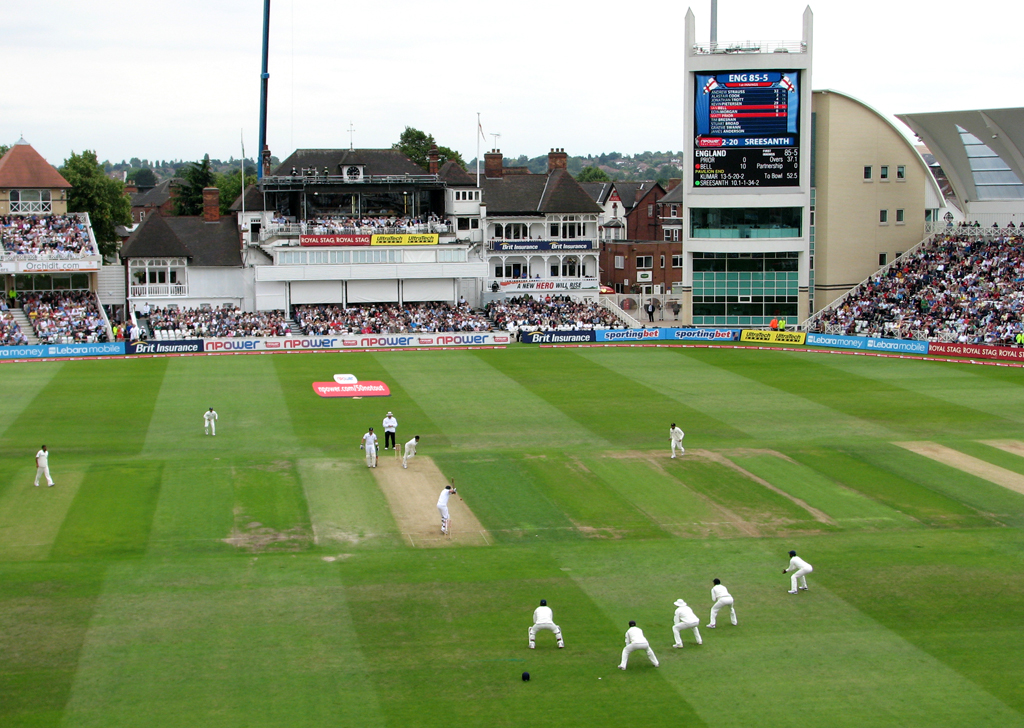
People accuse writers like me of resenting cricket. I do not. I resent the intellectual laziness of treating cricket’s dominance as a law of nature. Cricket became commercially overwhelming through decades of broadcasting, scheduling, local competition, identifiable stars and institutional power. Other sports cannot copy the IPL, nor should they try. They can borrow the underlying lesson: audiences form relationships with seasons and characters, not with isolated medal ceremonies. A compact Indian shooting league may or may not be viable, but a coherent domestic circuit certainly is. Package a few major events, stage them at predictable times and make national-team selection consequences clear.
Sponsors also need to resist collecting only medal-winning faces. Supporting junior events, coaches or streaming may offer less instant glamour but create the ecosystem from which endorsable champions emerge. Public-sector institutions historically gave athletes employment security; new models must provide comparable stability without trapping competitors in bureaucracy. Universities can contribute scholarships and ranges. State governments can specialise rather than each building identical underused facilities. There is plenty to do once we stop treating felicitation as policy.
Let the legacy be ordinary
The best legacy of Bhaker’s Paris medals would be wonderfully ordinary: a schoolgirl watching a national final online; a parent finding accurate information about a nearby range; a junior shooter travelling to a competition without a funding crisis; a coach retaining employment between Olympic cycles; a sports desk leading with a World Cup result because readers know the athletes. None of this produces the instant emotion of the tricolour rising. It is how that moment becomes more common.
Bhaker does not owe India endless inspiration. She owes her sport the work she chooses to undertake, and India owes athletes a system in which one bad day is survivable and one great day expands opportunity for others. Her two medals proved that Indian shooting could withstand pressure at the highest level. They also exposed how quickly our attention leaves once the podium photographs are filed. I refuse to call that inevitable. Cricket receives the attention of a continuing national story; other athletes receive the attention of surprise guests. Manu Bhaker earned more than a chapter in an Olympic scrapbook. She earned Indian shooting the right to be followed in the present tense.