
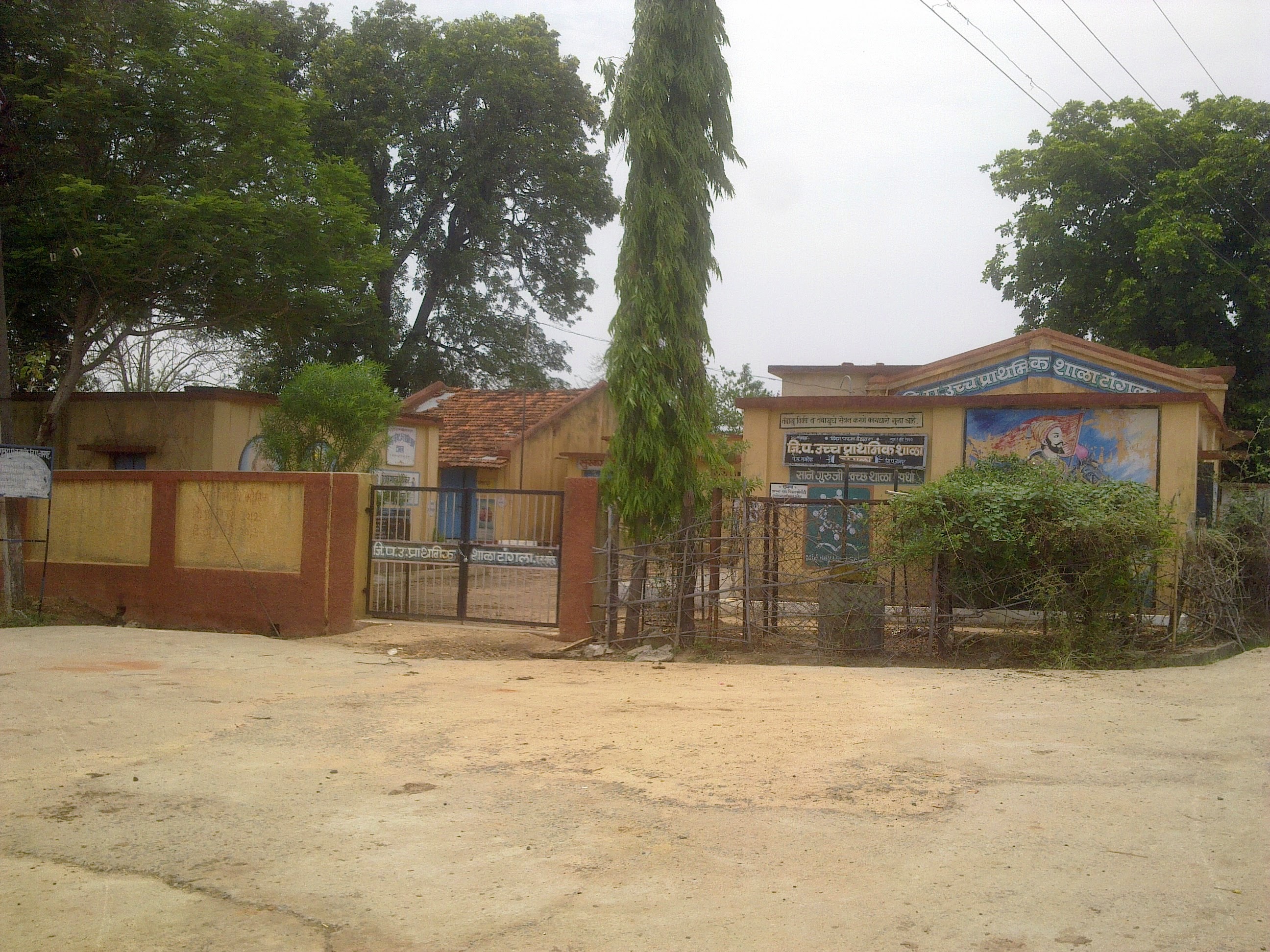
Governments are excellent at constructing buildings and less accomplished at remembering why. Across India, locked rooms acquire dust, fading plaques and a watchman who cannot locate the key. Nagpur’s Zilla Parishad stumbled onto a more subversive response: use them. During a cleanup of old records, officials identified neglected public structures and began converting them into village libraries. The Indian Express report describes a network of one hundred libraries in former panchayat offices, halls, anganwadi spaces and school buildings, with more planned. A related initiative in Gadchiroli, reported as One Village, One Library, shows that the idea can travel. The miracle here is not technology. It is a bureaucracy noticing a locked door and asking whether opening it might be useful.
Quiet is an unequal resource
Urban professionals romanticise libraries as places to browse novels. For many students, a library first means a chair, a fan, electricity and several uninterrupted hours. A crowded or joint household may offer love, food and absolutely no silence. One room must serve sleep, conversation, television, work and study. Competitive-exam preparation then becomes partly a contest over real estate. Families able to pay for private reading rooms purchase concentration by the month. Everyone else negotiates with noise.
This is why the Nagpur project matters beyond its book count. Wi-Fi, computers and reference material help, but the scarce asset is legitimate space: somewhere a young woman can sit without being asked to complete a household task, somewhere a night-shift worker’s son can study while his father sleeps, somewhere ambition does not need to apologise for occupying a table. Policymakers love distributing objects because objects photograph well. Time and quiet are harder to display, though they may be more transformative.
Reuse beats another foundation stone
The project’s dry brilliance is adaptive reuse. Public money already paid for the walls. Renovation, furniture and connectivity cost something, but far less than purchasing land and constructing a new showcase building. Reuse also places facilities inside communities rather than on distant institutional campuses. The model answers two failures at once: stranded public assets and inadequate study space. I would like every district to inventory buildings that are unused, underused or locked outside narrow office hours.
That inventory should be public. List the structure, legal custodian, condition, current usage and proposed community function. Some buildings will be unsafe and require demolition; sentimentality should not override engineering. Others can host libraries, clinics, childcare, women’s groups, skill classes or disaster shelters on different schedules. The point is not to turn every empty room into a library. It is to stop treating vacancy as an acceptable administrative state.
The books must follow local demand
Library projects often become donation cemeteries. Well-meaning people send obsolete entrance guides, damaged textbooks and novels nobody requested. Shelves fill; usage does not. Nagpur’s reported attention to local needs is therefore important. A village with many police-recruitment candidates may need different material from one serving schoolchildren or agricultural workers. Librarians and user committees should track requests, circulation and exam calendars. Digital resources can broaden access, but only if connectivity, language and basic assistance are available.
I am wary of letting competitive exams consume the entire institution. Government jobs understandably carry enormous appeal, yet a public library should not become merely a coaching annex. Newspapers, Marathi literature, children’s books, health information, agricultural resources and general nonfiction create a wider civic space. Reading for curiosity has value even when it does not produce a rank. The balance should be decided locally, not imposed by a metropolitan donor clearing a storeroom.
Twenty-four hours requires more than a lock
Some village libraries can remain open around the clock, an extraordinary advantage for workers and students with unconventional schedules. But twenty-four-hour access raises practical questions: lighting, safety, gender inclusion, maintenance and responsibility for equipment. CCTV may deter theft, though cameras are not a substitute for community ownership. A committee that includes young users and women is more likely to notice why one group has stopped attending. Rules should be simple, publicly displayed and enforced without turning the space into another office where a clerk guards furniture from citizens.
The counterargument is predictable: buildings will deteriorate, computers disappear and committees become political. All possible. Locked buildings also deteriorate, while delivering nothing. Risk should be managed rather than worshipped. Maintain asset registers, insure costly equipment, publish modest budgets and let village committees report problems. A room that shows wear because hundreds of students use it is not administrative failure. It is the first evidence that the building has started working.
Measure life, not inauguration
The project should be evaluated after the novelty fades. How many distinct users visit? Are women using the space at comparable rates? Which hours are busiest? Are computers functional? How quickly are broken fans repaired? Do students request material that never arrives? Exam selections are heartening, but they should not become the only measure. A library cannot promise everyone a government post, and tying its legitimacy solely to results would recreate the pressure students came there to manage.
Useful metrics include repeat attendance, school participation, book circulation, community events and the operating cost per user. Publish them village by village without turning comparison into punishment. A quiet library in a small settlement may be worthwhile with fewer visitors than one near Nagpur city. Data should help adjust opening hours and collections, not provide an excuse to close places serving difficult populations.
The overlooked story is administrative imagination
We tend to describe such projects as heart-warming, which is often where serious thought goes to die. The students are inspiring, the photographs are pleasant, and everyone moves on. I find the administrative implication more interesting. India has immense sunk public capital trapped behind rusted locks. Reusing it requires officials to coordinate ownership, modest funds and local management—tasks less glamorous than announcing new schemes but often more productive.
Nagpur’s libraries make a case for repair as governance. Find what already exists. Ask residents what they lack. Spend enough to make the space dignified. Keep it open. Measure whether it is used. This sequence sounds obvious, which explains why it receives less attention than ribbon-cutting. I hope the model spreads without acquiring a giant acronym, a celebrity ambassador and an app that fails at login. Give people keys, chairs, books, power and quiet. Sometimes development is not a moonshot. Sometimes it is a government building finally unlocked during the hours citizens need it.