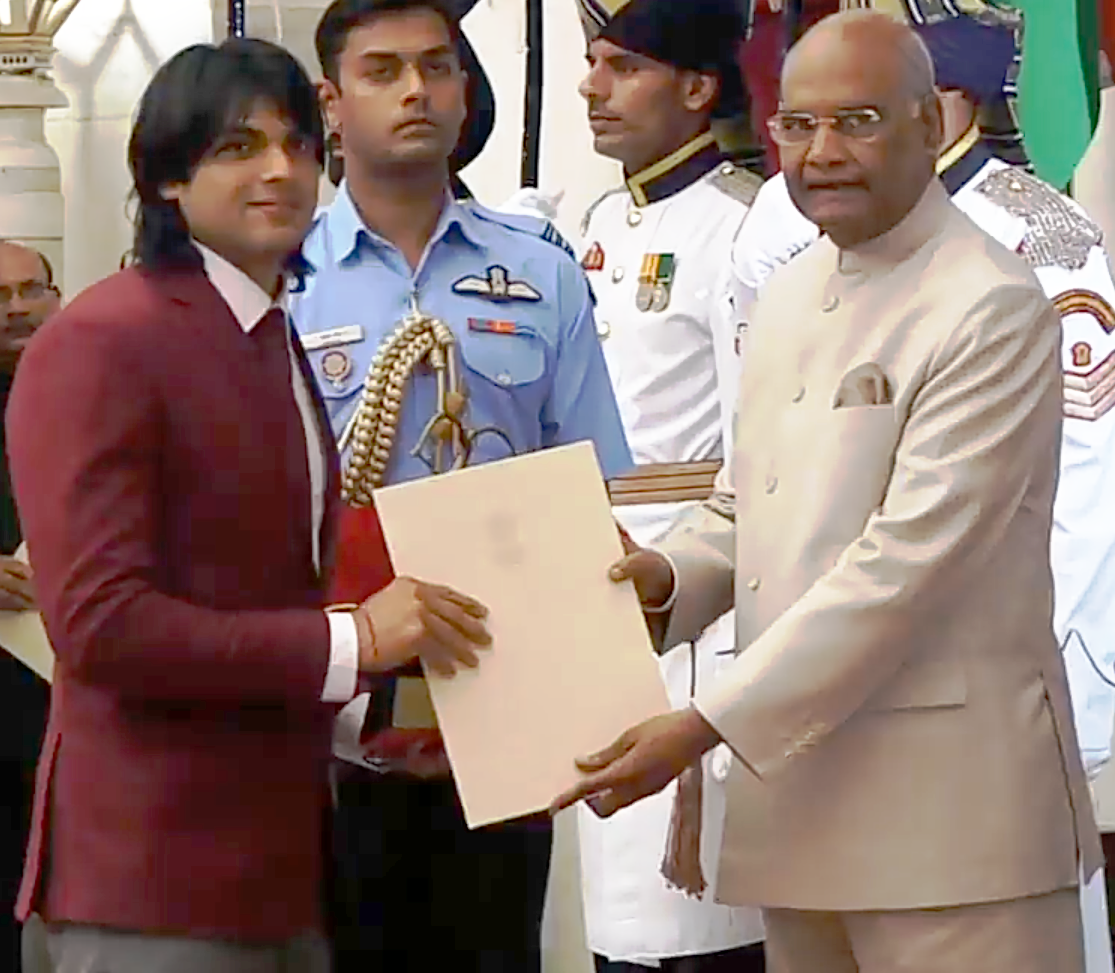
When Neeraj Chopra finally sent the javelin beyond 90 metres in Doha, I felt relief on his behalf and irritation on ours. Relief, because an arbitrary number had followed one of India’s greatest athletes like an unpaid bill despite his Olympic and world titles. Irritation, because we had allowed the number to become a referendum on his greatness. Chopra had already transformed Indian athletics. The throw changed a statistic, not his stature. The more useful question is what India does with the attention he created. One champion can inspire participation, attract sponsors and make a stadium event television-worthy. He cannot substitute for hundreds of trained coaches, safe throwing fields, physiotherapy, domestic meetings and patient talent identification. We should celebrate 90.23 metres, then look squarely at the much larger distance between an exceptional athlete and a dependable system.
The number became a national obsession
According to Olympics.com’s record of Chopra’s leading throws, the Doha effort of 90.23 metres became his personal best and India’s national record. It was the first time an Indian crossed the 90-metre line. Those are real achievements. Yet javelin is not a video game in which a round number unlocks a new status. Conditions, competition rhythm, runway speed, release angle and health all matter. A medal is determined by the best throw on a particular night, not a lifetime badge earned at 90.
Before Doha, questions about the barrier were often framed as if Chopra’s career contained an embarrassing blank. This was absurd. His consistency around the high eighties, across championships and under immense pressure, was precisely what made him extraordinary. Plenty of athletes have thrown farther once and achieved less. Chopra built a career by reaching finals, responding to rivals and producing elite throws when medals were decided. I would take that competitive reliability over a spectacular number followed by years of anonymity.
Our fixation reveals how Indian sports conversation works outside cricket. We search for a simple milestone because we do not watch enough of the season to understand form. Cricket fans discuss a batter’s technique across formats and conditions. Athletics often arrives as one clip, one distance and one medal table. Chopra has forced a larger audience to learn Diamond League venues, qualification rounds and the names of international rivals. That education should continue beyond him.
A champion is not an ecosystem
India’s national athletics records span impressive achievements, and the published list of record holders shows excellence across throws, jumps, sprints and walks. But a list can conceal depth. In a robust system, the national champion is pushed by several domestic rivals, replacements emerge before veterans decline and athletes can access high-level competition without depending on exceptional personal arrangements. India has improved, yet too many careers still hinge on finding the right coach, employer, camp or federation decision at exactly the right moment.
Javelin has benefited from Chopra’s gravitational pull. Young athletes can point to a recognisable pathway and families can imagine the event leading somewhere. The danger is funding by reflected glory: money follows the discipline after a medal, then attention fades if results dip. Development takes longer than an Olympic cycle. Throwers require strength training, technical coaching, suitable implements, recovery and competition exposure. A teenage prospect may need years before entering senior international range. If support is conditional on immediate headlines, the system selects early maturers and abandons late developers.
I also worry about the concentration of expertise. India should invite excellent foreign coaches when they add value, but it must build a deeper domestic coaching profession. Knowledge should not sit with one camp or one celebrated athlete. Coaches need continuing education, decent contracts and accountability based on development rather than political proximity. Video analysis and sports science are useful only when someone can translate them into daily training. A shiny laboratory is not a substitute for a competent coach noticing that an athlete is overloaded.
The invisible work deserves visible money
Sports funding debates become trapped between two lazy positions. One side claims the state spends nothing; the other points to elite schemes and declares the job done. The truth is more granular. Targeted support has enabled leading athletes to train and compete internationally, and government programmes deserve credit where they work. But access below the elite tier remains uneven. The athlete ranked fourth nationally may be one technical adjustment from international quality and still lack the travel, nutrition or medical support available to the established star.
I would ring-fence more money for competitive depth. Fund domestic meets with reliable timing and measurement. Publish selection standards early. Pay travel support promptly. Create regional strength-and-conditioning hubs that athletes can use without relocating permanently. Establish a transparent injury grant so a prospect does not disappear because treatment costs arrived before sponsorship. None of this is glamorous. That is precisely why institutions must do it. Sponsors naturally prefer medals and faces; federations and government must finance the unphotogenic middle.
Women athletes require particular attention. Safe accommodation, female support staff, grievance mechanisms and continuity through education or employment are not peripheral welfare issues. They determine who remains in sport. A system may identify talented girls at school competitions and still lose them when training requires travel, families fear unsafe arrangements or employment becomes urgent. If India wants a wide athletics base, it must design for those realities rather than lecturing families about ambition.
Do not turn Neeraj into a burden
Chopra’s public persona has been remarkably steady under attention that would exhaust anyone. But the country repeatedly asks its rare non-cricket champions to become athlete, ambassador, development plan and motivational curriculum at once. Every young thrower is compared with him. Every event result becomes a forecast of the next Chopra. That is unfair to both sides. A teenager needs room to develop an individual technique and competitive identity. Chopra needs room to lose a meeting, manage his body or adjust his season without the nation diagnosing decline.
The 90-metre obsession showed how quickly admiration becomes entitlement. Once he crossed the line, the target simply moved: could he do it again, could he throw farther than a rival, could he deliver at the next championship? Elite sport always asks the next question, but journalism and fandom can retain proportion. An athlete is not a national infrastructure project. He owes the public honest competition, not endless proof that our emotional investment was wise.
There is another counterargument: stars inevitably receive disproportionate resources because medals create returns. I accept the logic up to a point. Elite preparation is expensive, and genuine medal contenders should not be denied marginal gains in the name of egalitarian symbolism. My objection is not that Chopra receives world-class support. It is that his success can be used to imply that everyone below him inhabits the same system. They do not. Excellence at the top and fragility underneath can coexist.
The legacy should be boring and durable
A mature Neeraj legacy would look less cinematic than advertisers imagine. It would be a national calendar that starts on time. It would be certified coaches in smaller centres, properly maintained runways, enough legal javelins for training and physiotherapists who understand throwing injuries. It would be athletes receiving reimbursements without repeated phone calls. It would be journalists covering the second- and third-best performers before an international medal makes them unavoidable.
Schools should use Chopra’s story to invite children into athletics, but participation must be followed by competent assessment. Not every enthusiastic child should be pushed into javelin because that is the event on television. Speed, coordination, strength and interest can point toward many disciplines. A broad system allows young athletes to change events without being labelled failures. India needs hurdlers, jumpers, walkers, combined-event athletes and coaches as urgently as it needs another spear.
I will remember the Doha throw because it ended a silly national conversation and began a better one. Chopra proved he could cross 90 metres. India must now prove it can move beyond hero worship. The true measure will not be whether another athlete copies his exact distance. It will be whether dozens of athletes can pursue international standards without requiring his exceptional luck, resilience and marketability. That is a harder target, and it cannot be reached with one throw.