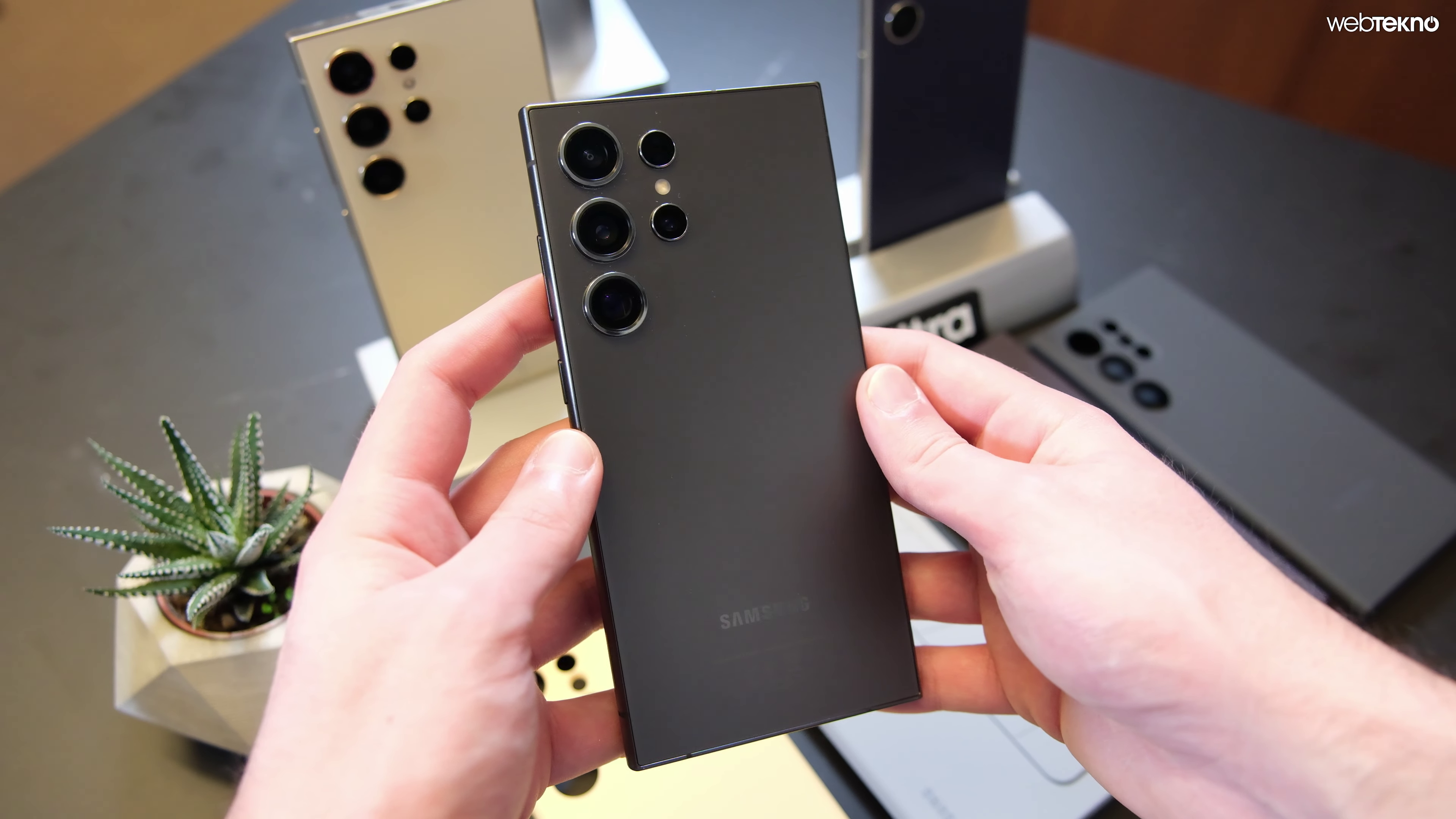
I like long software-support promises because they force Android manufacturers to acknowledge an obvious truth: a premium phone should remain useful long after its launch event has been forgotten. Samsung’s environmental documentation for the Galaxy S24 states a commitment of seven operating-system generations and seven years of security support in its product environmental report. That is meaningful progress. Yet I would not advise an Indian buyer to equate an update calendar with seven comfortable years of ownership. Phones age through batteries, storage pressure, damaged ports, cracked displays, heat, app bloat and repair prices. Software is one column in a much longer household ledger. The ownership test begins after reviews stop arriving, exchange bonuses vanish and the device has spent two summers navigating, recording video and searching for a mobile signal in Indian heat.
The battery sets the real retirement date
Lithium-ion batteries are consumable components, but the industry still designs and markets phones as if battery replacement were an embarrassing exception. After hundreds of charge cycles, capacity falls. Heat accelerates the discomfort, and Indian conditions are not gentle: hot cars, outdoor navigation, patchy networks and fast charging all add stress. A seven-year support promise is credible only if an owner can obtain a genuine battery at a transparent price in years three, five and perhaps seven. Samsung has a broad service footprint, which helps, but availability can vary by model and city. Manufacturers should publish long-term parts commitments alongside software commitments and make battery-health information easy to understand.
Updates themselves can create anxiety. Owners of older phones often wonder whether a new version will slow performance or hurt endurance. Samsung’s Indian update guidance explains the mechanics, but the more useful promise would be performance accountability: testing on aged batteries, minimum free-storage guidance, known-issue dashboards and a simple rollback or repair path when an update misbehaves. “Eligible” does not necessarily mean “pleasant.” Long support should preserve security without turning the oldest device into a reluctant participant in features designed around newer hardware.
Storage is the tax nobody calculates
A phone that begins with adequate space can feel cramped after years of WhatsApp media, photographs, offline video, app caches and expanding system files. Cloud storage is useful, but it converts a hardware limitation into a recurring subscription and assumes reliable connectivity. Base-storage configurations therefore matter more under long-support policies. Selling a premium device with barely enough headroom for seven years is like promising a long road trip with a tiny boot. Buyers should purchase more storage than launch-day use suggests, though manufacturers deserve criticism for charging steep premiums between capacities.
Repair economics can be even harsher. A display replacement on an ageing flagship may approach the resale value of the entire phone. Owners then discard a device whose processor and cameras remain adequate. This is where sustainability language meets its practical exam. Modular design, parts pricing, independent repair access and data-preserving service processes matter far more than recycled packaging. Water resistance complicates repair, and I do not pretend every phone can become a screwdriver-friendly kit. But companies choose how assemblies are bonded, which parts are paired through software and how long diagnostic tools remain available. Those decisions determine whether longevity is realistic.
Performance ageing is rarely captured in reviews
Launch reviews test a clean device on fresh software. Real ownership involves thousands of photographs, multiple work profiles, banking apps, background services and years of updates. A processor that wins a benchmark may still produce heat during a video call on mobile data. A camera application may acquire lag. Biometric recognition may become inconsistent after a scratched protector is fitted. None of these problems generates a dramatic failure, but together they determine whether an owner begins browsing sale offers.
I would like reviewers, including those of us who write about technology, to maintain long-term test fleets. Revisit battery life after eighteen months, check repair quotations, measure storage growth and document update quality. That information would be more useful to most buyers than another comparison of peak benchmark scores. It would also expose differences between a company’s flagship and mid-range support. A seven-year promise attached to an expensive model is good; a reliable five-year experience on the mass-market phones Indians actually buy may be more consequential.
Do not buy seven years of imagined need
There is a counterargument to my caution: few people keep a phone for seven years, so any extended support is a bonus. True, but circular reasoning is at work. People replace phones partly because batteries, repairs and updates make continued use unattractive. Improve those conditions and behaviour may change. Even an owner who upgrades after four years benefits because the old device retains value and can be passed to a relative without becoming a security liability. Longevity serves the second owner as much as the first.
Still, nobody should overspend merely because a brand prints a larger support number. Choose a phone that meets present needs, has dependable local service, adequate storage and a battery replacement path. A cheaper device replaced once may cost more—or less—than a flagship kept for seven years, depending on damage, financing and resale. Calculate total ownership rather than treating durability as a lifestyle identity. Cases, screen protection and sensible charging habits remain boringly effective.
The service counter is the real launch stage
Samsung deserves credit for moving Android’s support expectations forward. Competitors have been forced to respond, and buyers now ask questions that once belonged only to enthusiasts. But the next phase must connect software policy with physical maintenance. Publish parts horizons. Show battery prices. Explain how older models are tested. Guarantee security patches on a schedule users can verify. Train service centres to repair without casually wiping data. These commitments lack the sparkle of generative features, but they determine whether a phone becomes an asset or electronic waste.
When I evaluate a device, I imagine it with a tired battery, a crowded storage drive and one minor accident behind it. If it still makes financial and practical sense, that is a durable phone. Seven years on a slide is an invitation to prove longevity, not proof by itself. Indian buyers should welcome the promise and then ask the impolite ownership questions. The answers will matter long after the launch stream ends.