I have stopped being impressed when a phone maker promises seven years of updates. I am pleased, certainly, but not impressed. Software support is now a basic condition of selling a premium device, not an act of philanthropy. The more useful question is whether the same phone remains affordable and pleasant to own after its battery has weakened, its charging port has collected two monsoons of pocket debris and the nearest authorised service centre has quoted a price that inspires spiritual detachment.
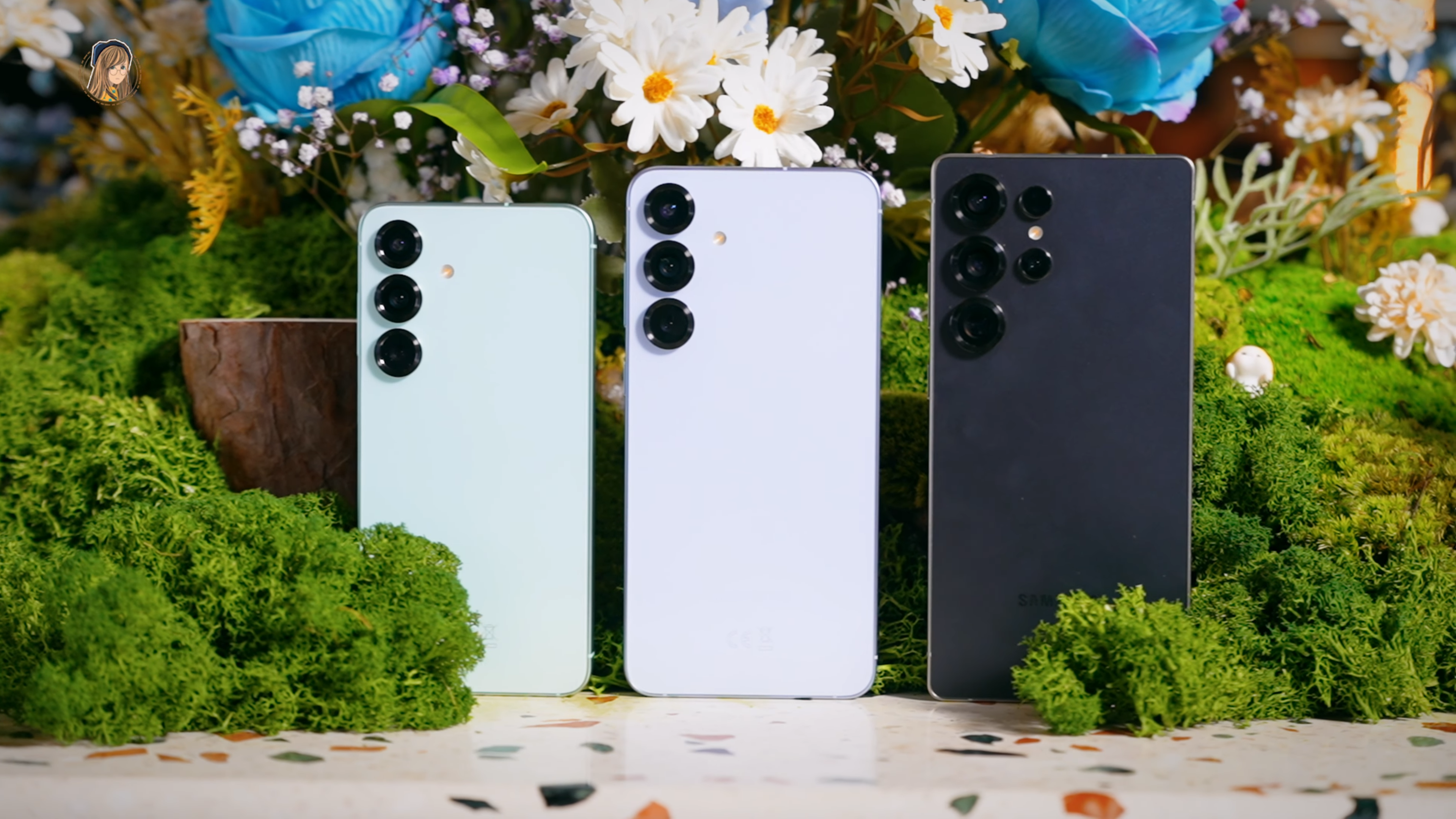
Samsung’s Galaxy S24 announcement promised seven generations of operating-system upgrades and seven years of security updates. Apple’s battery service guidance openly acknowledges that rechargeable batteries have limited lives and eventually require service. These are welcome statements. They also reveal the contradiction: a phone cannot deliver seven useful years if replacing its most consumable major component is costly, slow or geographically inconvenient.
Launch reviews answer the easiest questions
Most phone coverage occurs during a device’s first week, when the battery is new, storage is empty and software has not accumulated years of additions. Reviewers compare benchmark scores, camera crops and charging times. Those tests help, but they tell us remarkably little about ownership. Almost every competent midrange phone feels fast on day one. The differences become visible after repeated updates, heat cycles, repairs and encounters with customer support.
Indian conditions are demanding. Heat accelerates battery wear. Dust reaches ports and speaker grilles. Long commutes increase screen and mobile-data use. Unstable power and cheap cables introduce further risk. A device designed around temperate laboratory assumptions may age poorly in Jaipur or Chennai. Manufacturers should publish regionally relevant durability and battery information rather than relying on ideal-condition footnotes.
The battery is the obvious pressure point. When capacity falls, users charge more often, carry power banks and eventually replace the entire phone even though its processor remains adequate. A reasonably priced authorised battery replacement can add years of useful life. Yet consumers often cannot obtain a clear online quote, parts may be unavailable for older models and service centres sometimes push replacement assemblies instead of component-level repair.
Apple deserves credit for maintaining a visible service system, but premium repair prices can still alter the economics. Samsung has a broad network, though experience varies by city and franchise. Smaller brands compete aggressively at purchase and become harder to recommend when parts or trained technicians disappear after two product cycles. A low launch price is not value if the phone becomes disposable at the first broken display.
Software support has hidden qualifications
An update promise should specify more than years. Does the period begin at launch or purchase? Will every regional model receive the same schedule? Are security patches monthly, quarterly or eventually irregular? Which headline features depend on cloud services that may later become paid? Manufacturers have learned that a large number looks excellent on a comparison chart. Consumers need the terms beneath it.
Long support can also degrade performance if poorly optimised. I have used older phones that technically received the latest software but felt slower, hotter and less reliable afterward. This is not an argument for abandoning updates; security patches are essential. It is an argument for testing updates on ageing batteries and lower available storage, then allowing users to understand performance implications before installation.
Storage is another longevity issue launch-day marketing avoids. A base model filled by system files, high-resolution video, messaging media and years of photos can become frustrating long before the processor is obsolete. Cloud subscriptions are not a neutral solution; they add recurring cost and depend on reliable connectivity. Manufacturers that remove expandable storage should offer sensible base capacities rather than using scarcity to push expensive upgrades.
Repair software matters too. A genuine replacement part should function fully after installation without an opaque pairing process that only the manufacturer controls. Calibration may be necessary for safety and quality, but it should not become a pretext for excluding competent independent repairers. India needs both trustworthy authorised service and a healthy independent ecosystem. Millions of users live far from flagship stores.
The ownership scorecard I want
I would rate every phone on five long-term measures. First, the price and availability of battery replacement. Second, display and back-panel repair cost. Third, the number and geographic spread of service locations. Fourth, the clarity and reliability of the update policy. Fifth, resale support, including how repairs affect diagnostics and trade-in value. Put this table beside the camera specifications and buying decisions would improve immediately.
Review publications should revisit major phones after one, two and four years. Measure battery health, update performance, repair availability and recurring software annoyances. A phone that won “device of the year” can become a poor recommendation if its service programme collapses. Conversely, a boring device with stable updates and cheap parts may prove excellent value. Long-term reviews would reward the engineering choices that ownership actually exposes.
Retailers could provide a total-cost estimate: purchase price, official battery replacement and common screen repair. This will never predict accidents perfectly, but it would make comparisons honest. A ₹30,000 phone with a ₹12,000 display is a different proposition from one with modular, reasonably priced service. Insurance plans should also state exclusions plainly instead of revealing them after the drop.
The government has a role through right-to-repair policy, e-waste rules and consumer protection. Companies should supply parts, manuals and diagnostic access for a reasonable period while meeting safety requirements. Independent shops need standards and training, not blanket suspicion. At the same time, counterfeit batteries are a genuine fire risk, so reform must build traceability rather than romanticise every street repair.
Longevity is an environmental claim with receipts
Phone makers increasingly advertise recycled materials and smaller packaging. Fine. The largest environmental gain often comes from keeping a working device in use. Manufacturing a replacement consumes materials and energy that no cardboard box reduction can erase. If companies want sustainability credit, they should publish repair rates, spare-part availability periods and average service turnaround times.
Trade-in programmes can help, but they sometimes function mainly as upgrade marketing. A phone collected through trade-in should be refurbished when feasible, with transparent data wiping and responsible recycling when not. Consumers deserve to know what happens after handover. “Recycled responsibly” is too vague for an industry that tracks every sales conversion with exquisite precision.
Users also need realistic habits. Fast charging is convenient, not compulsory at every opportunity. Heat is the battery’s enemy. Cheap, uncertified chargers are false economy. Cases protect phones but can trap heat during demanding use. None of this should become victim-blaming: the product must be robust. Still, informed use can extend life, and manufacturers should explain it without using battery care as an excuse to reject valid warranties.
I am optimistic because the update competition shows that consumer pressure works. Android flagships once received support periods that now look embarrassing. Samsung’s longer commitment pushed the market, and other brands followed. The next competitive frontier should be repair: guaranteed battery prices, parts for seven years, nationwide pickup and clear turnaround targets. Imagine a launch event where the loudest applause followed a cheap battery replacement.
Until then, I will treat seven-year promises as incomplete sentences. A phone’s software may be supported while its hardware is economically abandoned. Indian buyers who keep devices longer than wealthy launch markets understand this instinctively. They do not need another animated slide about artificial intelligence. They need to know whether somebody in their district can replace the battery in 2030.
The best phone is not the one that produces the brightest first-week review. It is the one that becomes unremarkable infrastructure: secure, repairable and dependable after the novelty has vanished. Manufacturers now know how to promise longevity. My patience is reserved for those willing to price, stock and service it.