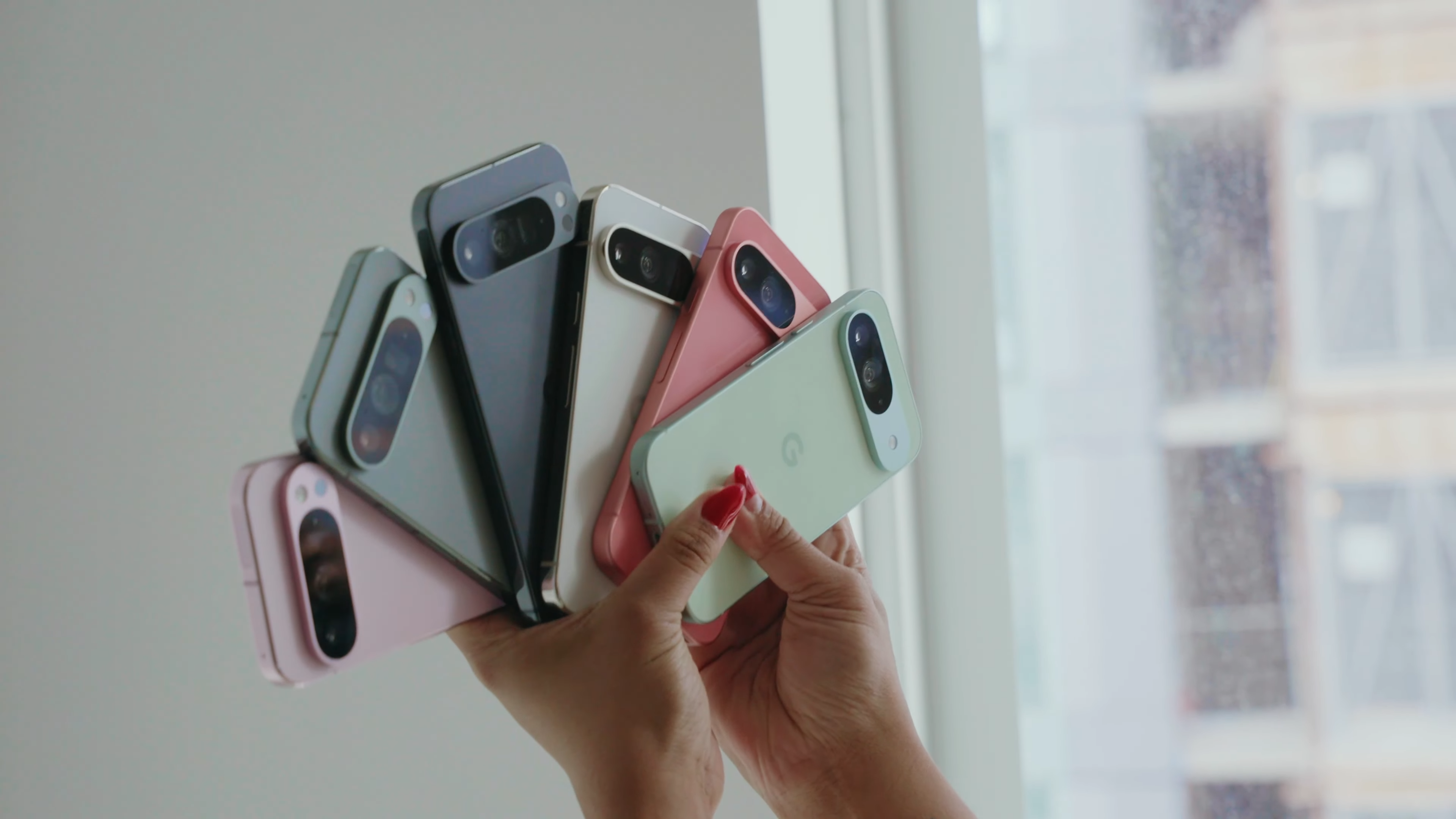
Phone launches ask us to imagine a glamorous first hour. The glass is spotless, the battery is full and artificial intelligence is removing a stranger from a holiday photograph nobody has yet taken. I prefer imagining month twenty-six: the oleophobic coating is tired, storage is crowded, the battery has learned pessimism and the nearest authorised repair centre is not as near as the word suggests.
By that measure, Google’s Pixel proposition in India remains frustrating. The phones offer clean software, excellent cameras and a long update commitment. A recent Gadgets 360 guide to long-term phones rightly treats Google’s support policy as a major advantage. But ownership longevity is a system, not a calendar. Seven years of updates are meaningful only if the hardware, battery, connectivity and service network make year four attractive.
Heat is not a benchmark footnote
Indian phones live hard lives. They navigate in cars under direct sunlight, upload video on mobile data, switch between weak towers, run payment apps in crowded markets and charge during humid nights. A device that performs beautifully in an air-conditioned review period may become uncomfortable when the ambient temperature crosses forty degrees and the modem is hunting for signal.
The Pixel 9 review from Gadgets 360 praised design and software while flagging overheating concerns. That issue matters more to me than a synthetic performance gap. Heat affects sustained camera use, charging speed, battery degradation and simple trust. If I am recording a family event, using maps on a highway or sharing a hotspot during a power cut, I should not have to manage the phone’s thermal emotions.
Google’s Tensor chips are marketed through their artificial-intelligence capabilities, and many features are genuinely clever. Yet the owner does not experience a processor as an architecture diagram. The owner experiences whether the camera opens instantly in May, whether video recording stops, whether a call remains connected and whether standby drain ruins a travel day. A phone is not good because its cleverest feature works in a demonstration. It is good because its dullest functions remain dependable under ugly conditions.
Software support has two meanings
The first meaning is duration: how long the manufacturer supplies operating-system and security updates. Google has helped push Android toward longer commitments, and consumers benefit. A premium phone should not become insecure while its hardware remains perfectly usable. Samsung and other brands have responded, turning support length into a competitive feature rather than an afterthought.
The second meaning is quality. Does an update arrive without breaking battery life, connectivity or a banking application? Are region-specific bugs fixed quickly? Do promised features actually work in India, with Indian languages, carriers and regulatory constraints? A seven-year pledge is not seven years of equal usefulness. Features can remain geographically restricted, hardware can age and updates can introduce new demands.
I would like reviewers, including myself, to stop treating the update number as the end of the conversation. We should track update reliability over time, publish battery comparisons after major releases and note which headline features remain unavailable locally. Manufacturers count on the technology press forgetting a device when its successor launches. Owners do not have that luxury.
Repairability is the missing specification
The most sustainable phone is not necessarily the one with the longest support promise. It is the one whose battery can be replaced at a sensible cost, whose screen is available without a month-long wait and whose data can be preserved through routine repair. Indian buyers routinely keep phones longer or pass them to relatives. Service quality therefore affects several years of value, not merely the first owner’s convenience.
Google has expanded its Indian retail and service presence, but it still competes with brands that have spent years building networks across tier-two and tier-three cities. A courier repair may look efficient on a corporate slide; it feels different when the phone contains a person’s payment access, work authentication and family communication. Turnaround time is not an abstract metric when the device has become an identity card with a camera.
Manufacturers should publish parts prices clearly, guarantee availability for the support period and separate battery replacement from unnecessary assemblies. If a seven-year software commitment is a selling point, parts availability for a comparable period should be part of the promise. Otherwise the update policy risks becoming environmental theatre: software offered to hardware made uneconomical to repair.
The camera advantage is real—and narrower
I understand why people tolerate Pixel flaws. Google’s image processing has long produced dependable photographs without requiring the user to understand camera modes. Skin tones, moving subjects and difficult lighting are often handled with judgment rather than merely saturation. For parents and travellers, consistency matters more than the theoretical capabilities of three oversized sensors.
But competitors have improved, and camera superiority is no longer enough to excuse weak fundamentals. A phone costing premium money must deliver reliable reception, strong battery life and predictable service. Chinese brands may clutter their software and push aggressive features, yet many understand Indian charging habits, dual-SIM use, thermal conditions and retail expectations exceptionally well. Dismissing them as spec-sheet merchants ignores why consumers return.
The Pixel’s cleaner interface also accumulates complexity as Google inserts more AI. Some tools are useful; others feel like features searching for habits. I do not want my phone constantly proposing transformations when basic organisation remains imperfect. Intelligence should reduce maintenance, not create another menu of possibilities I must remember.
How I would judge a Pixel in year two
I would record battery health, average screen time and idle drain. I would test cameras outdoors in peak heat, not only during golden hour. I would compare call stability on two major networks, examine GPS reliability in dense cities and measure how long a battery replacement actually takes. I would note scratches, button wear, USB-port reliability and whether the fingerprint sensor remains forgiving.
I would also audit software promises. Which launch features became daily habits? Which disappeared into settings? Which remained unavailable in India? Did updates improve the phone or merely keep it current? This is less exciting than photographing a launch box, but it is the information a buyer spending a month’s salary deserves.
None of this makes the Pixel a bad phone. It makes it a phone I recommend selectively. Buy it if camera character and Google’s software approach matter greatly, you live near dependable service and you accept that battery and thermal behaviour may not lead the class. Do not buy it because an update number appears to guarantee effortless longevity.
A durable phone earns affection by becoming boring. It connects, lasts, charges, survives repair and stays secure. Google has solved one important portion of that equation. The Indian market will not owe it full credit until the rest of the ownership experience lasts as long as the promise printed on the launch slide.