I've spent two years half-expecting the innings that would let everyone finally close the file on Virat Kohli's one-day career with a clean conscience. A polite 40 off 55, a soft dismissal against the short ball, the kind of scorecard entry that lets a chief selector nod gravely and talk about "the transition" without anyone having to say the uncomfortable part out loud. Instead, on September 27 in Thiruvananthapuram, in front of what by all accounts was a festive full house that had come to see exactly this, he walked out against West Indies and made 139 not out off 88 balls, and I'm still faintly annoyed at how predictable my own reaction was: relief, then irritation that relief was even necessary.
India were chasing 296. They got there in 41.4 overs for the loss of two wickets, which is the kind of margin that makes a run chase look administrative rather than dramatic — and that flatness is precisely the point. Kohli didn't grind this one out against the odds. He simply batted like a man who had never read a single word written about his own decline.
The Innings Itself
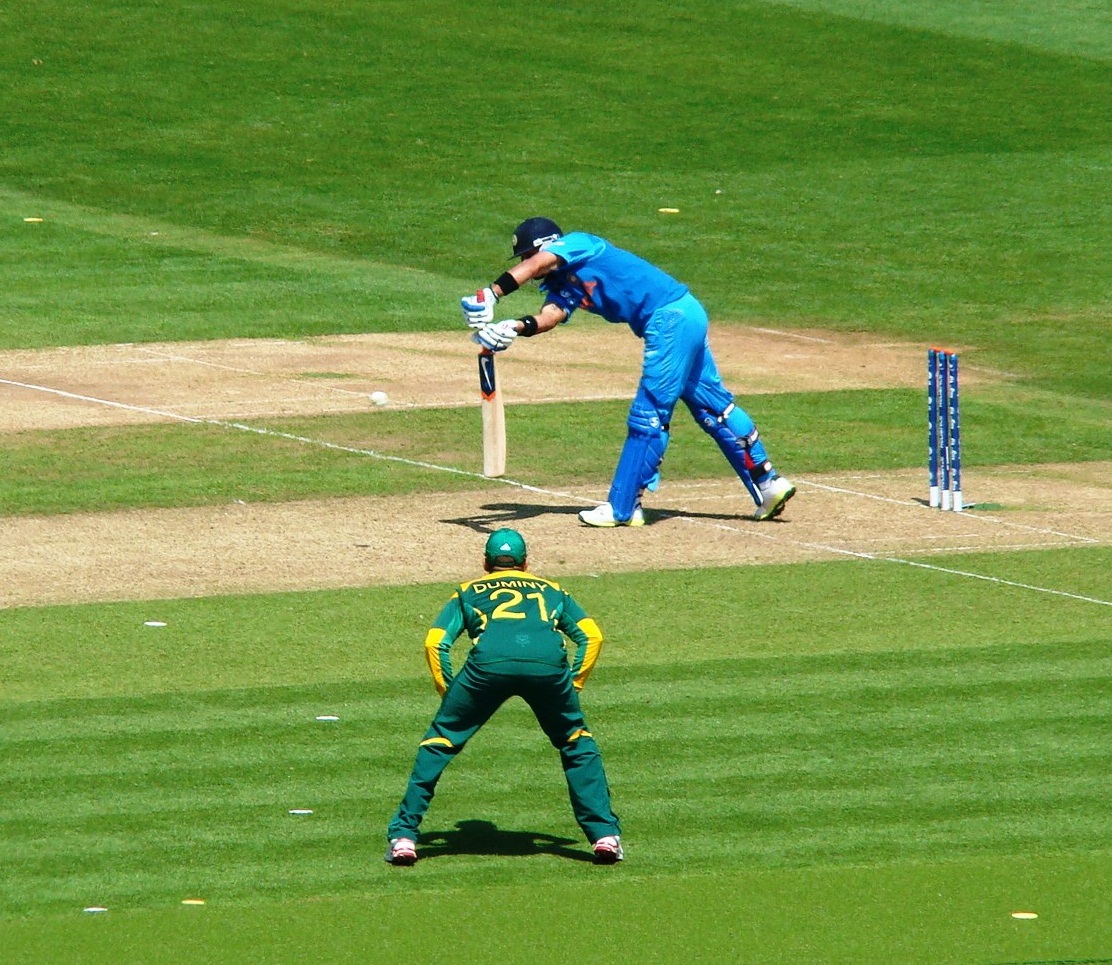
Ten fours, nine sixes, a strike rate that would have been considered reckless from him five years ago and is now just Tuesday. He came in with West Indies actually competitive — Justin Greaves and John Campbell had put on 135 for the opening wicket on the back of Greaves's own century, and 295 in 50 overs is a total you have to chase properly, not stumble through. Kuldeep Yadav had already done the hard work of pegging Windies back with 4 for 40 on his ODI comeback, which deserves its own column and isn't getting one today, because Kohli made sure of that. Shubman Gill made his tenth ODI hundred at the other end, in only his 67th innings, the third-fastest anyone has reached that mark, and even that — a genuinely startling landmark for a 26-year-old — played out like a supporting act. That's not a knock on Gill. It's just what happens when Kohli is batting like this. He doesn't share a frame easily, even when the person sharing it is very obviously the future of the format.
What struck me watching it wasn't the six-hitting, though there was plenty of it late, once the required rate had dropped low enough that he could simply pick a bowler and go after him for an over. It was the first twenty overs, where he did the thing he's always done better than almost anyone alive — refuse to give the bowling side anything, run the ones and twos that keep a required rate from ever becoming a threat, punish anything marginally short with that back-foot punch through cover that hasn't aged a day, and only then decide the game was his to finish quickly. It's a method that looks unglamorous until you notice it's the reason he doesn't get out. Modern white-ball batting has mostly moved toward manufactured aggression from ball one; Kohli's still playing the old percentages, and the percentages are still winning.
The Retirement Talk Was Always About Us, Not Him
Here's what I actually want to argue, because "Kohli scored runs, isn't that nice" isn't a column, it's a caption. The last two years of workload-management chatter, the rest-and-rotate policy dressed up as long-term thinking, the pundits gently floating that maybe it's time to "manage his transition out" — all of it was less about Kohli's actual batting and more about an administrative and media class that's uncomfortable with a 37-year-old refusing to follow the script they'd already written for him. The scorecard lays out the result plainly enough, but the subtext everyone in Indian cricket has been carrying around for two years is right there in how startled the coverage sounds — as if a batter with this method and this much residual hunger doing this was somehow the upset, rather than the far more boring and far more likely outcome.
I say this as someone who has no romantic attachment to one-day cricket the way I do to the five-day game — I'd happily watch this format quietly wither in favour of more Tests, and I've written that opinion often enough that I don't need to relitigate it here. But precisely because I'm not a natural Kohli-in-ODIs booster, I think my irritation at the decline narrative is worth taking seriously. It was never built on current form. Go back and look at his numbers over the last eighteen months before this innings — they were already good, not "managed legacy player padding his average against weak attacks" good, but properly good. The narrative was built on his age, on a general cultural discomfort with athletes who don't decline on schedule, and on a selection committee that clearly wanted the story to be about succession rather than competition. Gill is excellent and is, fairly, being built up as the next central figure in Indian batting. That's a real and useful project. It just doesn't require anyone to pretend Kohli is done first, and the two things being treated as mutually exclusive says more about how Indian cricket likes its narratives — one throne, one occupant — than it says about either batter.
The obvious counter here is that this was West Indies, not Australia or South Africa, and that a struggling touring attack isn't the fairest test of whether the last two years of concern were misplaced. That's fair as far as it goes, and I'd be lying if I said a hundred against a stronger attack wouldn't have made the point more cleanly. But the decline narrative was never framed as "he'll struggle against elite bowling specifically" — it was framed in general terms, about bat speed, about reflexes against pace, about a player who was going to start looking a step slow regardless of who was bowling at him. Nothing about the way he timed the short ball or ran twos that should have been ones suggested a batter whose hands have slowed down. If anything, an opposition attack with genuine pace in Greaves and Alzarri Joseph made this a more useful data point than a soft one, not less.
Where He Now Sits
The numbers from Thiruvananthapuram aren't decorative, either — they're the whole argument in shorthand. This was Kohli's 55th ODI century, extending a lead at the top of that list that was already not particularly close. It also took him to 60 List A hundreds, level with Sachin Tendulkar, and per Sky Sports's coverage of the milestone, he became only the second man in history, after Tendulkar, to pass 15,000 ODI runs. I grew up watching Tendulkar bat and have spent most of my adult cricket-watching life mildly resistant to the idea that anyone gets to stand next to him on a list like that. Kohli is there anyway, not through longevity alone but because he kept doing this, repeatedly, well past the point his critics had scheduled for him to stop.
It's worth sitting with what kind of batter he's become to get there, because it isn't the same one who terrorised bowling attacks between 2016 and 2019. That version played with a controlled fury, like every innings was a small argument he intended to win by force. This version is calmer, more willing to accumulate for thirty overs before deciding the game is his, more obviously playing a percentages game than a dominance game. It's a different skill, arguably a harder one to sustain into your late thirties, and it's the one that's now standing next to Tendulkar on the all-time list rather than instead of him.
None of this means Kohli bats forever, or that workload conversations are inherently dishonest — they're a real part of modern cricket, and a 37-year-old body is a 37-year-old body regardless of what the scorecard says on a given Sunday. But there's a difference between managing a genuine decline and pre-writing one because it's a tidier story than the alternative, which is that some players simply don't fade the way the calendar suggests they should. Thiruvananthapuram was the second option, again. At some point the people covering this team are going to have to sit with the fact that they've been wrong about this specific question for two straight years, and that the correct response to being wrong that consistently isn't to find a new angle on the same prediction next series. It's to stop making it.
I still think Test cricket is the real game, and I'll die saying so. But I'm not going to pretend I didn't enjoy watching a man half the press box had already filed the obituary for bat like the whole conversation was beneath him. It was, rather obviously, exactly that.