
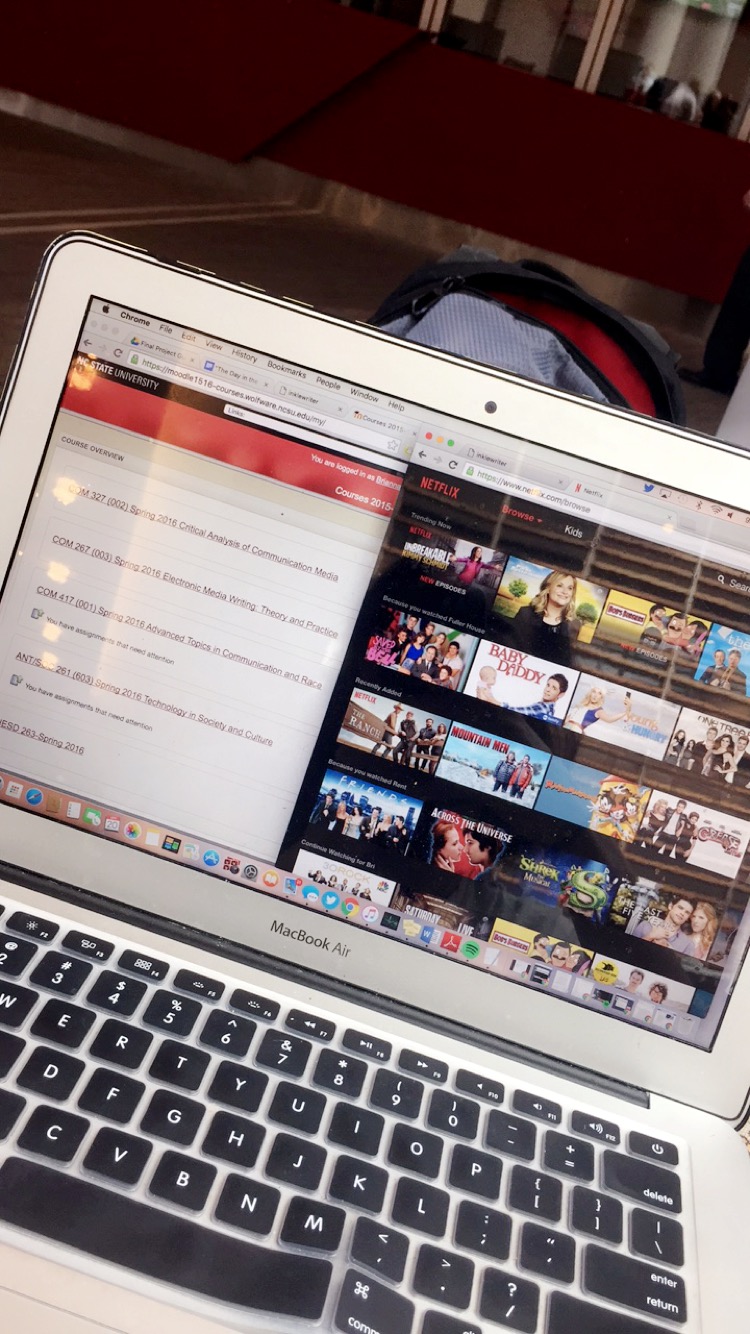
I subscribe to enough streaming services that my bank statement resembles a minor media conglomerate. The promise was irresistible: cinema from everywhere, television without schedules, obscure documentaries beside blockbuster series, and the freedom to choose. Technically, that promise has been fulfilled. My television contains more moving images than any human life could absorb. Yet most evenings the home screens offer variations of the same proposition: a grim crime series, a familiar franchise, a celebrity documentary and an aggressively cheerful romantic comedy whose poster has been tested within an inch of its life.
The paradox of streaming is that abundance has not produced proportionate adventurousness. It has produced anxiety, then outsourced the solution to recommendation systems. Those systems do not need to censor unusual work. They merely need to place it four rows lower. We still possess “choice”, in the way a supermarket containing ten thousand items offers choice while placing profitable cereal at eye level. The interface is an editor that denies being one.
The algorithm knows behaviour, not desire
A platform can know that I finished three murder mysteries. It cannot know whether I finished the third because I loved it, because I was folding laundry or because exhaustion defeated my standards. Completion is not appreciation. A pause may indicate fascination or a phone call. Data is useful, but the confidence with which platforms translate behaviour into taste is absurd. Their recommendations often describe the person I became during one tired weekend and then keep serving her back to me.
Netflix’s global success has demonstrated the appetite for stories crossing language barriers, and trade reporting regularly tracks the company’s growing Indian slate and ambitions. But scale creates its own conservatism. A service seeking engagement across millions of households naturally favours recognisable categories. The language may change while the narrative packaging converges. A Malayalam film, Korean series and Hindi show can all arrive under the same thumbnail grammar: face, weapon, secret. Borderlessness becomes a common marketing template.
I am not nostalgic for cable television. Appointment viewing was inconvenient, censorship arbitrary and access to world cinema uneven. Streaming has allowed Indian viewers to watch regional work without waiting for festival screenings or pirated discs. It has also given filmmakers alternative routes around theatrical gatekeeping. Those are profound gains. My concern is that we mistake availability for discovery. A film existing somewhere in a catalogue does not mean viewers can meaningfully find it.
India’s thriller addiction is partly industrial
Why does every other Indian streaming pitch appear to contain a cop, gangster, spy or concealed corpse? Thrillers travel efficiently. They create episode-end hooks, tolerate variable attention and produce trailers with immediate stakes. Crime also offers a convenient way to gesture toward social reality without sustaining a political argument. Corruption, caste, gender violence and inequality become atmosphere around a puzzle. The viewer receives darkness without necessarily receiving insight.
I enjoy thrillers; the problem is monoculture. India contains comic traditions, workplace absurdities, family forms, musical cultures, speculative futures and histories barely touched by mainstream screens. Yet platforms often commission regional specificity only when it can be fitted into an internationally familiar genre. The town may be distinctive, but somebody still has to disappear in episode one. Local colour becomes wallpaper for a standard binge mechanism.
Theatrical Hindi cinema’s risk aversion and streaming’s early freedom once appeared to be opposites. They now increasingly share talent agencies, stars, production houses and assumptions. A project is packaged through known names; the platform calls it “bold” because it contains profanity or nonlinear editing; marketing peaks over a weekend; then the title sinks beneath the next release. The word content is brutally accurate. It describes material used to keep a pipe full.
What strikes me is how little cultural memory this system builds. A weekly television show could become part of household routine; a theatrical film occupied public space through songs and conversation. Streaming hits can be enormous yet strangely evanescent. We watch eight episodes, discuss an ending for forty-eight hours and forget most character names. The platform benefits if our satisfaction is incomplete because the next thumbnail is waiting. Enduring attachment is not necessarily the optimal metric.
Recommendation should include productive surprise
A good librarian does not only hand me books resembling the last book I borrowed. She notices an adjacent curiosity and risks a suggestion. Platforms could design for that kind of surprise. They have extraordinary metadata, translation capacity and access to viewing histories. A small portion of every home screen could deliberately escape predictive similarity: one restored classic, one regional comedy, one documentary from a subject the viewer has not encountered. Serendipity can be a product feature.
Human curation should also return visibly. Critics, filmmakers, actors and scholars could assemble rotating collections with explanatory notes. MUBI has long understood that limitation and context can make a catalogue feel larger, not smaller. Mainstream services occasionally create collections but often bury them beneath promotional priorities. I want to know why a film matters, what tradition it belongs to and what I might notice. A percentage score is not criticism.
Translation remains the quiet revolution that deserves further investment. Subtitles should be accurate, readable and sensitive to register. Dubbing should not flatten every region into generic metropolitan Hindi. Credits for translators should be prominent. The global circulation of Korean and Spanish-language work was not achieved by telling audiences that subtitles were too demanding. Indian platforms possess dozens of linguistic cinemas; treating translation as infrastructure could enlarge domestic audiences without diluting identity.
Producers, meanwhile, need room to make series of the length a story requires. The eight-episode template has become a superstition. Some ideas need four hours; others need twelve. Episodes do not all need identical duration. Streaming liberated schedules only to invent new rigidities based on completion data. Form should follow dramatic rhythm. Otherwise, every limited series develops the same sagging middle in which a subplot politely waits for the finale.
We also have to become better viewers
It is convenient to blame algorithms while surrendering every choice to them. I do it too. We can search for filmmakers, follow critics outside promotional circuits and sample work before dismissing it as “slow”. We can resist watching something merely because everyone else is watching it badly. Attention is a habit. If I spend months selecting only frictionless entertainment, the platform is not irrational to offer more of it.
Still, individual discipline cannot solve industrial visibility. Platforms decide acquisition, placement, renewal and marketing. They should be more transparent about what constitutes success, especially when creators learn of cancellation without understanding the evidence. A show that builds slowly may have cultural value beyond immediate completion. Libraries need backlists, not only launch weekends. If everything must justify itself as a fresh subscriber acquisition tool, streaming will reproduce the opening-weekend obsession it claimed to escape.
The counterargument says platforms are businesses, not cultural ministries. Of course. But differentiation is also a business strategy. When every service offers interchangeable dark dramas and franchise debris, consumers rotate subscriptions or cancel them. A distinctive editorial identity can produce loyalty. The service that reliably helps me find something surprising becomes more valuable than the one boasting the largest numerical catalogue. Taste is not incompatible with commerce.
Streaming has changed what Indians can watch, and I would not trade that access away. I have discovered films from languages I do not speak, revisited classics and watched small documentaries that no nearby theatre would book. My frustration comes from knowing how much more the technology could do. A borderless library should expand imagination, not merely optimise retention. The next great step is not another mountain of titles. It is an interface brave enough to admit that viewers sometimes want to become different from the person their data predicts.