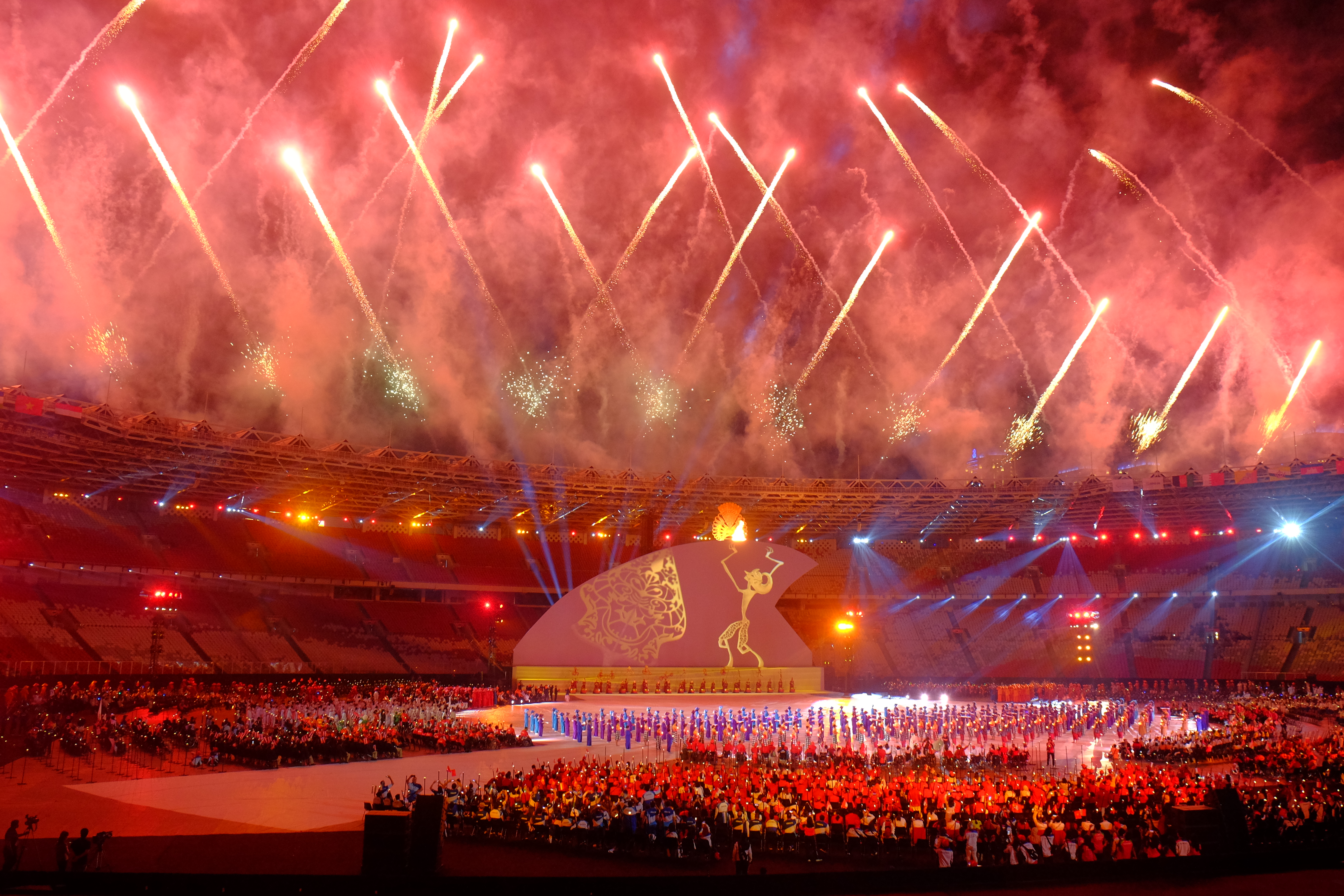
Every multi-sport event gives India the same flattering illusion: that we are a nation of devoted sports lovers. For two weeks, people who could not have named a race walker on Monday become furious experts in judging criteria by Friday. Medal graphics bloom across social media, ministers post congratulations, and broadcasters discover the phrase “historic campaign.” Then the flame goes out and cricket resumes its natural function as weather, wallpaper and national operating system.
I enjoy the enthusiasm. I do not enjoy the amnesia.
The Aichi-Nagoya Asian Games are not a side dish to whichever cricket series happens to occupy the same calendar. The range of disciplines is the story: Indian athletes arrive through radically different sporting economies, some supported by professional systems and others by families, employers, federations and stubbornness held together with tape.
Even before the first event, those differences shape what success can mean. One athlete may have a dependable competition calendar, specialist coaching and access to recovery staff. Another may spend the season negotiating leave from work, finding suitable places to train or wondering whether the next tournament will be funded. When both appear in the same medal table, the neat columns conceal more than they reveal. We see a result; we do not see the unequal distance travelled to reach it.
The public conversation conceals those differences too. We use “athlete” as though it describes a single profession with a standard career path. It does not. The demands placed on a shooter are not those placed on a distance runner, and the route available to a badminton player may bear little resemblance to the route available to a rower. Serious attention begins by recognising those distinctions instead of flattening every story into hardship, glory or disappointment.
My argument is not the familiar plea to “celebrate all sports.” Celebration is cheap. I want attention to behave like infrastructure. I want editors, sponsors and administrators to stay interested when there is no medal photo available.
A medal is the end of a long sentence
We usually encounter a non-cricket athlete at the punctuation mark. The medal arrives, and suddenly a life is compressed into a heroic montage: modest beginnings, sacrifice, national flag, swelling music. What disappears is the grammar—the coaching changes, competition access, recovery support, equipment costs, selection uncertainty and months spent travelling without anyone asking how the athlete is doing.
This is why medal-count discourse irritates me even when India is winning. A tally is a useful record, not an explanation. It tells us where athletes finished. It does not tell us whether the system that produced them is broad, stable or fair. One exceptional athlete can disguise a weak pipeline just as one failed campaign can obscure years of competent work. Yet we immediately convert every result into a verdict on “Indian sport,” as though archery, weightlifting, athletics, kabaddi and badminton share one administrative bloodstream.
That distinction matters because a medal can coexist with institutional failure. An athlete may succeed despite uncertainty rather than because a system has become reliable. Equally, a medal-less season can contain evidence of progress: stronger domestic competition, younger athletes approaching international standards, better coaching continuity or more competitive performances against established opponents. If our only vocabulary is gold, failure and redemption, we will miss the work that determines whether success can last.
These sports do not share one administrative bloodstream. The least we can do is discuss each on its own terms. A wrestling defeat is not automatically evidence of weak mentality. A fourth-place finish is not a moral failure. A gold medal does not prove that the federation behind it has become competent.
If coverage appears only when victory is already assured, journalists cannot build the knowledge required to judge those questions. They will know the medal colour but not the field, the tactics or the selection debate that preceded it. That produces shallow praise after wins and shallow outrage after losses. Both responses may generate noise, but neither gives audiences a reason to understand the sport or gives administrators reason to expect sustained scrutiny.
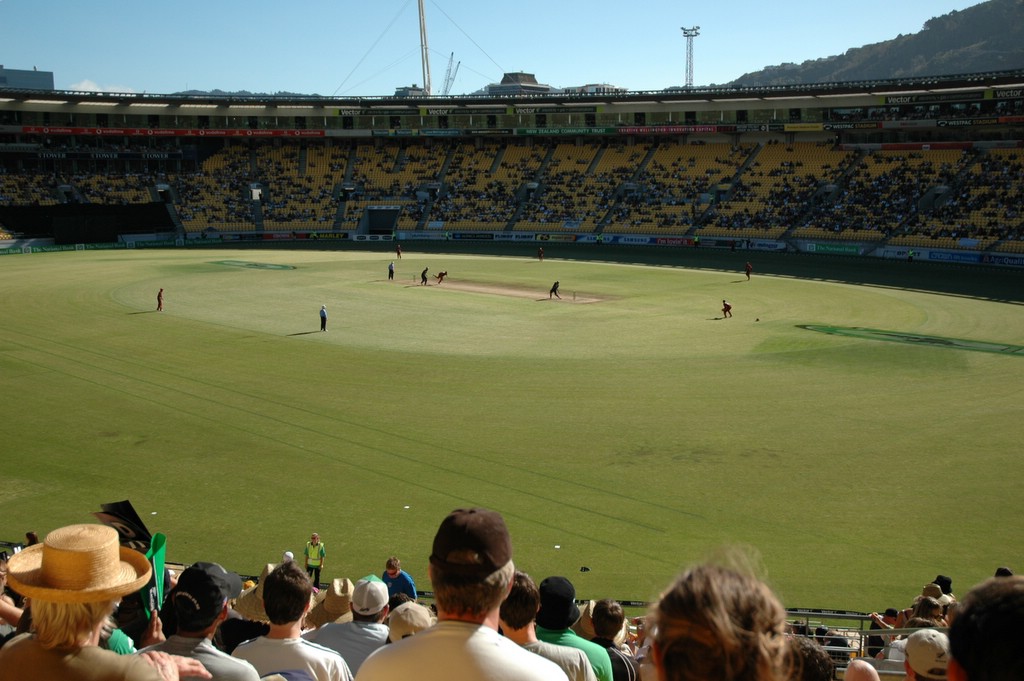
I also reject the consoling claim that audiences simply demand cricket and media companies merely obey. Demand is cultivated. Cricket is available before breakfast, analysed through lunch and repackaged by dinner. Its domestic players become familiar faces before many non-cricket champions receive a proper interview. If you give one sport year-round storytelling and another ninety seconds every four years, you cannot later point to audience familiarity as a law of nature.
Editors often defend this imbalance with immediate audience numbers. I understand the commercial pressure, but familiarity accumulates. Rivalries become compelling because someone explains their history. Young prospects become recognisable because audiences encounter them before the biggest final. A domestic championship acquires consequence when coverage connects it to selection, form and the next international test. No sport arrives with a fully formed audience. Cricket’s enormous following is real, but its constant visibility helps reproduce that following every day.
The years between Games are the real test
The empty years on the public calendar are not empty for athletes. They contain qualifying events, rehabilitation, changes in technique, disputes over selection and the ordinary repetition on which elite performance depends. This is where a sporting culture proves whether it cares about sport or merely likes national celebration. I want to know who is improving, who has lost support, which domestic events matter and whether promising juniors can make the transition to senior competition.
Administrators should be judged during those years as well. It is too easy for officials to appear beside a medal and disappear when athletes encounter confusing trials, delayed decisions or inaccessible information. Federations do not need to manufacture constant publicity, but they should publish clear calendars, results, selection rules and explanations of major decisions. Basic transparency would help athletes plan, help journalists report and help supporters follow a season without relying on rumour.
Sponsors also have a choice. They can treat an athlete as a temporary patriotic image, activated after success and abandoned when the attention moves elsewhere. Or they can help audiences understand a competitive journey. A campaign built around a season, a rivalry or a return from injury gives supporters a reason to remain invested. It also allows an athlete to be seen as a professional with a craft, not merely as a symbol summoned whenever the country wants to feel proud.
None of this requires pretending that every tournament will attract a mass audience. Sporting ecosystems need layers. Some events will fill arenas; some will be watched by smaller, knowledgeable communities. A healthy culture allows those communities to grow instead of treating anything below blockbuster scale as proof of failure. The relevant question is not whether every sport can imitate cricket. It is whether each sport can build a stable public life suited to its own calendar and character.
Stop making athletes audition for basic curiosity
What would better attention look like? Not compulsory reverence, certainly. Athletes do not need protection from criticism. They need informed criticism: discussion of tactics, selection and performance that assumes their sport is worth learning. The quickest way to patronise a champion is to ask only about sacrifice and patriotism while ignoring technique.
Broadcasters should commit to regular windows for national championships and international circuits, with commentary that teaches without condescending. Newsrooms should retain beat knowledge rather than parachuting generalists into medal events. Sponsors should build campaigns around seasons and rivalries, not merely the face that happened to trend after a final. Federations, for their part, must make schedules, results and selection policies easy to find. Visibility cannot depend entirely on athletes becoming their own exhausted social-media departments.
And cricket’s administrators should resist treating every open date as territory to occupy. I like cricket. I know its rhythms, its pleasures and its astonishing hold on this country. But abundance has become entitlement. When a bilateral match and an Asian Games final compete for attention, the scheduling problem is not proof that other sports are unmarketable; it is proof that nobody with power felt obliged to protect their space.
Fans have responsibilities too. We cannot complain about inadequate coverage while refusing to watch anything that lacks a familiar celebrity. Pick one sport and follow it beyond the Games. Learn when its national championships happen. Watch an athlete lose before demanding that she win for you. Curiosity is not charity; it is the beginning of sporting literacy.
That literacy changes the quality of support. It allows us to distinguish an upset from an expected result, a brave performance from a tactical mistake and a genuine breakthrough from an inflated claim. It also permits disappointment without cruelty. Once athletes are understood as competitors rather than medal-delivery systems, a loss can be analysed without being converted into a judgment on their patriotism or character.
What strikes me at every Asian Games is not that India suddenly becomes a multi-sport nation. It is that the country briefly sees the multi-sport nation that already exists. The runners, shooters, paddlers, lifters, wrestlers, archers and players were here before the opening ceremony. They will still be training after the closing montage has been replaced by a cricket promo.
I do not want them to earn our attention again at the next medal ceremony. The medal is theirs. The attention is our test.