I review phones with a mildly antisocial question: what will this thing be like after the launch event has forgotten it? The stage lighting cannot show a swollen battery in year three, a scratched camera cover, a charging port packed with pocket lint or the quotation from an authorised service centre that makes a new phone look economical. Ownership begins where the keynote ends.
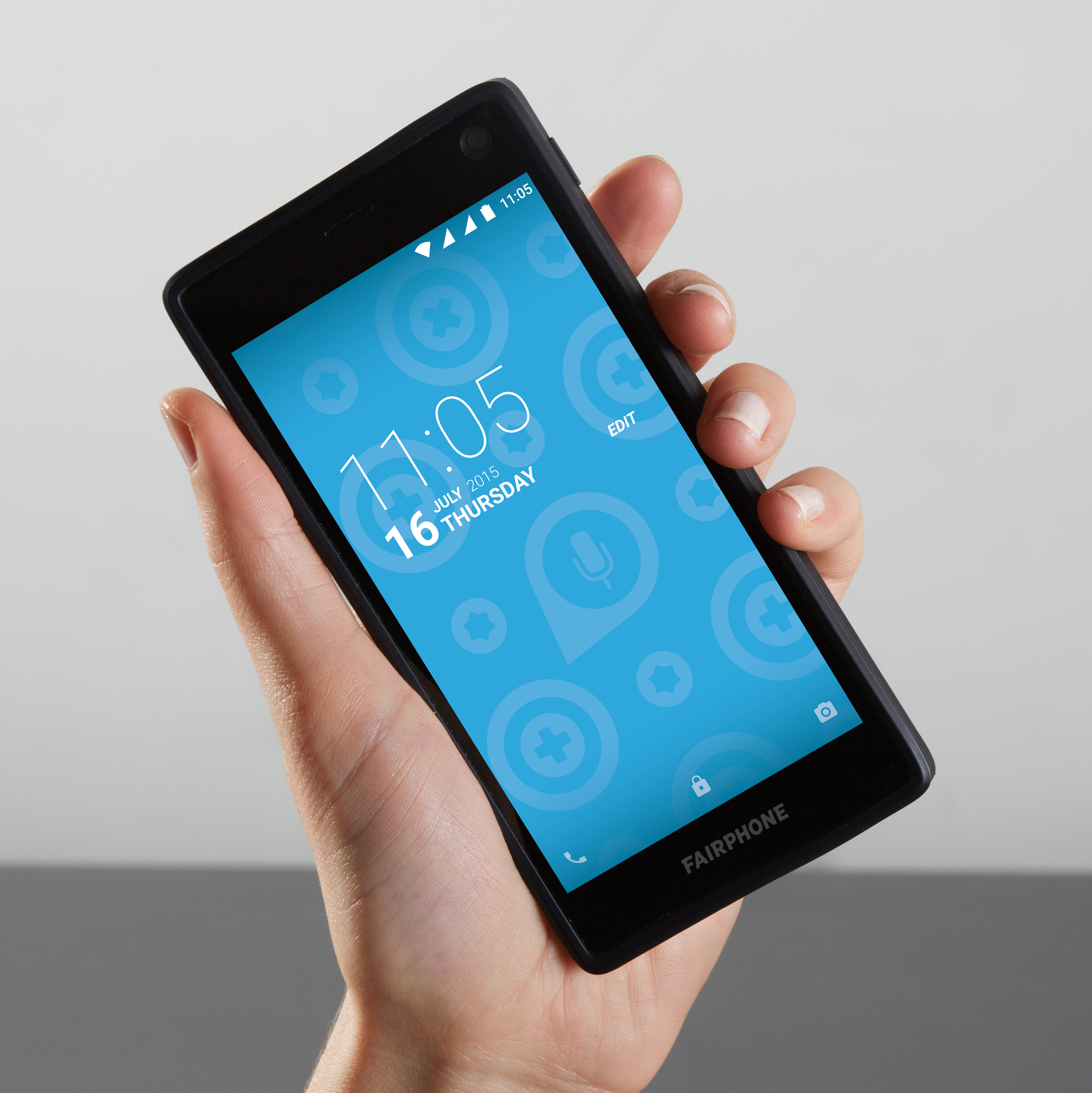
That is why the Fairphone 6 interests me more than another flagship adding a sliver of benchmark performance. Its central proposition is not that hardware never fails. It is that failure should be anticipated and repair should be designed, documented and supported. A buyer can replace key modules rather than surrender the whole device to adhesive, logistics and opaque labour charges.
Indian buyers should not rush to import it. Network compatibility, warranty, parts availability, taxes and local service can turn an ethical purchase into an impractical one. My argument is not that Fairphone has solved India. It is that Samsung, Apple, Google, OnePlus and every brand selling premium phones here should be embarrassed that a small manufacturer can make long ownership a product feature while they still treat it mainly as a software promise.
Seven years means hardware too
The manufacturer’s Fairphone 6 product page sets out its modular design, replaceable components and long software-support ambition. Those claims matter because support is a chain. Seven years of updates are less useful if a tired battery becomes expensive or unavailable in year four. Conversely, a replaceable battery is not enough if security patches stop and banking applications become risky.
Mainstream brands have improved update policies dramatically. That deserves recognition. Long OS and security commitments have turned some expensive Android phones from two-year anxieties into plausible long-term devices. But the physical product has not always caught up. Glass backs, strong adhesives and paired components can make a routine repair a specialist operation. Water resistance is cited as the reason, though repairable products increasingly show that durability and access need not be absolute opposites.
A modular phone has trade-offs. It may be thicker. It may not win camera comparisons or performance charts at its price. Small-scale production raises costs. Components stocked for years tie up capital. I accept all of this. The point is not that every phone must copy one engineering layout. The point is that premium design should include the expected cost and possibility of keeping a device functional.
Indian conditions strengthen the case. Heat accelerates battery wear. Dust and rough commuting test ports and seals. Phones are passed within families and resold into a vast second-hand market. A replaceable battery does not serve one idealistic first owner; it can extend useful life across several owners. That is environmental policy with a resale value.
The Indian service-centre lottery
Spec sheets are national; after-sales service is local. A phone can be excellent in a Delhi review unit and miserable to own in a tier-two city where the nearest authorised centre lacks parts. Brands advertise service networks by counting locations, but the useful metrics are turnaround time, first-time fix rate, part availability and total price. Those numbers are rarely prominent.
Before buying, I tell people to check the price of a battery, display and back panel. This simple exercise often reveals more than a camera shootout. Some brands publish spare-part prices; others require a visit or chat. Labour and taxes may be unclear. A buyer who can compare processors in ten minutes should be able to compare likely repair costs just as easily.
India’s Right to Repair portal is a useful statement of direction, bringing repair information from participating companies into one place. But a portal is the beginning, not the right itself. Genuine repairability requires accessible manuals, diagnostic tools, fair part pricing, independent repair options and designs that do not punish opening the device unnecessarily.
I am not romantic about every neighbourhood repair shop. Poor-quality batteries and careless sealing can be dangerous. Authorised standards have value. Yet the answer cannot be a closed system in which only the manufacturer controls diagnosis, part supply and price. Certification, training and genuine components can widen safe repair without pretending all work is equivalent.
Stop calling replacement an upgrade
Phone marketing survives by turning impatience into inadequacy. A slightly faster chip, brighter display or new camera mode makes last year’s device feel deficient even when it performs every daily task. Reviewers participate by discussing “upgrade cycles” as if replacement were a season rather than a choice.
For most Indians, a quality mid-range or flagship phone is already powerful enough for messaging, payments, navigation, photographs, video and work. The meaningful improvements over two years are often battery health, storage management and software refinement. None makes a dramatic billboard. A fresh battery can transform daily experience more than the newest processor, which is precisely why repair should be easy.
There is an economic objection. If people keep phones longer, sales slow, retail jobs suffer and innovation loses funding. I find this overstated. Manufacturers can earn from parts, service, accessories and certified refurbishment. Consumers who trust a brand’s support may pay more and return later. Innovation that depends on prematurely retiring functional products is not especially impressive innovation.
Repairability also disciplines design. A replaceable camera or USB port requires engineers to think about interfaces, documentation and disassembly. Those choices can improve manufacturing and refurbishment. Not every module needs consumer replacement; some work belongs with technicians. What matters is that replacement is feasible without destroying adjacent parts.
What I would actually buy
If the Fairphone 6 lacks official Indian distribution and support, I would not tell an ordinary buyer to import it as a primary phone. Enthusiasts can calculate the risks; families who depend on one device need local warranty and parts. A principled object stranded abroad for repair is not sustainable ownership.
I would instead use its example to interrogate phones officially sold here. How many Android upgrades and security years are promised in writing? What is the battery replacement price? Is the battery likely to remain available after five years? Does the company publish repair costs? Is there a competent service centre nearby? Can the device retain water resistance after authorised repair? Does the brand support resale or refurbishment?
I would also choose storage with longevity in mind. A phone that cannot accommodate years of photographs and app growth may be replaced while otherwise healthy. Cloud storage helps but introduces subscription cost and connectivity dependence. Paying for sensible storage upfront can be cheaper than upgrading early, though brands strategically price capacity tiers to make the decision painful.
Cases and screen protectors remain unglamorous but effective. So does charging discipline in extreme heat. Long ownership is partly designed by the manufacturer and partly practised by the owner. The balance, however, is unequal: no amount of care can create a spare battery the brand stopped supplying.
The Fairphone 6 will not dominate Indian sales, and its compromises deserve ordinary scrutiny rather than moral exemption. A repairable phone with a mediocre camera is still a mediocre camera for someone who values photography. Ethics does not eliminate preference.
But it changes the questions. The best phone is not automatically the one that tops a benchmark on launch day. It may be the one whose battery, screen and port can be restored at a known price years later, while software support continues. Indian buyers already practise longevity through repairs, hand-me-downs and resale. The mainstream industry should design for the behaviour of its actual customers instead of selling disposability wrapped in premium aluminium.