
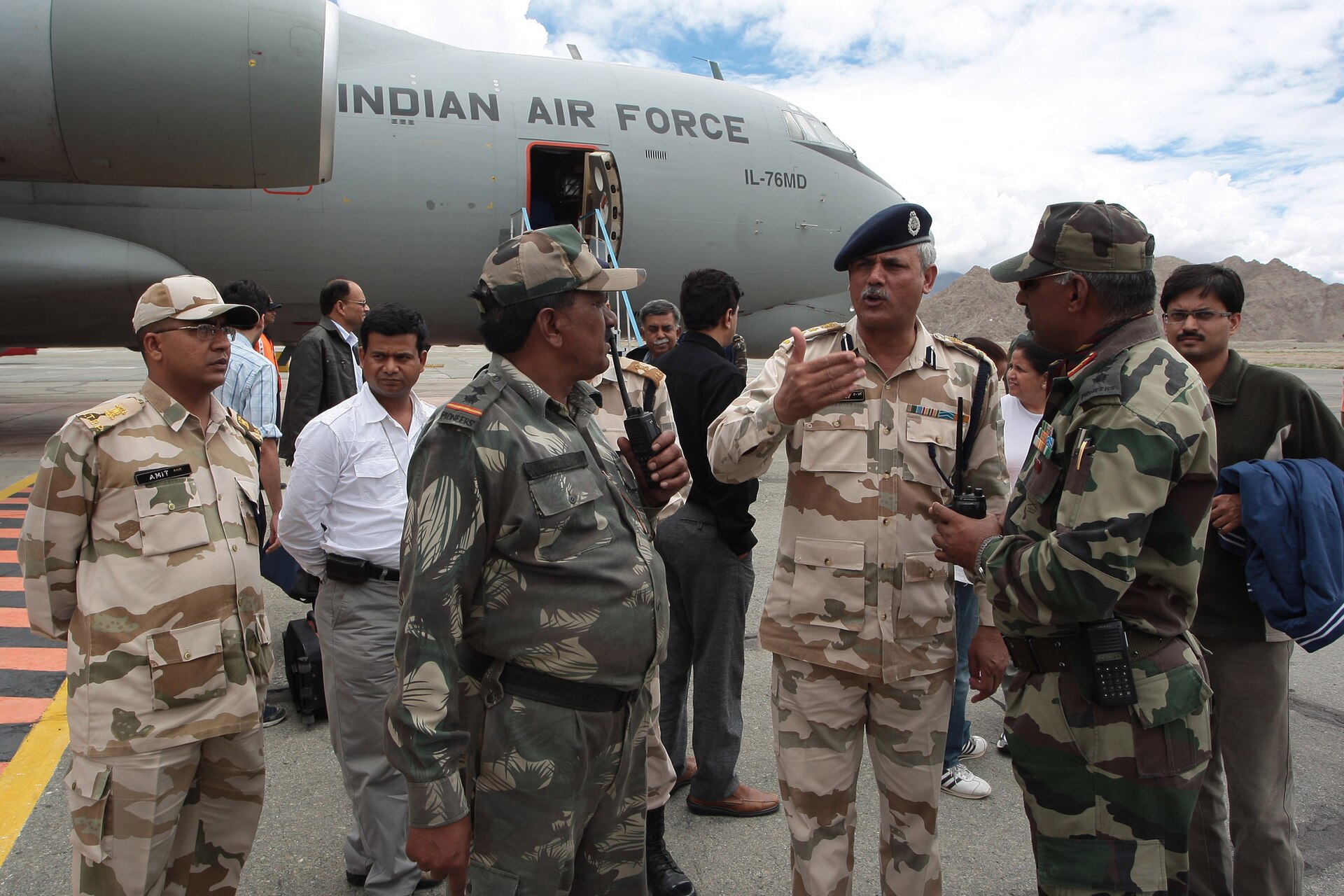
An Indian Air Force IL-76 landed at 13,629 feet in Ladakh, an achievement reported as a world record and included in the 8 November news digest. The IAF’s own public information and aircraft material can be found through its official website. Predictably, the internet converted the event into a poster before most people had learned why landing a heavy transport aircraft at high altitude is difficult.
This is how modern patriotism often treats engineering. A number appears, a flag waves, music swells and the humans who planned the operation disappear behind adjectives. “Historic” does all the work. We are expected to feel proud without becoming curious, as though curiosity might dilute pride rather than make it intelligent.
I prefer the actual story: thin air, a large Soviet-designed transport, limited margins, a remote landscape and a team required to turn calculations into a safe landing. It is more impressive than the graphic because reality contains risk, preparation and consequences.
Altitude changes the ordinary rules
At high elevation, lower air density affects lift, engine performance and aircraft handling. The aircraft needs more speed relative to the ground for the same aerodynamic effect, while engines and braking operate within a demanding environment. Runway length, surface condition, temperature and wind become central rather than incidental.
The IL-76 is not a small utility aircraft hopping onto a mountain strip. It is a strategic airlifter built to move substantial loads. Bringing such an aircraft into a high-altitude location expands what can be transported and how quickly, but it also requires disciplined assessment of weight and performance.
I am deliberately avoiding invented operational detail. Public reporting establishes the landing and altitude; it does not entitle a columnist to manufacture the cargo, crew conversation or classified purpose. Indian defence commentary has a bad habit of filling silence with confident fiction, then calling it analysis.
What can be said safely is that heavy-aircraft access changes logistics. Mountain regions punish every kilogram moved by road. Weather and terrain extend timelines. An airlift option can support personnel, equipment, disaster response and infrastructure in ways that a celebratory video cannot show.
The anonymous competence is the point
Hero stories usually select one face. Aviation achievements resist that simplicity. Pilots execute the operation, but meteorologists, engineers, air-traffic personnel, ground crews, planners and runway teams construct the conditions under which execution is possible.
A tyre-pressure error, inaccurate weather assessment or maintenance oversight does not become less dangerous because the mission is patriotic. The achievement therefore represents a culture of checklists and cross-checks—the least cinematic and most valuable form of professionalism.
India often celebrates improvisation. We adore the person who solves a crisis with ingenuity, preferably using an object not designed for the purpose. Aviation offers the opposite moral: do not create the crisis. Anticipate it, calculate margins, reject unsafe shortcuts and let success look uneventful.
The safest landing video may appear boring. The aircraft approaches, touches down and slows. No dramatic wobble, no last-second rescue. That apparent simplicity is manufactured through work. Competence is the art of removing spectacle from a spectacularly difficult task.
A record is useful only if capability follows
I am wary of records because governments, companies and media organisations love the part that fits into a headline. Highest, longest, fastest and first are frictionless forms of significance. They do not necessarily tell us whether an achievement can be repeated, integrated into operations or maintained affordably.
The meaningful questions begin after the landing. Under what range of conditions can heavy transport operations occur? What infrastructure and maintenance support are required? How does the capability fit alongside smaller tactical aircraft and ground logistics? Records make news; systems make capacity.
This does not diminish the first achievement. It locates its value. If the landing validates planning, infrastructure and aircraft performance that can support future operations, the altitude number is a marker of capability. If it remains an isolated demonstration, it is still impressive but less consequential.
The distinction applies far beyond defence. India announces a prototype and speaks as if an industry exists; opens one facility and speaks as if a network exists; sets a record and speaks as if routine capability exists. We should celebrate milestones while refusing to confuse them with mature systems.
Ladakh is not an empty backdrop
The imagery of aircraft against Himalayan terrain invites another simplification: the frontier as a magnificent vacant stage. Ladakh is inhabited, environmentally fragile and logistically difficult. Military and civil infrastructure shape local life, employment and ecology. Any discussion of expanded access should remember the ground is more than scenery beneath a strategic map.
High-altitude infrastructure can also support disaster relief and emergency response. Roads close, weather isolates communities and medical evacuation becomes urgent. Military logistics frequently carry dual-use potential, though one should not romanticise every strategic investment as humanitarian policy.
The environmental cost of construction and heavy operations deserves sober assessment. Strategic necessity does not abolish ecology; it makes careful planning more important. Fuel handling, waste, noise and land disturbance matter acutely in landscapes slow to recover.
Again, nuance need not cancel admiration. Adults can hold two ideas: India requires credible high-altitude logistics, and fragile mountain regions require protection. The internet’s preferred options—uncritical chest-thumping or reflexive suspicion—are mostly methods for avoiding thought.
The story we nearly scrolled past
What delights me, in a dry way, is that an achievement involving hundreds of tonnes of machinery and years of accumulated expertise competes online with celebrity airport photographs. The algorithm does not recognise difficulty; it recognises engagement. A heavy aircraft landing safely may receive less sustained attention than a passenger’s handbag.
Newsrooms should use events like this to explain aviation. Produce diagrams of density altitude, interview retired transport pilots about general principles, show the IL-76’s role without exposing sensitive information and discuss why mountain logistics differ from plains operations. The public is capable of understanding more than adjectives.
The IAF should also publish whatever non-sensitive detail it can. Institutional communication often oscillates between silence and triumphalism. Explanatory material builds durable respect. It lets citizens admire training and engineering rather than merely consume a claim.
I do not need a cinematic recreation. I would happily read a careful account of planning constraints and the decisions that made the mission safely unremarkable. The most interesting sentence might be that a team delayed, recalculated or rejected an earlier attempt. Restraint is often the hidden protagonist in aviation.
The Ladakh landing matters because it compresses a large national capability into one visible moment. But the moment should open our curiosity, not close it. Ask how thin air changes flight. Ask who prepares a runway at that altitude. Ask how machines and people are sustained there after the cameras leave.
Patriotism that cannot survive technical explanation is merely branding. The IL-76 and the people around it deserve better: informed admiration for a hard task completed safely, followed by the unglamorous work of making capability repeatable. The aircraft touched down once. Our attention should do the same.