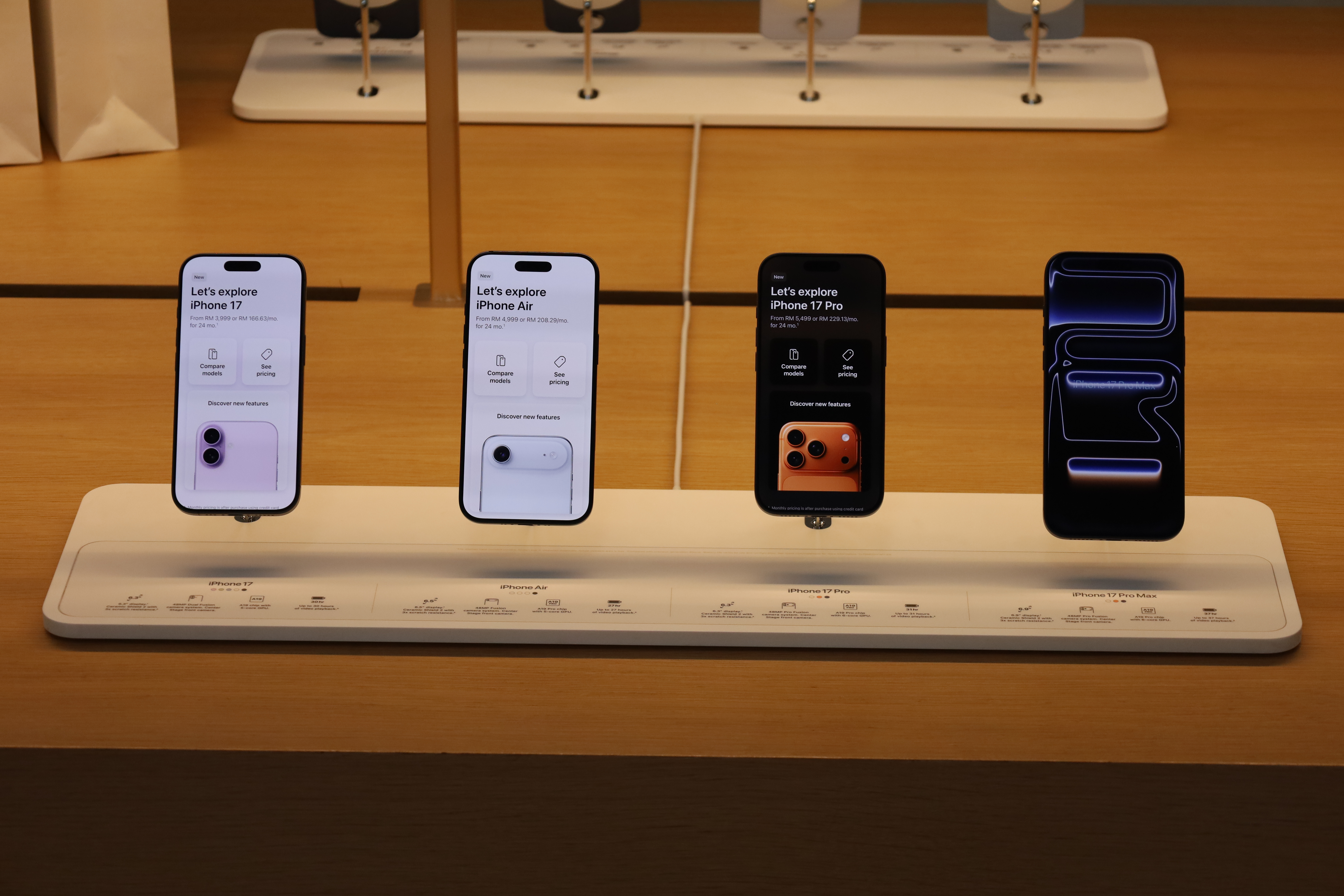
The iPhone 17 is the sort of phone reviewers can praise in forty-eight hours and owners must finance for two years. Those are different products. The launch-day iPhone lives under studio lights, performs benchmark routines and poses beside a coffee cup. The owned iPhone spends August in a hot autorickshaw, survives dusty pockets, hoards WhatsApp media, loses battery capacity and eventually needs service at an inconvenient moment. I judge phones by that second life. On that basis, Apple’s base model looks more sensible than several recent predecessors: the smoother display, strong chip, long software runway and mature accessory ecosystem address things owners notice repeatedly. But “better” is not “necessary.” If your current phone works, the smartest iPhone 17 feature may be the money you keep by waiting another year.
The upgrades that age well
Apple’s launch information lists the larger high-refresh display, A19 processor, revised cameras and a starting storage configuration more appropriate for modern use. I usually roll my eyes at specification recitals, but a 120Hz display on the ordinary model changes daily interaction. Scrolling, animation and touch response feel better every time the screen is used. This is not a camera trick demonstrated twice on holiday. It is a quality-of-life improvement that remains visible after the launch wallpaper has been replaced by an electricity bill.
Starting with more storage also matters in India, where families retain years of photos, school files and forwarded videos while resisting another monthly cloud subscription. Manufacturers treat storage tiers as an upselling opportunity, yet insufficient local space can make a perfectly fast phone miserable. Apps expand, system files fluctuate and high-resolution video consumes capacity without warning. A phone intended to last four or five years should not begin life negotiating which memories deserve deletion. Buyers should still examine their present usage rather than assume more is always needed, but the base model is finally less punitive.
The processor is almost beside the point. Apple’s recent chips have offered more performance than ordinary owners use, and the A19 will not make UPI payments emotionally richer. Its real value is headroom: future operating systems, computational photography and demanding apps should remain comfortable. Sustained performance in Indian heat matters more than a peak score, however. Thin phones throttle, batteries dislike high temperatures and navigation plus 5G plus camera use can turn any flagship into a hand warmer. I would wait for long-term thermal reports before calling the design flawless.
Software support is valuable only when features reach India
Apple’s strongest ownership argument remains software longevity. Its later platform update shows continued support across several generations, although advanced intelligence features remain tied to newer hardware. Security updates, app compatibility and resale value extend a phone’s useful life. This is where a high purchase price can become rational: an expensive device used for five years may cost less annually than two compromised mid-rangers replaced out of frustration.
Yet Indian buyers should read feature footnotes. Software announcements are global theatre; availability depends on language, regulation, hardware and region. Satellite functions, payments integrations, call features and AI tools may not arrive everywhere at once. Hindi support does not cover India’s linguistic diversity, and English-language demos often ignore mixed-language speech common in real households. Never buy a phone for a feature labelled as coming later. Buy what works on the day money leaves your account. Corporate roadmaps do not pay interest on anticipation.
I am also wary of interface redesigns that consume performance while adding translucency no owner requested. A long-supported phone can remain technically eligible and still feel heavier after updates. Apple generally controls hardware and software better than fragmented rivals, but owners should not install major releases blindly on the first evening. Wait for battery and stability reports, back up properly and remember that a security patch is urgent while a visual redesign can survive a fortnight without you.
Ownership costs begin after checkout
The Indian price remains substantial even before a case, charger, protection plan or repair enters the calculation. Apple’s retail expansion and local assembly have improved availability, but neither makes a broken display inexpensive. Buyers should check authorised repair prices, nearby service options and insurance exclusions before choosing colour. A phone is not good value merely because it retains resale value after extracting a painful repair bill in year three.
Battery replacement deserves particular attention. Heavy 5G use, gaming, video and hot charging environments accelerate wear. Owners can protect health by avoiding constant heat, using reliable chargers and not treating every dip below 80 per cent as an emergency. But batteries are consumables. A reasonably priced official replacement after two or three years can transform ownership economics. I would rather see Apple advertise serviceability and turnaround time than another cinematic camera sequence filmed by a crew larger than most weddings.
Network behaviour also separates review units from real phones. Indian 5G coverage varies building by building, and a device aggressively hunting for signal can drain power. Dual-SIM users should test their specific carrier combination. Call reliability, hotspot stability and modem efficiency rarely dominate launch coverage because they are difficult to dramatise, yet they determine whether a phone functions as infrastructure. Before buying, ask owners on your networks in your city, not an influencer testing near a sponsored router.
Who should actually buy it?
An owner of an iPhone 13 or older with a tired battery may find the cumulative improvements meaningful: display smoothness, cameras, efficiency, storage and years of remaining support. Someone using a recent Pro model should keep it unless weight, repair or battery problems justify change. An iPhone 16 owner upgrading annually is purchasing novelty, which is allowed, but should not be confused with need. The environmental language surrounding durable products sounds hollow when marketing encourages perfectly functional phones to feel obsolete every September.
Android buyers have alternatives with faster charging, more flexible file handling and aggressive pricing. Some promise long update periods and offer excellent hardware below Apple’s level. The decision depends on ecosystem, service access and habits rather than benchmark victory. If your family uses FaceTime, shared albums, Macs and AirPods, switching costs are real. If you value repair choice, sideloading or rapid charging, Apple’s control may irritate you daily. No review score can average away those preferences.
My recommendation is deliberately boring: hold the iPhone 17 in a shop, check storage on your current phone, inspect battery health, price the exact configuration and calculate cost over four years. Add accessories and likely battery service. Then compare it with keeping your phone for twelve more months. Discounts after the launch season often improve the equation, while first-day ownership mostly buys the privilege of discovering bugs early.
The iPhone 17 seems designed to age better than the base models Apple once hobbled to protect the Pro line. That deserves credit. The smoother screen and sensible capacity are not gimmicks; they correct long-standing compromises. Still, a durable phone must be purchased with durable behaviour. Keep it, maintain it and resist the annual performance of dissatisfaction. The best technology disappears into routine. If the iPhone 17 is still fast, supported and physically intact after years of Indian summers, crowded trains and family group chats, it will have earned its price. No keynote can establish that in ninety minutes.