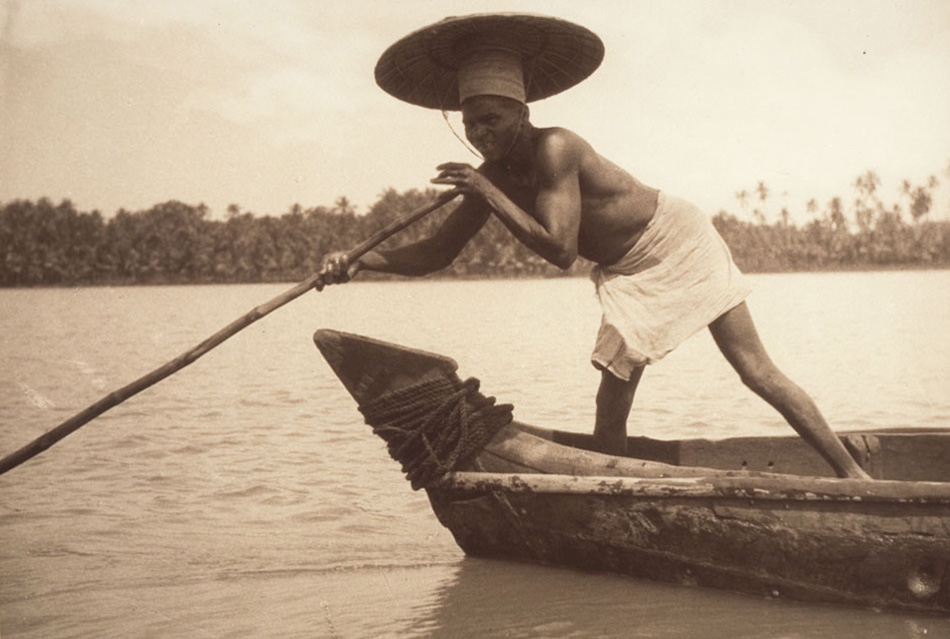
A library boat gliding through Kerala’s backwaters sounds almost too photogenic to trust. It invites the usual soft-focus story: books stacked beside a window, children waiting at a jetty, literacy floating serenely through coconut reflections. I am susceptible to the image. I am also wary of turning public service into scenery.
What matters about a boat that carries books to water-linked communities is not its charm. It is the institutional decision hidden underneath: geography should shape delivery. If people live across islands, canals or flood-prone stretches, insisting that access begins at a fixed building places the burden on the reader. A mobile library reverses the journey. The institution travels.
That sounds obvious, yet much of modern public service is designed around the convenience of its provider. Forms are online even when connectivity is weak. Offices open during working hours. Libraries are inaugurated in central locations and judged by the number of books purchased rather than the number of lives entered. The boat is a small rebuke to all of that. It asks where readers are and what route reaches them.
Mobility is not a gimmick
Kerala’s public-library culture sits within a long history of local reading rooms, literacy movements and community organisations. The Kerala State Library Council represents the broader institutional network that supports libraries across the state. Mobile and waterborne services make sense within that culture because the library is imagined as a social institution, not merely a room containing inventory.
A fixed library offers depth: more titles, quiet space, reference help, events and a reliable address. A mobile service offers reach. It can visit small settlements on a schedule, circulate requested books and maintain relationships with readers who would otherwise travel considerable time for a limited choice. The two models are complements, not rivals.
The schedule is crucial. A boat arriving unpredictably becomes spectacle; a boat arriving every second Tuesday becomes infrastructure. Readers can finish a book, request another and build the habit of anticipation. Children learn that the institution returns. Trust is repetitive.
Selection matters as well. A few shelves cannot imitate a central collection, so librarians must know users. Malayalam literature, children’s books, exam guides, newspapers, health information and popular fiction may all compete for space. Requests can turn constraint into curation. A circulating catalogue or messaging system can allow books to travel from a larger library on the next run.
I hope the service resists the temptation to stock only improving literature for rural readers. People deserve pleasure. Crime novels, romances, humour and film writing create readers just as surely as textbooks do. A public library should expand taste without behaving like an aunt who has hidden the fun books.
The human being behind the counter still matters
Digital evangelists often speak as if access is solved once a file exists. E-books are valuable, particularly for searchable reference and readers who need adjustable text. But devices, connectivity, payment systems, language catalogues and digital confidence are uneven. More importantly, discovery is social. A librarian who remembers what a child enjoyed can bridge the terrifying space between “I want a book” and thousands of possible books.
India’s national digital initiatives, including the National Digital Library of India, greatly widen access to educational materials. I would put their resources alongside physical outreach, not use one to cancel the other. The boat can become a point for digital assistance—helping users search, download lawful materials or learn basic information skills—while continuing to carry paper that works without battery or bandwidth.
The librarian also notices patterns no dashboard captures. Which student suddenly asks for science books? Which elderly reader needs large print? Which parent wants health information but is embarrassed to request it publicly? Privacy and tact are core library technologies.
Mobile staff need proper employment, training and safety, not romantic praise. Working on water, handling weather, loading books and keeping records requires skill. If the project depends on one heroic individual or irregular donations, it is vulnerable. Human-interest stories love the founder; durable public systems plan for the founder’s leave and retirement.
Floods change the meaning of a library
Kerala’s waterways are beautiful and dangerous. Monsoon flooding can isolate communities, damage collections and disrupt schooling. A boat-based service may have roles beyond ordinary circulation, though safety must always determine operation. It can help distribute verified information, learning materials and forms during recovery, and libraries can preserve local accounts of environmental change.
Books themselves require protection from humidity and water. Sealed storage, ventilation, maintenance and disaster plans are not glamorous, but losing a collection to preventable damp would turn symbolism into waste. Digital catalogues and distributed copies can help, as can choosing robust editions for circulation.
Climate adaptation is often discussed through large engineering. We also need adaptive civic institutions. A library designed for roads alone may fail when roads flood. A health service, school or bank faces similar questions. The floating library demonstrates a mindset: do not wait for geography to become convenient.
There is an environmental responsibility, too. Boats need fuel or electricity, waterways must not be polluted, and routes should be planned efficiently. Solar assistance or electric propulsion may be possible depending on cost and conditions, but shiny technology should not be imposed if it makes maintenance impossible. The sustainable system is the one local operators can keep running.
How not to turn it into a postcard
The fastest way to weaken a beautiful public project is to make it perform constantly for visitors. Officials arrive, photographers rearrange children, and staff lose a working day to proving that they work. Coverage is useful when it brings funds and replication. It becomes extractive when the image travels farther than the books.
Evaluation should be quiet and rigorous: registered readers, repeat borrowing, age and gender reach, requested titles fulfilled, route reliability, cost per visit, lost books, school partnerships and reader feedback. High circulation is not the sole measure. A reference book that helps one student complete an application may matter more than ten casually issued volumes. Numbers require stories, and stories require numbers.
Replication should follow geography. A boat suits backwaters and islands; a van, bicycle, camel or walking librarian may suit another landscape. Copying the photogenic object without understanding the delivery problem produces expensive theatre. The transferable idea is mobility and local design.
Communities should help govern routes and collections. If residents choose timings, volunteer docking space, recommend titles and serve on oversight committees, the service becomes harder to neglect. Participation should not be used to replace public funding; unpaid enthusiasm cannot buy fuel, salaries or books. It can improve accountability.
I keep returning to the child at the jetty because the image does carry truth. Anticipation is part of reading. A book is not simply consumed; it is waited for, entered and returned, sometimes reluctantly. A scheduled library boat makes that private rhythm visible across a community.
Its lesson for the rest of India is not that every district needs a vessel. It is that access is a verb. A building can contain knowledge and still exclude through distance, timing, stairs, language or indifference. An app can contain millions of files and still fail the person who does not know what to search for. Institutions earn relevance by crossing those distances.
I care about this story because it refuses the false choice between tradition and modernity. The boat may use a digital catalogue; the reader may borrow print; the librarian may take requests by phone; the route may follow knowledge older than any map application. The result is neither nostalgic nor futuristic. It is useful.
Public libraries are sometimes defended as monuments to civilisation, which is grand and dangerously passive. I prefer to think of them as circulation systems. Books must move, questions must return, and trust must be renewed. A library that literally unties itself from the shore understands that better than most.