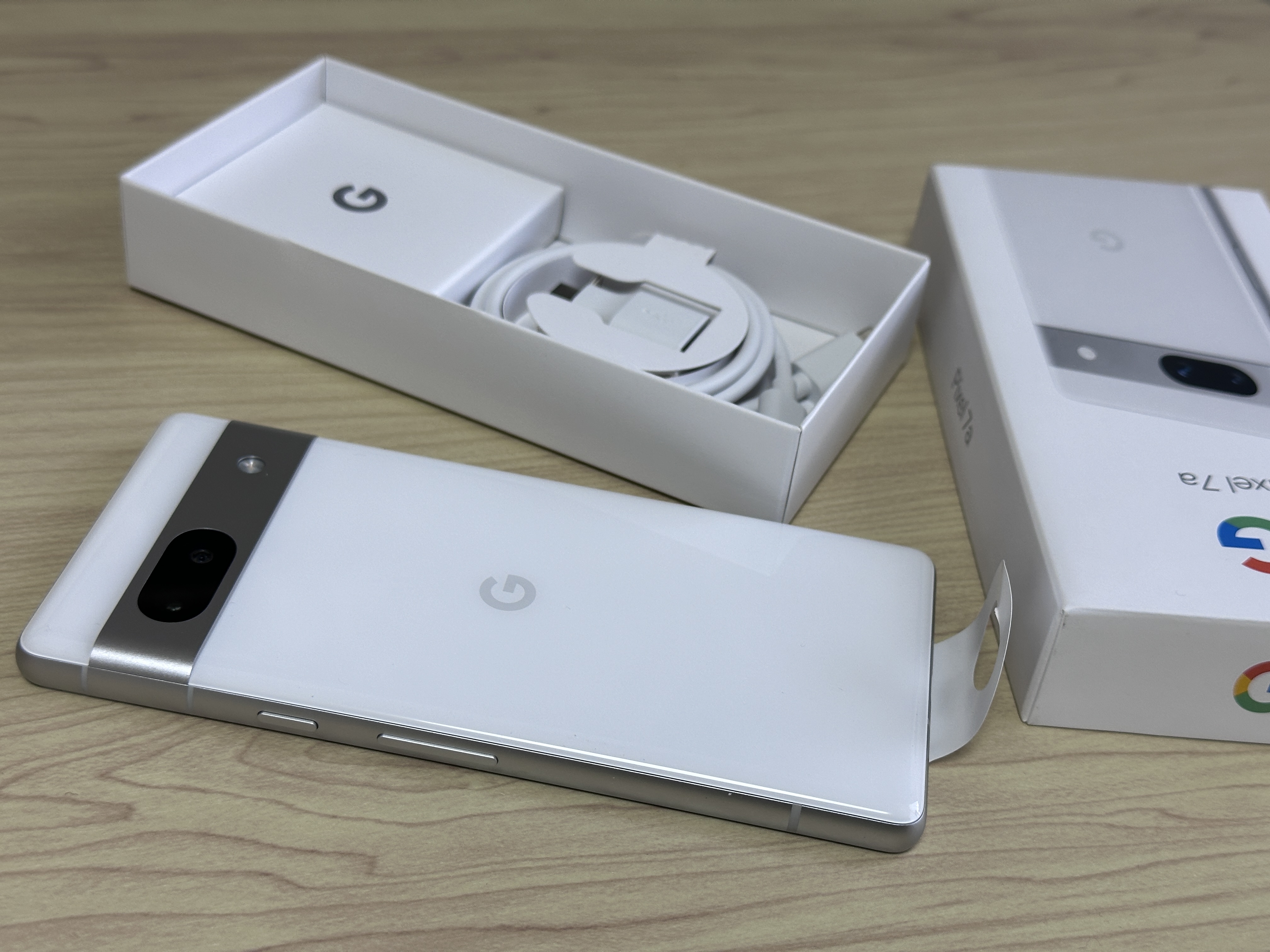
The Pixel 10 is easy to admire in a shop. It has the tidy software, clever camera and polished industrial design that make spec sheets feel briefly irrelevant. Google promises seven years of updates, which is exactly the direction premium phones should take. The company’s Indian product page lists that support alongside the Tensor G5 chip, 12GB of RAM, a telephoto camera and Qi2-compatible magnetic charging. All welcome. But I judge a phone by the second monsoon, the first cracked screen and the afternoon when its battery starts falling from 30 percent with suspicious enthusiasm. In India, a long update promise is only as meaningful as the service network that keeps the hardware alive long enough to receive it.
Specs stop mattering after the return window
Review culture overweights what can be measured in a week: benchmark scores, charging minutes, camera comparisons and peak brightness. Ownership is slower. Does the modem hold a stable connection inside a concrete office? Does the phone throttle during navigation in May heat? Can it survive two years of dust, crowded pockets and erratic chargers? Is the fingerprint reader dependable when your thumb is damp? How much storage remains after system files, WhatsApp and years of photos? These questions are not glamorous, but they determine whether a ₹75,000 purchase feels intelligent or indulgent.
The Pixel 10’s hardware is sensible in several respects. Google’s official specification sheet describes a 6.3-inch display, 4,970mAh typical battery, 256GB storage and 15W Qi2 wireless charging. A smaller flagship with a telephoto lens is rare and useful. The magnetic accessory ecosystem is overdue. Yet Google still asks buyers to accept middling charging speeds and a Tensor platform chosen as much for Google’s software ambitions as for sustained performance. That trade can be reasonable if you value call screening, camera processing and clean Android. It is not automatically reasonable because an AI demo removed a stranger from a photograph.
The camera is the strongest ownership argument
Pixels remain excellent for people who want a reliable photograph without learning a camera interface. Indian scenes are difficult: harsh noon light, warm indoor bulbs, deep skin-tone variation, wedding colours and fast-moving children in imperfect lighting. Google’s computational approach generally produces usable results with little effort. The new telephoto on the standard model makes the camera system more complete. For parents, travellers and people documenting daily life, that is a practical advantage, not a reviewer’s trophy.
But camera praise needs qualification. Computational photography increasingly decides what a memory should look like. Aggressive HDR lifts shadows, sharpening invents texture and portrait modes approximate depth. The result may be striking while differing from the scene. I prefer Google’s restraint to some rivals’ fluorescent greens and porcelain faces, but no phone is neutral. Buyers should examine full-resolution samples, especially faces and indoor motion, rather than accept a brand’s “AI camera” language. Also remember that a camera is useful only if heat and battery permit you to use it. Long video, navigation and mobile data together remain the test no studio launch replicates.
Seven years requires service designed for seven years
This is my central objection. Software support has become a powerful marketing number because manufacturers can announce it once. Hardware support is dispersed and unromantic. It means stocking screens, batteries, ports and camera modules years after launch. It means training technicians beyond metropolitan centres, publishing prices and returning devices when promised. It means data-handling procedures that do not make customers anxious about handing over an unlocked phone. Google says professional care is available, but premium buyers need measurable commitments: city coverage, typical turnaround, part availability and out-of-warranty costs.
A battery will be the most likely obstacle to seven-year ownership. Lithium-ion cells age regardless of moral virtue. If replacement is convenient and sensibly priced, an old phone can gain years. If it requires shipping the device away, uncertain inventory and a bill close to a budget handset, users will upgrade. India also needs a mature official refurbishment path. Trade-ins should not merely funnel working devices into opaque resale channels; manufacturers can certify, re-battery and warranty them. That would make long support environmentally credible rather than a line printed beside annual launches.
AI features have a half-life
Google sells the Pixel as a vessel for Gemini, and some features are genuinely useful. Transcription, spam protection, voice assistance and photo search can reduce friction. Yet buyers should distinguish durable local capability from services dependent on servers, subscriptions, languages and changing product strategy. An AI feature available at launch may be renamed, paywalled or discontinued long before year seven. The company should state which core functions run on-device, which require cloud processing and which may involve paid tiers. Privacy explanations need plain language, especially where calls, screenshots or personal messages become context.
Indian language support will be a better test than another image generator. Voice systems must handle code-switching, accents, names, noisy streets and mixed-script messages. A feature that performs beautifully in a California demo and stumbles on a Hindi-English address is not intelligent in the context that matters to an Indian buyer. Google has formidable language research; the Pixel should demonstrate it in daily utilities, not just presentation slides.
Buy it for the right reason
I would recommend the Pixel 10 to someone who values camera consistency, clean software, compact dimensions and long security support, and who lives within comfortable reach of authorised service. I would not recommend it to a heavy gamer chasing sustained frame rates, a traveller who needs the fastest charging or a buyer stretching the budget because an exchange offer makes the monthly instalment look small. Discounts do not change the cost of repair. Nor should anyone buy it merely to possess the latest AI functions. Most will be entertaining for a week; good call quality and a dependable battery will matter every day.
Wait for street pricing to settle. Buy a case you can grip, not one selected for the logo. Check accidental-damage and repair terms. Keep local backups even if the cloud is convenient. After two or three years, replace the battery rather than the entire phone if service economics make sense. These are boring recommendations, which is why launch coverage rarely includes them.
The Pixel 10 represents genuine progress: the standard model is more complete, support is long and the software remains coherent. My reluctance is not hostility to Google. It is resistance to evaluating a durable object as a festival of first impressions. Seven years is a relationship between hardware, software, parts, technicians and the owner’s patience. Google has made the software promise. Now it must make Indian repair feel equally deliberate. If it does, the Pixel can become the rare flagship whose best specification is not what it does today, but how little reason it gives you to replace it tomorrow.