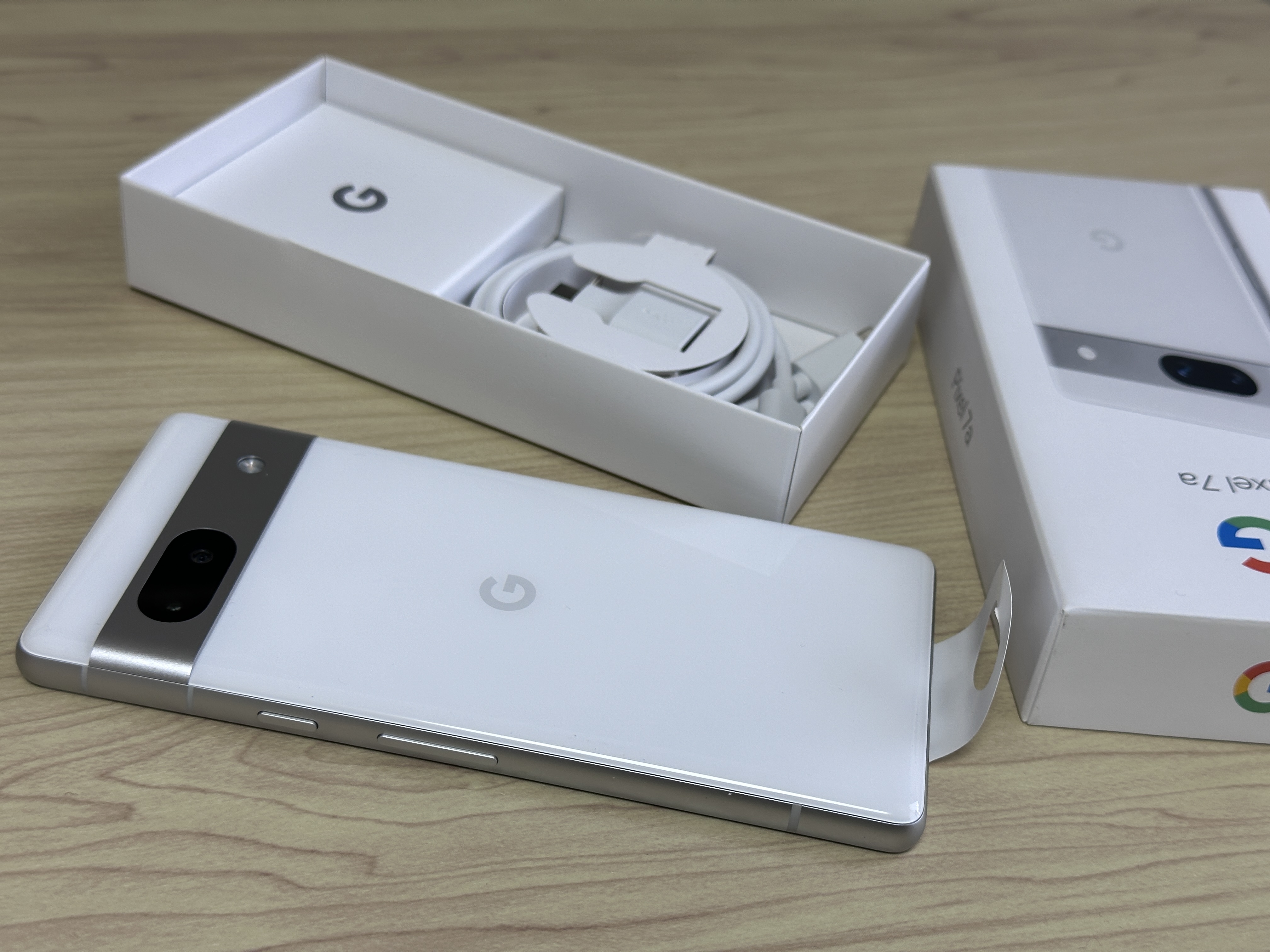
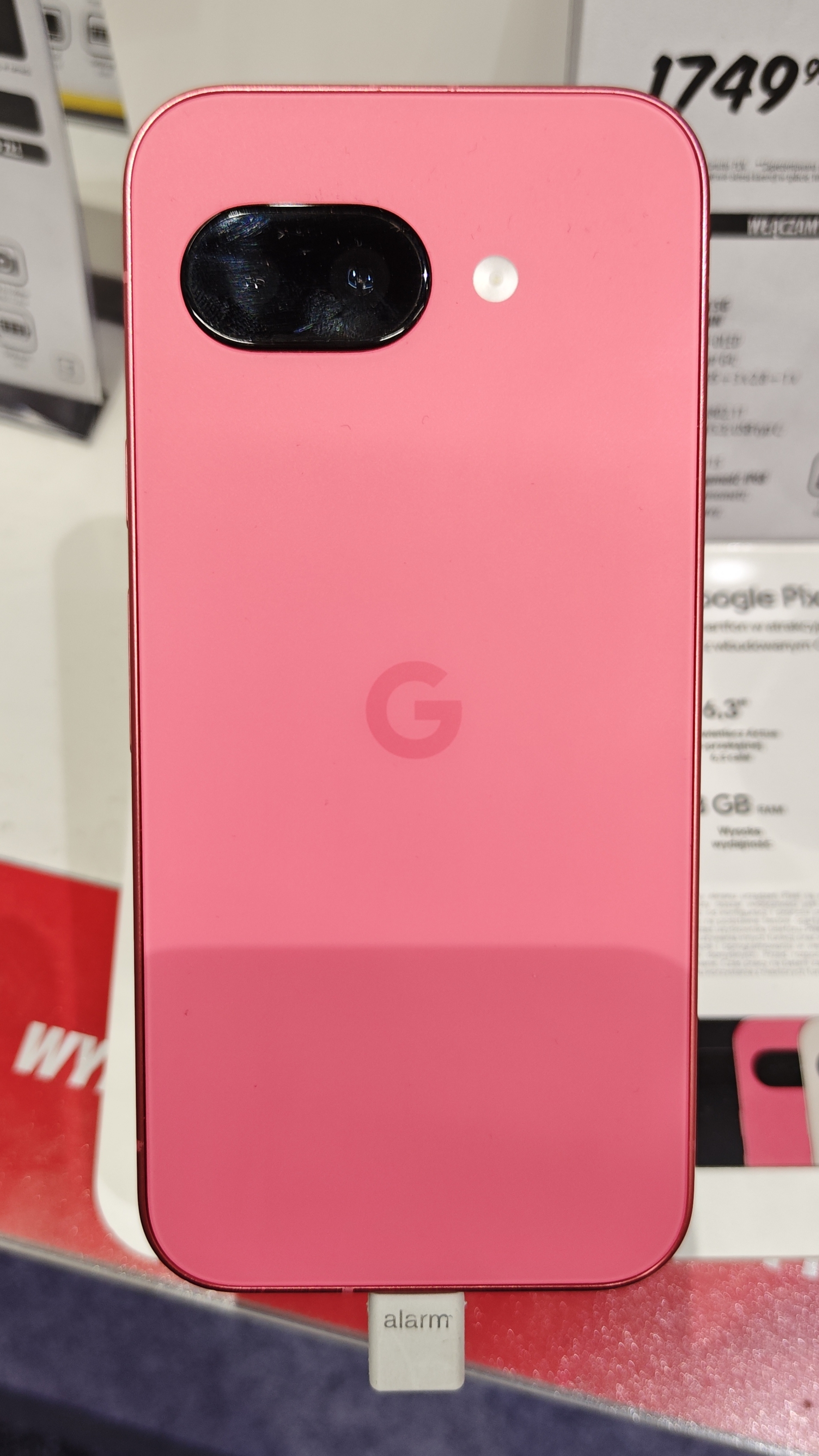
I like the Google Pixel 9a more as an idea than as a purchase. The idea is excellent: a clean Android phone, a genuinely useful camera, sensible size, strong water resistance and seven years of updates. Google lists that support commitment and the phone’s hardware on the official Indian specifications page. It also lists a one-year warranty. There, in two adjacent facts, sits the Indian buyer’s dilemma. Software may be supported deep into the next decade, but what happens in year three when the battery is tired, a USB port becomes temperamental or the display meets a tiled floor? Google’s Indian product page can describe durability; ownership depends on whether repair is available, predictable and reasonably priced where the owner actually lives.
Launch-day value is the wrong calculation
Phone reviews are usually conducted in a honeymoon period. The device is empty, the battery fresh and the reviewer’s patience subsidised by novelty. Indian buyers live with phones through hot summers, dusty commutes, unstable networks, crowded storage and hundreds of charging cycles. The useful question is not whether the Pixel 9a can win a camera comparison in week one. It is whether it remains a calm, repairable tool after two years. Google’s long update policy directly helps that calculation. Security support and operating-system upgrades reduce the artificial expiry that once made Android phones feel old while their hardware was still competent.
But an update promise is not the same as a longevity promise. Updates can introduce bugs, features may vary by region, and ageing batteries alter performance more than a new animation ever will. If manufacturers want applause for seven years, they should publish seven-year parts plans: expected battery availability, screen replacement pricing, authorised service coverage and maximum turnaround targets. A consumer should be able to estimate the cost of keeping a phone, not merely the cost of buying it. Cars have service schedules; smartphones priced like motorcycles still operate behind repair quotations delivered after diagnosis.
The camera remains the rational attraction
Pixels earn loyalty because they reduce the effort required to capture a usable photograph. That matters more than another sensor-size argument. Indian families photograph difficult scenes: faces under tube lights, moving children, weddings with aggressive LEDs and evenings where every skin tone deserves better than a beauty filter. Google’s computational photography has historically been good at producing consistent results without demanding that the owner understand exposure. The 9a’s appeal is therefore practical, not merely enthusiast prestige.
Yet camera processing is also a matter of taste. Pixels can push contrast, sharpen detail and decide what a memory ought to look like. Some buyers prefer the brighter, smoother output common on rival phones. There is no objectively correct family photograph. Reviewers should show repeatable comparisons and let people choose instead of declaring one algorithm scientifically beautiful. I would also trade several generative editing tricks for faster, more dependable capture and better organisation. AI features are entertaining in demonstrations; finding the original picture of an Aadhaar document three months later is the sort of intelligence ownership actually rewards.
India changes the price argument
At its official price, the 9a enters a brutal market. Chinese brands offer faster charging, brighter displays, more storage or higher headline specifications for less. Samsung brings a broader retail and service footprint. The Pixel counters with software, cameras and long support, but those advantages are intangible at the store counter. Discounts may improve the equation, though buying advice should not assume a temporary bank offer available to everyone. I judge value through total cost: purchase price, charger if needed, case, likely battery replacement, repair access and resale confidence.
Slow charging deserves particular attention in India because charging habits are not laboratory habits. People top up before leaving for work, borrow chargers on trips and face sockets that are not conveniently located near a sofa. A large battery is useful, but speed can be the difference between leaving with twenty percent and sixty percent. Google’s conservative approach may support battery health and safety, yet the company should explain that trade-off rather than behaving as if rivals have not changed expectations. Wireless charging is pleasant on a desk; reliable fast wired charging solves more Indian mornings.
Service is a feature, whether marketing likes it or not
I have no patience for reviewing service as an afterthought. A phone is a primary work, banking, navigation and identity device. Sending it away for days imposes real costs. Google has expanded its Indian presence over time, but it competes against networks built through thousands of counters and years of local familiarity. Buyers outside major metros should check the current authorised options in their city before ordering. That advice sounds boring because it is. Boring is useful when a broken screen is blocking UPI and two-factor authentication.
The counterargument is that online support and pickup repair can serve the country efficiently. They can, provided communication is clear, parts are stocked and turnaround claims survive festive peaks. Centralised expertise may even produce better repairs than inconsistent local centres. My objection is not to the model; it is to opacity. Manufacturers should publish city-level service modes, typical repair prices and parts availability. If a seven-year support pledge is central to the sales pitch, repair infrastructure should be reported with the same enthusiasm as camera awards.
Who should actually buy it
The Pixel 9a makes sense for someone who values dependable point-and-shoot photography, clean software, prompt security updates and a compact-enough body more than charging speed or gaming performance. It is also attractive to buyers who genuinely keep phones for four or five years—if they have a credible repair route. It is a weaker choice for a heavy gamer, a specification maximiser or somebody living far from service coverage who cannot tolerate courier downtime. No phone is universally good; the honest review identifies the kind of inconvenience each buyer is accepting.
I want Google to succeed in India because the market benefits from an Android manufacturer that competes on support length rather than annual churn. But the company cannot define longevity solely as code arriving over the air. Batteries are chemistry. Screens break. Ports wear. Adhesives age in heat. The ownership promise must include those physical facts. Seven years of updates is a fine headline; seven years of affordable parts would be a revolution. Until Google connects the two, the Pixel 9a remains a thoughtful phone sold with an incomplete definition of time.