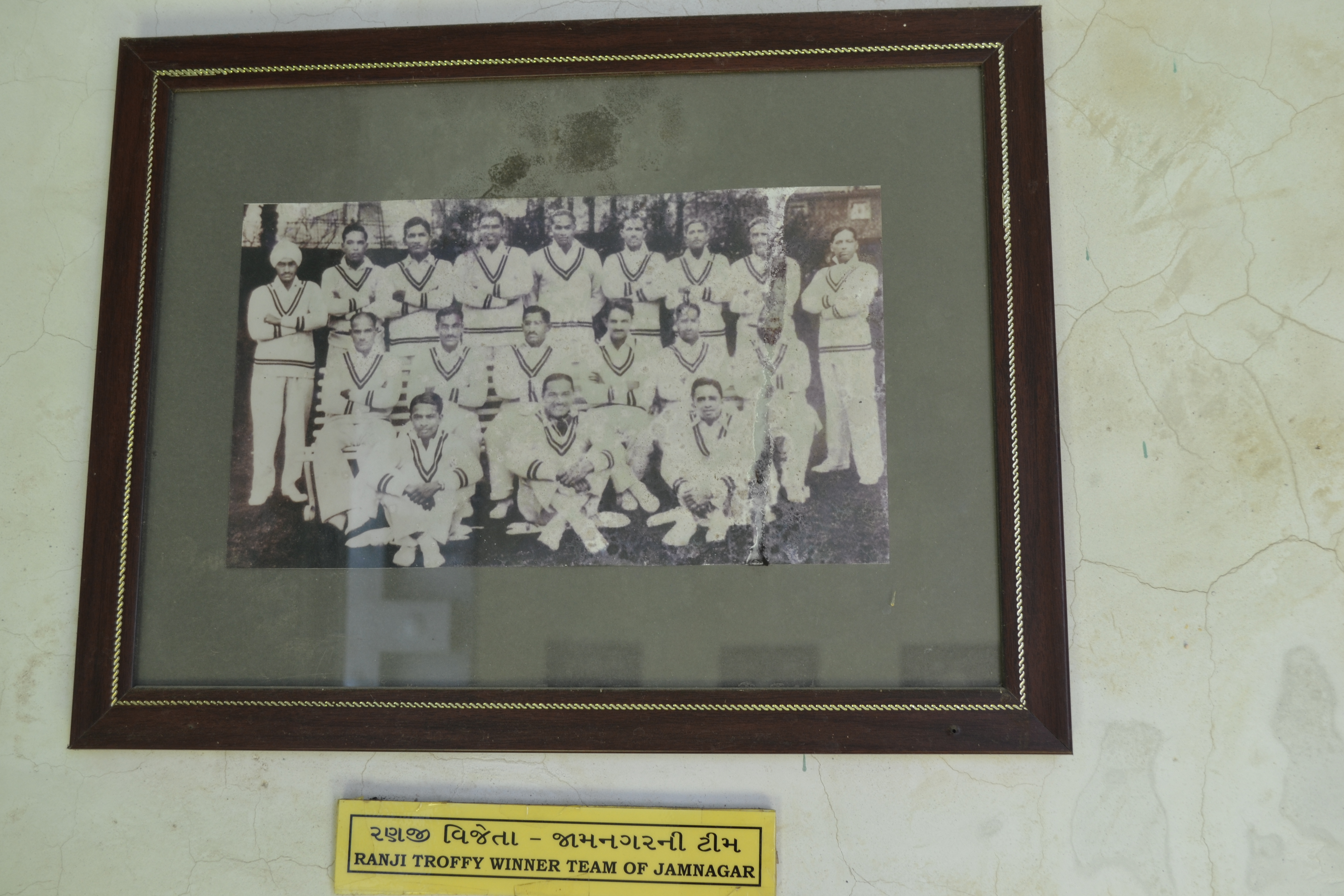
I grew up believing the Ranji Trophy was not a waiting room but a country. It had climates, rivalries, grudges, styles and reputations of its own. A batter who survived the new ball in Lahli had answered a different question from one who ground out a hundred in Rajkot. A spinner learned that a helpful surface was not the same as a free wicket. The competition taught players how to inhabit a long match, which is less about patience as a personality trait than about making hundreds of small decisions without becoming bored or vain.
The BCCI’s 2026-27 domestic schedule gives the Ranji Trophy two league phases, split around the limited-overs competitions, before knockouts. The previous season’s official structure similarly demonstrates the enormous volume the board must fit into one calendar. I understand the logistical problem. India has many teams, age groups and formats. My complaint is that first-class cricket repeatedly absorbs every compromise because its supporters are presumed loyal enough to tolerate neglect.
A split season asks players to change species
Switching formats is not simply replacing a red ball with a white one. The opening batter’s judgment outside off stump, a fast bowler’s workload, a spinner’s pace through the air and a captain’s conception of time all change. Asking domestic players to complete a block of four-day cricket, pivot into T20 and one-day tournaments, then return months later is asking them to change species and remember their old instincts on command. International stars receive specialised camps and carefully managed workloads. Domestic professionals are expected to adapt because the spreadsheet says Tuesday.
The defence is that a split season avoids the worst weather and gives every competition room. There is merit in that. Northern winter conditions can become extreme; travel is punishing; the Indian calendar cannot be copied from England or Australia. But a compromise should be judged by what it preserves. If the result is that teams lose rhythm, players disappear into franchise preparation and the premier first-class tournament feels like two unrelated mini-seasons, we have preserved dates rather than meaning.
I would prefer a protected central window long enough for the elite league and knockouts to feel continuous, with regional scheduling used to manage climate. Plate cricket can be structured around development needs rather than forced into an identical template. The board has the money and administrative reach to experiment with neutral venues where conditions demand it. What it lacks is not capacity but urgency. The IPL has immovable space because commercial partners insist upon it. Ranji cricket moves because its constituency has no negotiating table.
That imbalance eventually reaches the Test team. A player can have an excellent T20 season without learning to leave well, bowl a fourth spell or construct a partnership after the ball softens. India’s depth conceals these gaps until a difficult overseas tour exposes them. Then the same ecosystem that treated first-class cricket as background scenery demands technically complete replacements by breakfast.
Pitches must reward skill, not lotteries
Ranji discourse often swings between two bad absolutes. One side wants green pitches because seam movement is considered morally superior. The other defends dramatic turn from the first session as a celebration of Indian conditions. I want surfaces on which good bowlers can take wickets and good batters can score after solving a problem. A match ending quickly is not automatically exciting, just as a draw is not automatically dull.
The BCCI should publish more detailed pitch and match assessments. If a surface produces excessive seam because it was underprepared, or violent turn because soil preparation was poor, the association should face consequences. Equally, roads engineered for first-innings points should not be rewarded as strategic genius. Public grading would create accountability and help supporters understand why sanctions or warnings occur.
Ball quality, outfields and drainage matter too. These sound like groundsman’s details until a prospect’s season is shortened by rain on a field that could have been covered, or a fast bowler loses confidence in a ball that softens unpredictably. The board’s wealth should purchase consistency in basic playing conditions without erasing regional character. Standardisation need not mean every pitch behaves alike; it should mean every match has professional minimums.
Broadcasting is another neglected lever. Not every game can receive an international production, but reliable multi-camera streams, accurate scorecards and archived highlights should be non-negotiable. Supporters cannot form attachments to players they cannot watch. Selectors may attend in person, but public visibility changes the status of a competition. It also makes selection arguments more informed and less dependent on snippets circulating through fan accounts.
Stars should return for cricketing reasons
Whenever India loses a Test series, a ritual begins: senior players are ordered back to domestic cricket as though the Ranji Trophy were a disciplinary colony. I dislike this framing. Established players should participate because first-class matches are valuable preparation and because their presence raises standards. They should not arrive for a single photographed appearance, block a younger player, and depart once public anger subsides.
The board and selectors need explicit expectations. Centrally contracted players who are fit and not on international duty should have planned domestic availability. Exceptions should be based on workload and rehabilitation, not celebrity. Schedules must be shared early enough that state teams can plan. A star returning should train with the side, play a meaningful block where possible and treat teammates as professionals rather than supporting cast.
There is a counterargument: India’s best players already face relentless international and IPL commitments, and forcing appearances increases injury risk. I agree. Fast bowlers in particular require individual plans. But workload management cannot mean total separation from the format that supposedly matters. Sometimes one carefully chosen Ranji match is more useful than another branded camp. The solution is coordination, not performative compulsion or permanent exemption.
Selection should also reward sustained first-class excellence. A sensational IPL can reveal temperament and hand-eye coordination, but it should not leapfrog years of red-ball work when the Test role requires different evidence. Age should not automatically disqualify a domestic performer. If the best available middle-order batter is thirty-one and understands long innings, select him. Development pathways matter; so does winning the next Test.
The tournament needs a story of its own
My deepest worry is cultural. The Ranji Trophy is increasingly discussed only in relation to the national team: who might be picked, who was dropped, who has been instructed to play. A competition cannot thrive solely as an audition. State rivalries, championship races and careers that never reach India colours have intrinsic value. A veteran who scores ten thousand first-class runs has built something worthy even if no franchise buys him.
The BCCI should market the tournament’s history without embalming it. Fixtures between traditional rivals can be scheduled and promoted intelligently. Finals deserve clear build-up, sensible venues and proper crowds. Player stories should be told throughout the season, not discovered two days before an India call-up. Schools near venues can be invited. Admission should be simple. None of this requires the theatrical excess of franchise cricket; it requires confidence that the game itself is interesting.
Financial security matters as much as romance. Match fees and contracts must make a domestic career viable for players outside the IPL. Associations should pay promptly. Medical support, insurance and retirement planning should reflect the fact that most professionals will never receive an auction windfall. A healthy system cannot depend on thousands chasing a jackpot awarded to a few.
I am not asking India to reject T20 cricket. The format funds the ecosystem and has produced extraordinary skill. I am asking the BCCI to stop behaving as if affection for Test cricket can substitute for investment in its source material. The national side’s red-ball future is shaped in quiet overs before lunch at domestic grounds, not in speeches about tradition.
Protect a coherent window. Improve surfaces without homogenising them. Make stars participate through sensible planning. Broadcast the matches, honour domestic careers and select from evidence appropriate to the format. The Ranji Trophy has survived neglect because its roots are deep. That should inspire stewardship, not further neglect. Even the strongest old tree eventually notices when everyone keeps cutting branches for a brighter festival elsewhere.