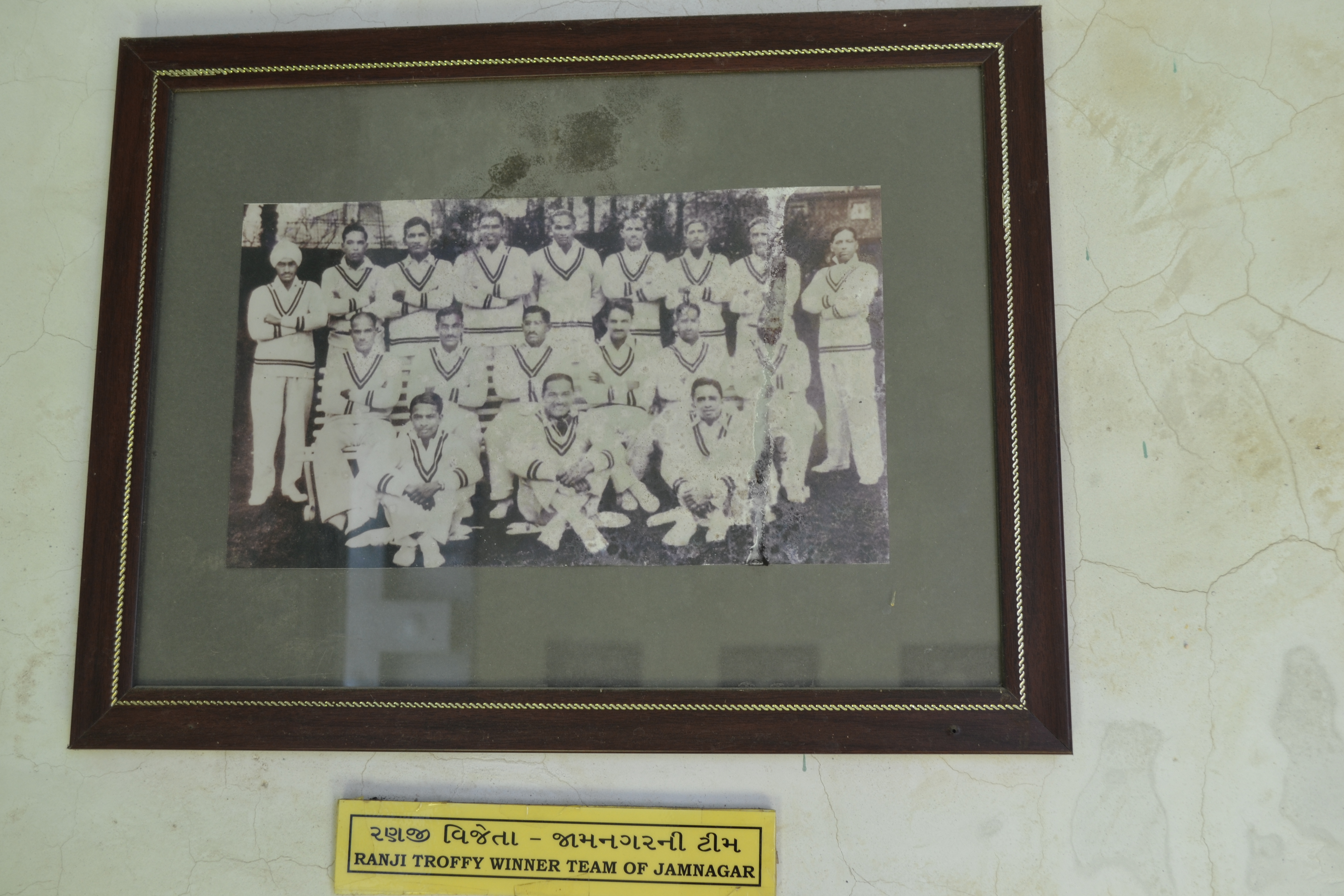
I am old enough to remember when following the Ranji Trophy required newspapers, radio fragments and an unreasonable attachment to scorecards. That memory can become sentimental very quickly, so let me resist it. The domestic game was not automatically healthier because information was scarce and players travelled without Instagram reels. What it possessed, however, was a clearer relationship to Test cricket: long innings, patient spells and reputations built across seasons formed the recognised route to the national side. The BCCI’s 2026-27 domestic announcement promises 1,788 matches across formats and age groups. The scale is extraordinary and deserves acknowledgement. But volume can disguise hierarchy. A calendar packed with cricket does not prove that first-class cricket receives protected time, rested players, suitable pitches or sustained public attention. My worry is not that the Ranji Trophy will disappear. It is that it will remain ceremonially important while becoming practically negotiable.
More matches can still mean less meaning
The BCCI has retained a two-phase Ranji structure, a choice explained partly through workload and scheduling needs. There are sensible arguments for a break. India has numerous competitions, climatic constraints, broadcast demands and players moving between domestic and international assignments. Yet fragmentation damages the narrative rhythm that makes a first-class season intelligible. A team establishes momentum, conditions evolve, combinations settle—and then everybody disperses. When the tournament resumes, form and availability may have changed. The official domestic schedule demonstrates the logistical scale confronting administrators, but logistics should serve cricketing priorities rather than determine them by default. If the Ranji Trophy is the foundation of India’s Test system, it deserves an uninterrupted window large enough for the country’s best available red-ball players to participate meaningfully.
I can already hear the objection: India’s talent system is flourishing, the national team draws from an enormous pool and the IPL has improved fitness, confidence and tactical adaptability. All true. T20 cricket has widened opportunity and made players financially secure in a way previous generations could barely imagine. I do not want to reverse that progress. But the skills that decide a Test series under pressure are not simply slower versions of T20 skills. Leaving the ball for an hour, defending with soft hands, bowling a fourth spell on an unresponsive afternoon and setting up a batter across twenty deliveries require repetition. Nets cannot reproduce consequence. A domestic match in which a player’s team depends on him for two days can.
The missing stars matter symbolically
India does not need every centrally contracted player in every Ranji round. International travel and recovery are real, and performative mandates can produce reluctant appearances that benefit nobody. Still, the domestic tournament gains authority when leading players return during genuine gaps. Younger teammates observe routines, crowds notice and selectors receive evidence under match conditions. More importantly, participation signals that first-class cricket is not remedial work assigned only after an international failure. Too often a senior player is urged to play Ranji cricket as punishment, which makes the competition sound like detention. It should be presented as professional maintenance. If BCCI can coordinate franchise windows, sponsorship obligations and elaborate bilateral calendars, it can create a few protected red-ball weeks and communicate expectations well in advance.
Broadcasting is another uncomfortable subject. The board possesses the resources to make every significant domestic match accessible with competent production, stable score data and thoughtful commentary. Fans do not demand an IPL circus around Kerala versus Services. They do require reliable pictures, sensible schedules and a way to follow a season without becoming amateur archivists. Coverage shapes status. When a match is invisible, administrators can praise it endlessly while young audiences reasonably conclude that it does not matter. The BCCI’s digital platforms have improved, but domestic cricket still feels like material released from a storeroom rather than a product curated for people who care. A central archive of full scorecards, highlights and player footage would also help scouts, coaches and journalists analyse development rather than recycle reputation.
Pitches should test, not manufacture, technique
No defence of the Ranji Trophy is complete without discussing pitches. A green surface that ends a match rapidly is not automatically excellent, just as a turning pitch is not automatically poor. The test is whether conditions permit high-quality cricket and reward developed skill. India needs batters capable of surviving seam, spin and reverse swing, and bowlers who can take wickets after the new ball loses its shine. Extremes create distorted numbers. A spinner collecting a mountain of wickets on a crumbling first-day surface may learn less than one forced to vary pace and angle against a set batter. Likewise, a seamer should not receive wickets merely for landing the ball somewhere near a damp patch. Independent pitch assessment, transparent feedback and consequences for repeated poor preparation would strengthen the competition more than another ceremonial speech about heritage.
The selection system must also distinguish output from readiness. Aggregate runs and wickets matter, but context matters too: opposition strength, match situation, pitch, role and repeatability. Data can help if used to deepen judgment rather than replace it. A batter who repeatedly makes difficult second-innings runs may be more Test-ready than one accumulating enormous totals on flat decks. A bowler who maintains control through long spells offers something a strike-rate table may miss. Domestic coaches and captains hold this knowledge, yet the national conversation often begins only when an IPL clip goes viral. BCCI cannot control public taste, but selectors can make the red-ball pathway legible by explaining what performances lead to India A opportunities and how players are being prepared.
Test cricket survives through institutional choices
People like me are often accused of treating Test cricket as a moral virtue. Fair enough; affection can become pomposity. A five-day match is not superior because it lasts longer. It is valuable because its time creates distinctive strategic and psychological tests. If India wants to remain excellent at it, the supporting competition must be designed deliberately. The Ranji Trophy needs an intelligible window, credible surfaces, visible broadcasts, leading-player participation where feasible and selection that rewards contextual skill. None of this requires hostility to the IPL. It requires the BCCI to use the wealth generated by short-form cricket to protect the format that cannot protect itself commercially.
The 1,788-match figure makes a strong press-release headline. My question is what happens inside those matches: who is available, what conditions confront them, whether anyone can watch and whether excellence produces a coherent next step. Administrators prefer quantities because quantities are easily announced. Quality asks harder questions and yields fewer photographs. I still believe Indian Test cricket’s next rescue act will be prepared on an ordinary domestic afternoon, far from a packed international ground. The board’s responsibility is to ensure that afternoon remains demanding, visible and important.