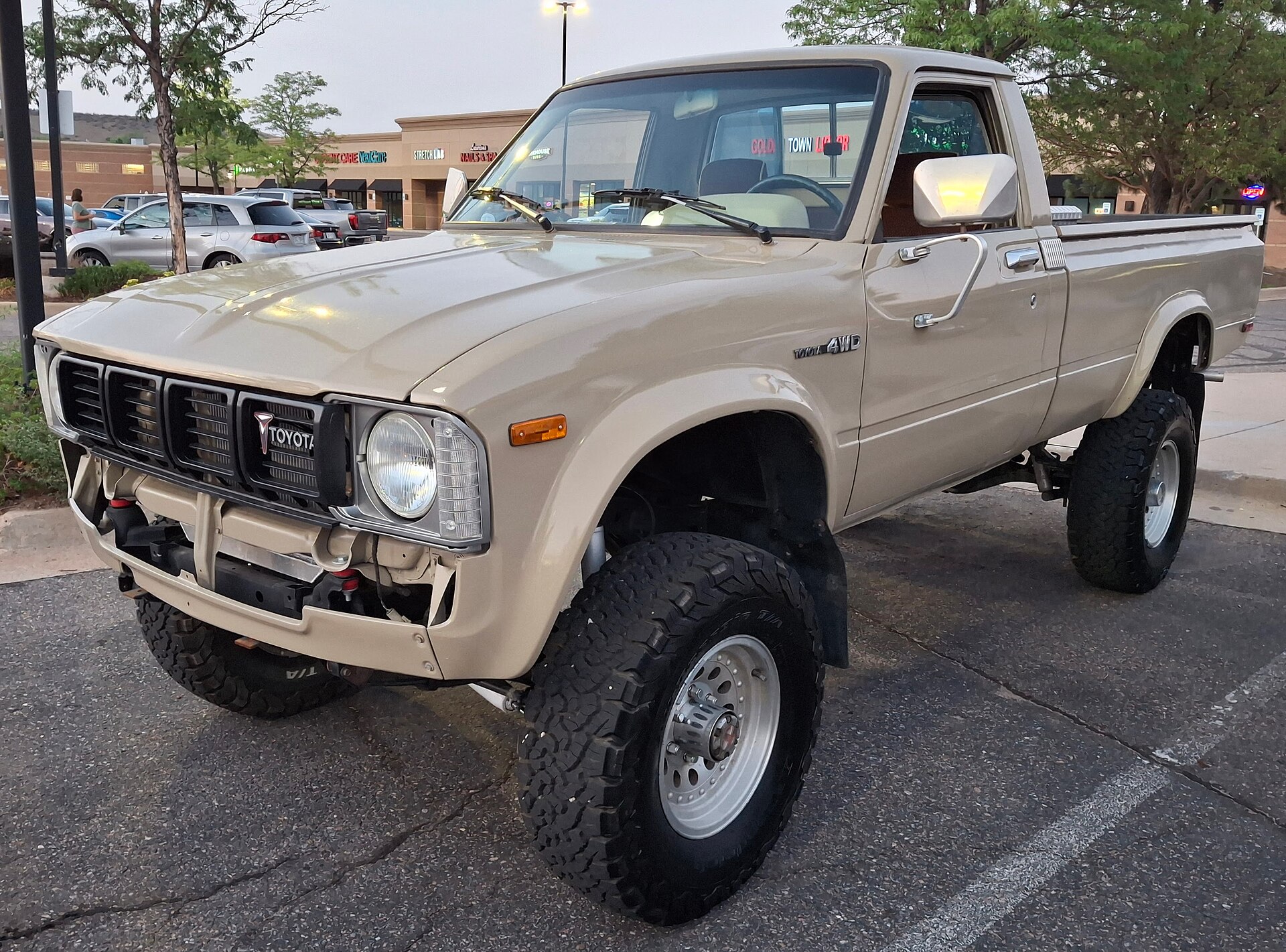
I like the Toyota Hilux. It feels engineered by people who expect roads to end, loads to be heavy and owners to neglect maintenance in several languages. The problem is not the vehicle. The problem is the growing Indian habit of buying machinery designed for an imagined life and then using it to crawl alone through office traffic.
The ninth-generation model retains the qualities that made the name famous. Autocar India’s 2026 Hilux review praises its refinement and tough-terrain ability while noting equipment omissions and the bouncy unladen ride. That is the honest summary: excellent at its intended work, compromised when treated as a luxury lifestyle SUV.
A pickup is a tool before it is a personality
The Hilux’s separate cargo bed, robust chassis and four-wheel-drive hardware exist for carrying, towing and surviving rough use. If you run a farm, construction operation, expedition business or remote site, those characteristics can justify the size and cost. If your weekly cargo is two laptop bags, you are paying for capability you experience mainly as inconvenience.
An unloaded pickup’s rear suspension behaves differently from an SUV’s. The ride can hop and thump because the vehicle is designed to settle under weight. No amount of leather changes that physics. Owners often add accessories, larger wheels and cosmetic bars that further damage comfort, efficiency or safety, then complain that the vehicle feels agricultural. It is agricultural. That is partly the point.
Urban dimensions matter. Indian parking spaces, basement ramps and market lanes were not designed around large pickups. The Hilux demands attention in U-turns and restraint near scooters. A commanding driving position is not the same as easy visibility around every corner of a tall, long body.
The cargo bed is also less universally useful than buyers imagine. Luggage needs protection from rain, dust and theft, which means purchasing a cover or canopy. Once enclosed, access can be awkward. A conventional SUV’s boot remains better for groceries, airport bags and family travel.
Toyota reliability is valuable, not magical
Toyota’s reputation for durability is earned, and Indian buyers rightly price peace of mind. The related Innova Crysta’s long-distance strengths and ownership appeal are reflected in Autocar’s model assessment. But reliability does not eliminate service, tyres, insurance or fuel. Large vehicles produce large bills even when nothing breaks unexpectedly.
The “indestructible” mythology can encourage neglect. Four-wheel-drive systems need correct use and maintenance. Diesel emission hardware dislikes certain patterns of short urban running. Expensive tyres are not immortal. Accessories fitted badly can compromise wiring or warranty. A robust platform forgives more than a delicate one; it does not suspend mechanics.
Resale is likely to remain strong because the badge and niche demand support it. Yet resale should not be used to rationalise an unsuitable purchase. Losing less money later does not recover the daily cost of parking stress, poor ride and fuel consumption.
I would choose trim carefully. Manufacturers understand that lifestyle buyers equate more chrome and screens with value, so top variants become expensive collections of features. Focus on safety, drivetrain, camera visibility and essential comfort. A sunroof does not make a pickup more capable, and decorative trim will not help at a washed-out trail.
Safety requires more than mass
Large vehicles feel safe because occupants sit high behind substantial metal. That feeling is incomplete. Crash structure, airbags, stability control, tyre grip, braking distance and driver-assistance calibration matter more than visual intimidation. India’s expanding crash-test culture, summarised in Autocar’s Bharat NCAP roundup, is teaching buyers to demand evidence.
Pickup dynamics also require respect. An empty rear end can behave differently under braking or sudden direction changes, especially on wet surfaces. Electronic aids help, but they cannot repeal weight transfer. Drivers moving from a compact crossover should not assume height confers invulnerability.
Pedestrians and two-wheeler users bear additional risk from tall, heavy vehicles. I am not proposing moral prohibition. I am asking owners to recognise that road presence is responsibility, not entitlement. The fact that a gap can physically accommodate the bonnet does not mean the rest of us should applaud the manoeuvre.
Who should actually buy it?
Buy the Hilux if you routinely require a separate load bed, travel on genuinely poor terrain, need robust four-wheel drive or value a commercial tool that can also carry a family. It can be a superb fit for estates, infrastructure sites, adventure operators and owners living where ordinary crossovers are consumables.
Think twice if the appeal is mainly visual. A Fortuner offers more conventional passenger practicality. An Innova is vastly better for family comfort. A smaller SUV is easier and cheaper in cities. Even a used premium SUV may provide more equipment and refinement, though with greater maintenance risk.
The counterargument is emotional: cars need not be rational. I agree. Nobody needs to justify every rupee through a spreadsheet. A Hilux can make its owner happy simply because it looks purposeful and enables occasional adventures. But emotional purchases are best made with open eyes. Pretending desire is necessity produces resentment later.
Test-drive it on the roads you actually use, not a curated off-road course. Sit in the rear seat. Park it in your building. Load the family’s luggage. Price insurance, tyres, accessories and annual fuel. Check whether the cargo bed solves a real problem. If it still makes sense, buy it and enjoy one of the world’s great workhorses.
I admire vehicles that know what they are. The Hilux does. It is tough, large, useful and somewhat crude in ways dictated by its mission. The confusion comes from buyers asking it to become a luxury saloon on stilts because the price feels luxurious.
Toyota has built a better Hilux, not a universal car. That distinction should survive the marketing. Capability is valuable when it answers a need; otherwise it is heavy equipment carried through traffic for the benefit of one’s imagination.