The least useful sentence in consumer technology is “after using this phone for forty-eight hours.” After forty-eight hours, the battery is young, storage is empty, the display has not spent a summer on a scooter mount and the service centre has not had an opportunity to misunderstand you. That is an unboxing with sleep deprivation, not ownership.
Indian buyers keep phones for years. A serious review should therefore ask what happens after repeated software updates, thousands of charging cycles and the second monsoon. Official specification pages—such as Google’s Pixel 8a specifications—tell us dimensions and features, while detailed databases such as GSMArena’s device page preserve the launch facts. Neither can answer the ownership question by itself.
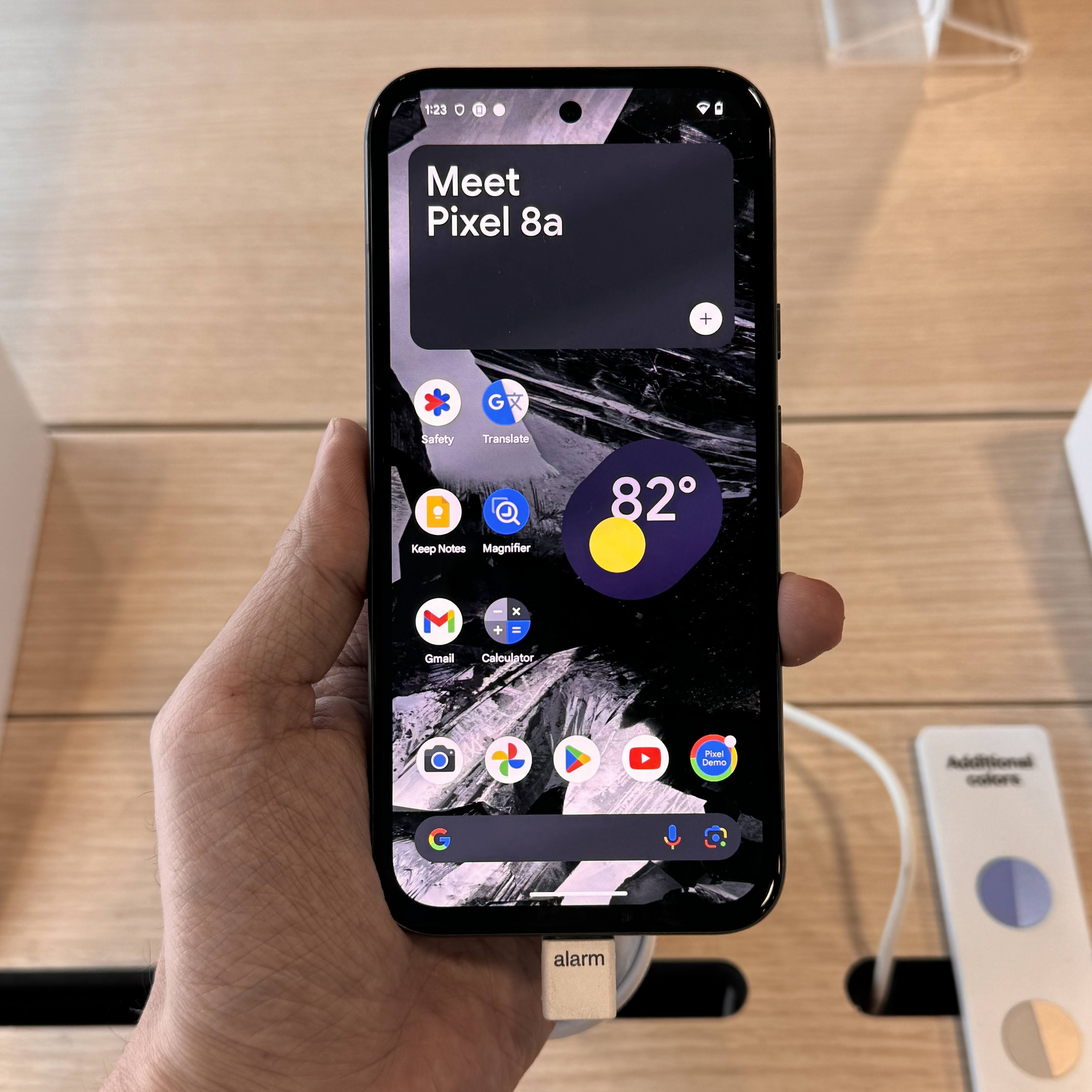
I use the Pixel 8a as an example because it embodies the gap between reviewer excitement and Indian practicality. Its camera intelligence and clean software are attractive. But a buyer must also consider charging speed, thermals, network behaviour, repair access and whether the price still makes sense after discounts move.
Batteries age; marketing does not
Every battery claim should be translated into a question: how much margin remains after eighteen months? A phone that barely survives a full day when new is unlikely to become more generous. Indian conditions punish batteries—heat, navigation, weak-signal areas, tethering and fast charging from questionable adapters.
Reviewers should publish battery health, screen-on patterns and charging habits over time. Synthetic endurance tests are useful for comparison, but ownership contains messy variables. My commute moves between 5G and weak indoor coverage. Someone else spends hours on video calls. A third buyer uses dual SIMs and hotspot mode. Good long-term reviews describe the workload rather than declaring a universal number.
Software support matters only if updates are usable. Seven years printed on a product page sounds wonderful; an update that worsens standby drain or camera processing can make the promise feel like a threat. Reviewers need to revisit devices after major versions and report regressions as prominently as launch features.
Service is part of the specification
India’s smartphone conversation underrates after-sales support because it cannot be benchmarked in a chart. Yet a mediocre phone repaired quickly can be a better possession than an excellent phone that travels between cities for a screen replacement.
I want reviews to test service channels anonymously: availability of parts, quoted turnaround, data-handling practices and out-of-warranty prices. Brands publish support pages, but the lived experience varies. A ₹40,000 phone with a frightening display replacement cost is effectively a more expensive product.
Cases and accessories count too. Popular models receive affordable covers, screen protectors and repair knowledge in local markets. Niche devices may offer distinction until the first cracked panel. Ownership value is an ecosystem, not a processor score.
Buy the boring configuration
My standing advice is to avoid paying heavily for storage or memory tiers unless your use genuinely demands them. The middle configuration usually preserves resale value without turning a mainstream phone into a pseudo-flagship. Colour premiums, launch bundles and exchange bonuses can obscure the actual cash cost. Write down what leaves your bank account.
Wait for stable street pricing. Indian smartphone launches are theatre: coupons, bank discounts, exchange “bonuses” and limited windows create urgency. The same device often settles into a more honest price after the first sales cycle. A phone is not concert seating.
The Pixel 8a can still be a delightful camera-first choice for someone who values Google’s software and accepts its compromises. My objection is not to the phone. It is to the review culture that treats initial charm as a durability verdict.
I would rather recommend last year’s well-understood phone than this week’s mystery box. The best device is rarely the one that wins launch day. It is the one you stop thinking about because, two summers later, it still does its job.