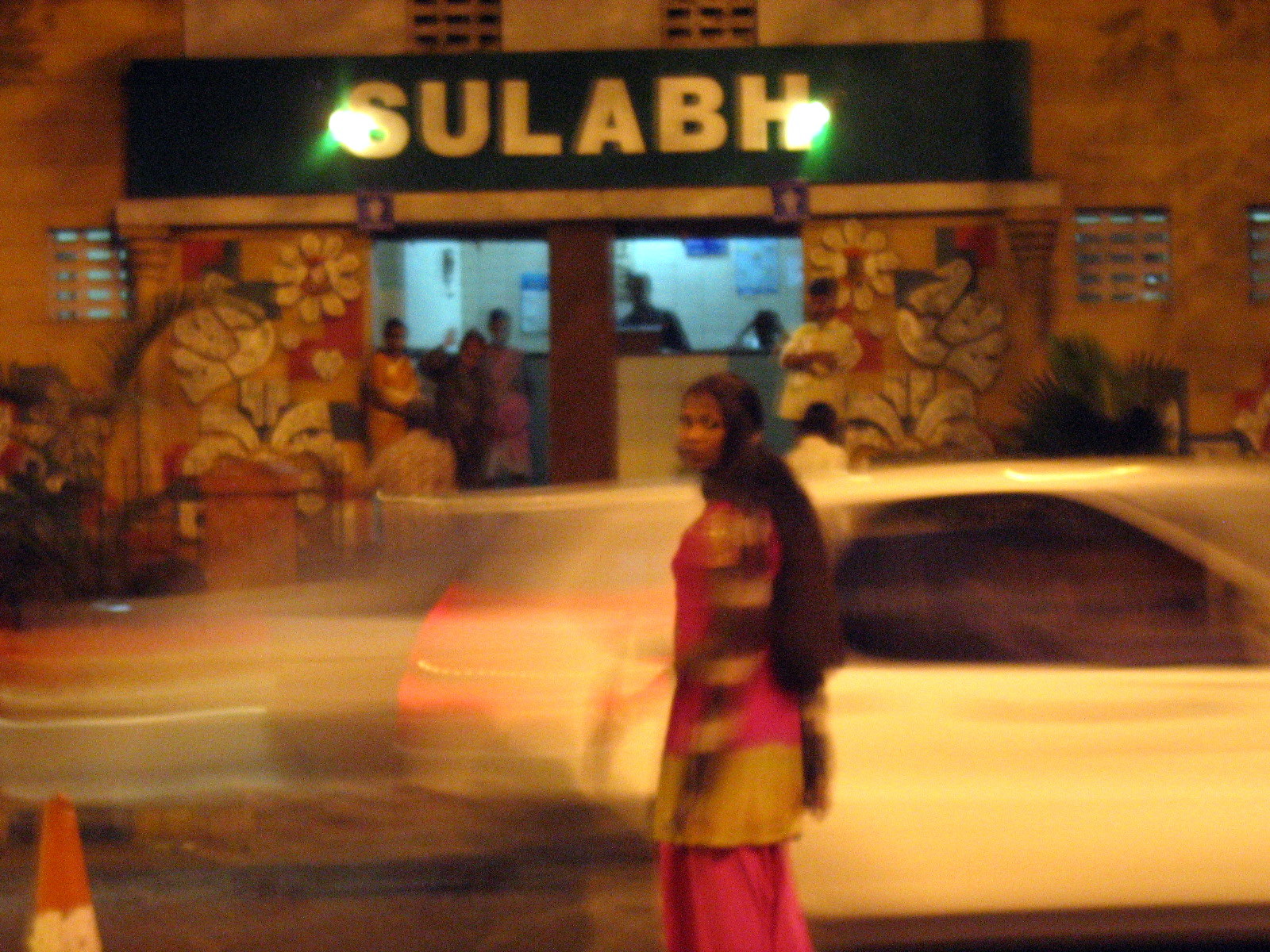
Delhi contains buildings where visitors are expected to whisper before objects whose purpose nobody can explain. The Sulabh International Museum of Toilets has the opposite advantage. Everybody understands the basic purpose, nobody arrives reverential, and within minutes the humble toilet has dragged monarchy, engineering, public health, caste and human vanity into the same room.
The museum’s own history says it was founded in 1992 and traces sanitation systems across thousands of years. Delhi Tourism’s description notes its collection of objects and information about technology, etiquette and legislation. This sounds educational in the threatening manner of a school brochure. In reality, it is one of the capital’s more useful acts of perspective.
Novelty is the bait
People visit because toilets are funny. Museum planners should be grateful. Humour lowers the social barrier around a subject India has often managed through euphemism, shame and somebody else’s labour. A decorated chamber pot can hold a child’s attention long enough for the guide to explain where waste went and who removed it.
The history of sanitation is full of wealthy people purchasing elegance at one end of a system while ensuring misery at the other. A beautiful private fixture does not imply a healthy city. The crucial inventions are often pipes, traps, sewers, treatment and maintenance—the invisible arrangements that prevent one household’s disappearance from becoming another community’s contamination.
Modern policy has the same weakness. We count constructed toilets more readily than usable systems. A door, pan and photograph can satisfy a target while water, cleaning, drainage and safe waste treatment remain inconveniently recurrent. The museum’s chronological display quietly mocks the idea that installing an object completes sanitation.
India dislikes maintenance because it has no ribbon
A public toilet succeeds through cleaning schedules, water supply, lighting, ventilation, menstrual-waste arrangements, disability access and security. None is as photogenic as inauguration. Governments of every party prefer capital creation to operating discipline.
The consequence is familiar: facilities that women avoid after dark, accessible stalls used as storage, broken taps and attendants expected to solve structural problems with a bucket. Citizens then describe public toilets as inherently dirty, as though neglect were a property of porcelain.
Sulabh’s work is important because it connected technology with a service model and social reform. But no organisation should become an excuse for the state to outsource responsibility. Municipalities need professional sanitation cadres, enforceable contracts and public inspection data.
The museum cannot avoid caste—and should not
India’s sanitation history includes manual scavenging and the hereditary assignment of degrading work. Treating toilets as a cute technological timeline without confronting that fact would be obscene. The most meaningful exhibits are therefore not the extravagant fixtures but the questions about whose hands made sanitation possible.
Mechanisation must become absolute where hazardous cleaning is involved. Protective equipment and emergency protocols are not discretionary contractor expenses. Laws and schemes mean little if municipal procurement still assumes an invisible person will enter danger.
School visits should connect historical exhibits to present labour. Children can learn that dignity is not achieved merely by saying all work deserves respect. It requires eliminating tasks that no person should perform and paying sanitation workers properly for safe, skilled work.
Design reveals who counts
A toilet is an unusually honest piece of public policy. Its location tells us who is expected in public space. Its condition tells us whose discomfort is tolerated. Facilities designed without women, older people, children, transgender users or people with disabilities reveal the imagined citizen behind the plan.
Women’s mobility is constrained when clean, safe toilets are scarce. Street vendors, drivers and delivery workers experience the city for long hours without employee facilities. A “world-class” district that leaves them searching for access is world-class mainly in its promotional literature.
Data could help. Cities should map facilities, opening hours, accessibility, water status and inspection results. Users should report faults without surrendering half their personal history to an app. Maintenance contractors should be paid partly against verified uptime.
There is no such thing as flushing something away
The toilet encourages a psychological trick: press a lever and matter ceases to exist. Wastewater engineers know better. Treatment plants, septic systems and sludge management determine whether waste is safely processed or merely moved downstream.
Urban India’s mix of sewers, tanks and informal disposal requires local solutions. Expanding sewer networks is necessary in many places, but decentralised systems and safe faecal-sludge management matter too. Technology must fit density, water availability and municipal capacity.
The museum’s historical sweep helps because it shows that sanitation has never been one invention. It is a chain of changing technologies and institutions. The flush toilet itself can be badly suited where water is scarce unless the surrounding system is designed accordingly.
Why this odd museum matters
Large museums often present civilisation through rulers, wars and exceptional objects. The toilet museum presents civilisation through whether ordinary bodies can live near one another without disease and degradation. I find that measure more persuasive.
It also punctures vanity. However elevated our politics or spiritual language, cities remain dependent on gradients, seals, treatment bacteria and workers arriving on schedule. A blocked drain can defeat a speech in minutes.
I would send municipal councillors, architecture students and school groups here. I would ask each to leave with one practical question about their own neighbourhood. Where does the waste go? Who cleans the facility? Can a wheelchair enter? Is there water tomorrow?
The joke should end in a budget line
Delhi’s museum earns attention because the subject is unusual. It deserves respect because sanitation is not. The country has made real progress in expanding toilet access, but usage, maintenance, wastewater treatment and labour dignity remain unfinished work.
Visitors can laugh at royal contraptions and poems about bodily functions. Humour is healthier than prudishness. But the exit should produce discomfort of another kind: awareness that our most ordinary private act depends on a public system we prefer not to see.
The best museums rearrange importance. Sulabh’s does so with a collection many people initially treat as a punchline. By the time I leave, the joke is on cities that build monuments while failing to maintain the facilities beside them.