Delhi contains museums for prime ministers, crafts, railways, stamps and national greatness in several architectural styles. It also contains a museum devoted to toilets, which is useful because toilets have influenced human life more consistently than commemorative plaques. Visitors may arrive prepared to giggle at antique commodes. They should giggle; museums are not court summonses. But the joke soon turns on us. Sanitation is one of those subjects everyone depends upon and respectable conversation avoids until a pipe fails.
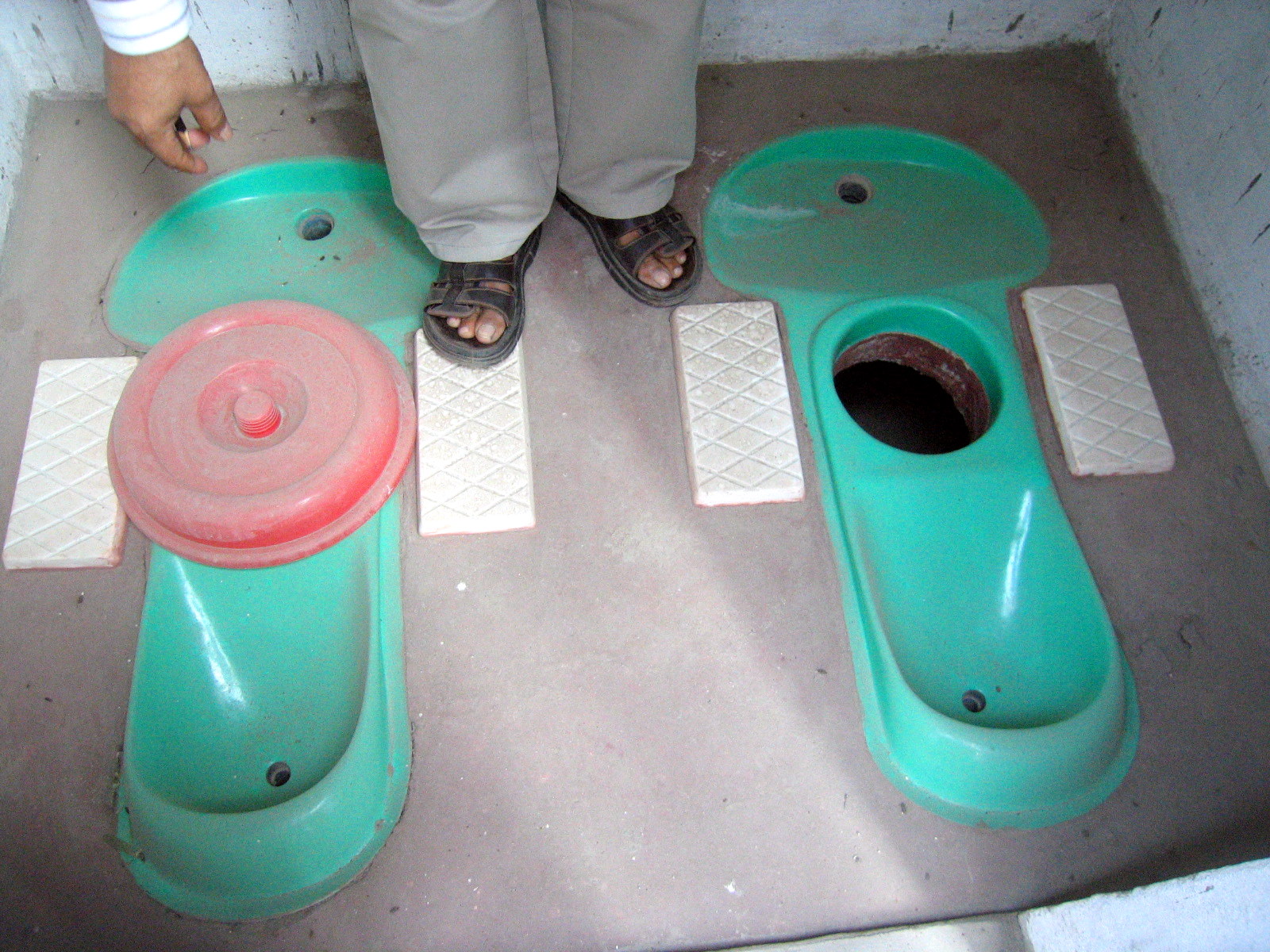
The Sulabh International Museum of Toilets documents sanitation technologies and customs across history. Its existence is connected to Sulabh’s broader work on sanitation, described through the organisation’s public information. The museum’s subject also sits within a national policy story: the government’s Swachh Bharat Mission portal records the scale and continuing institutional framework of rural sanitation. Neither source turns the museum into a complete account of India’s problems, but together they explain why a room full of toilet design is not trivial.
Civilisation is a plumbing arrangement
History is usually taught through kings, wars and treaties because these leave flattering objects. Sewage leaves fewer heroic portraits. Yet the ability to separate waste from drinking water determines whether a dense settlement is liveable. A palace and a slum both produce human waste; architecture merely changes who is forced to see it. Toilets reveal a society’s engineering capacity and its hierarchy with unusual efficiency.
The museum’s comic appeal helps. A visitor who would avoid a lecture on faecal sludge may inspect an absurdly decorated commode. Humour lowers the social barrier, after which design raises practical questions. Why did one system spread and another fail? Who cleaned it? Where did the waste go? Was water available? Could the device be repaired locally? Sanitation technologies are never just objects. They are contracts between bodies, infrastructure and labour.
I find this more intellectually honest than the futuristic “smart city” presentation in which waste disappears behind a clean icon. Every flush sends material somewhere. A sewer without treatment relocates pollution. A toilet without water, maintenance or safe disposal can satisfy a construction target while failing its user. Modern administration loves counting units because units fit spreadsheets. The human chain after installation is messier and therefore more important.
The labour cannot remain invisible
Any Indian discussion of sanitation that ignores caste and hazardous cleaning is indecent. Technology has often allowed comfortable households to distance themselves from waste while particular communities bear the physical and social burden. Legal prohibition and mechanisation are essential, but implementation must reach drains, septic tanks and sewers where unsafe work persists. A museum can display old systems; society must decide whether old hierarchies survive inside new infrastructure.
Machines alone are not magic. Municipalities need procurement, trained operators, maintenance and emergency procedures. Contractors must be accountable. Workers require protective equipment, insurance, medical support and alternative livelihoods where occupations are being transformed. The public should stop treating a blocked sewer as a nuisance solved by summoning an unnamed man into danger. Convenience does not erase responsibility.
Language contributes to invisibility. We speak of “manual scavenging” as an abstract policy category instead of work performed by people in conditions others would refuse. We celebrate cleanliness without asking who cleans. The museum’s physical objects interrupt abstraction. A toilet design embodies assumptions about the person using it and the person servicing it. Good design reduces indignity throughout that chain.
Behaviour is infrastructure too
Sanitation campaigns often discover that construction is easier than habit. A toilet may be used for storage, abandoned after failure or rejected because its design does not fit household practice. This is sometimes described with contempt for beneficiaries, which is a convenient way to excuse poor consultation. People adapt when systems are reliable, private, safe and culturally intelligible. Behaviour change is a dialogue, not a poster ordering citizens to modernise.
Women’s needs expose weak design quickly. Privacy, lighting, menstrual-waste management, water and safe access affect whether a facility is usable. Public toilets judged only by seat count can exclude half the population through neglect. Disabled users encounter another layer of thoughtless steps, narrow doors and inaccessible fixtures. A sanitation system is inclusive only when the person facing the greatest obstacle can use it with dignity.
Schools provide the clearest test. Building separate toilets can improve attendance only if water flows, doors lock and cleaning continues. A photograph taken on inauguration day proves none of those things. Maintenance budgets lack the glamour of construction targets, which is why they require political protection. The museum’s historic failures should make us suspicious of present systems that assume upkeep will somehow occur without money or staff.
The odd museum asks the normal question
Why do we regard a toilet museum as eccentric? Because public culture ranks subjects according to prestige rather than consequence. A sword is heritage; a drainage trap is plumbing. Yet most visitors will use sanitation technology many times more often than they encounter a sword, fortunately. The hierarchy says more about our vanity than historical importance.
I would take school groups, municipal councillors and architecture students there. Not because every exhibit supplies a modern solution, but because the collection encourages comparison. Technology evolves through experiments, failures and adaptation. India’s sanitation challenges likewise require different answers across dense cities, water-scarce villages, flood-prone regions and informal settlements. One standard toilet cannot settle every ecological question.
The museum earns its place precisely by refusing grandeur. It begins with an unavoidable bodily fact and follows that fact into engineering, public health, caste, gender and governance. The dry humour is built in: societies that speak endlessly about purity have often arranged for somebody else to handle the impure work. A toilet is never only a toilet. It is a small room containing the political order. Delhi’s oddest museum understands this better than many conferences where the washrooms, naturally, are someone else’s responsibility.