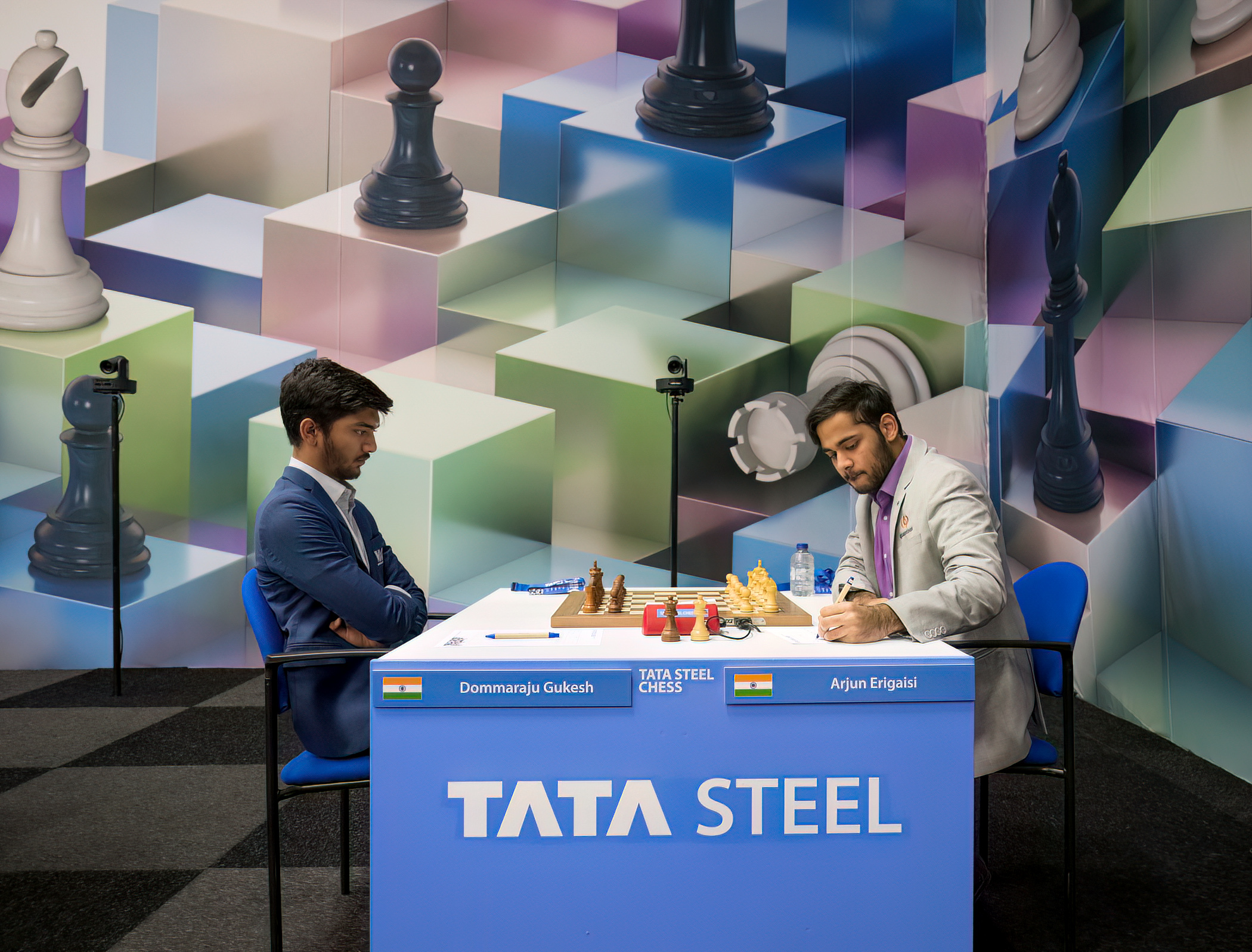
Whenever an Indian athlete outside cricket does something extraordinary, we perform the same national ceremony. Politicians post photographs, brands discover the sport overnight, television anchors learn three pieces of terminology and everybody asks why this champion was not famous earlier. Then the cricket calendar resumes and the question evaporates. D. Gukesh’s rise to the world chess title should embarrass this cycle out of existence. He did not become worthy when casual viewers finally learned his name. Years of preparation, tournament travel, family commitment and a demanding Indian chess ecosystem already made the achievement meaningful. The global governing body’s coverage of Gukesh becoming world champion records the result; the larger Indian lesson is about what happens before a podium, when sporting excellence is quiet, expensive and easy for mass media to ignore.
Chess is not a miracle factory
India likes to describe chess success as proof of innate civilisational genius. The game’s historical connection to India is a lovely story, but history does not book flights, pay trainers or organise high-level tournaments. Modern champions emerge from networks: coaches who identify weaknesses, parents who absorb uncertainty, sponsors who fund travel, federations that create competitive opportunities and peers who make exceptional performance feel normal. Viswanathan Anand’s career changed the horizon for Indian players, but the generation after him did not materialise through inspiration alone. Academies, online play, stronger domestic events and a growing cluster of grandmasters created productive competition. I prefer this explanation because it gives us something to build. “We invented chess” is pride without a policy.
Gukesh’s temperament attracts easy mythology because he appears composed under pressure and achieved so much so young. But turning a teenager into a symbol can obscure the labour. Chess preparation includes opening research, physical conditioning, psychological recovery and long stretches in which improvement is invisible. It also contains defeat in public. Young athletes should be allowed to lose without the nation behaving as though an investment has defaulted. The useful account of Gukesh is not that he was destined. It is that a talented player received enough sustained support to keep converting potential into skill. Olympics.com’s profile of Gukesh’s career helps place his milestones in sequence, but no timeline fully captures the ordinary repetition behind them.
Attention follows the wrong timetable
Cricket’s dominance is not a moral failure. It is an exceptionally successful entertainment business with deep cultural roots, reliable broadcasts and stars who play before enormous audiences. I enjoy it. What irritates me is the claim that other sports simply need better performances to earn attention. Indian athletes in chess, badminton, shooting, wrestling, boxing and athletics have supplied performances. The missing element is consistent storytelling and access. Broadcasters cannot arrive only for medal rounds and then blame viewers for lacking familiarity. Audiences care more when they know rivalries, stakes and personalities. That knowledge requires coverage before victory.
Chess presents an unusually good opportunity because digital distribution reduces the cost of access. Games can be streamed with boards, engines and commentary; school competitions can connect to larger circuits; Indian-language explainers can welcome viewers who find notation intimidating. Yet coverage often swings between two unhelpful extremes: impenetrable analysis for experts and celebrity chatter for everyone else. Good commentary can explain a strategic idea without pretending the audience is foolish. It can show why a quiet move matters, how time pressure alters judgment and what preparation means. If media companies treated chess as a narrative rather than a patriotic emergency, sponsors would have something durable to buy.
Schools need coaches, not ceremonial boards
After a chess triumph, somebody inevitably proposes putting boards in every school. Fine, but equipment is the easy part. A board without a teacher becomes furniture. Schools need trained instructors, regular playing time, local leagues and pathways for children who show unusual promise. Public programmes should prioritise access in smaller towns and lower-income communities, where tournament fees and travel can end a career before selection ever begins. Scholarships must be transparent and multi-year. A one-time cheque after a headline is gratitude; reliable support before the headline is sports policy.
I would also resist treating chess merely as an educational supplement that allegedly improves mathematics, discipline or concentration. Those benefits may attract parents, but elite chess deserves recognition as sport in its own right. Children are allowed to pursue it because they love competition, creativity and the peculiar satisfaction of solving problems against another mind. Instrumental arguments can become traps: when grades dip, the sport is suddenly blamed for failing to deliver its promised academic dividend. A healthy system accommodates education while respecting athletic ambition. Flexible schooling, remote coursework and examination scheduling matter as much as trophies displayed at assembly.
The burden placed on young champions
India often expects non-cricket athletes to become their own marketing departments. They must explain rules, thank every institution, cultivate social media, reassure sponsors and remain inspirational. Gukesh should communicate as much or as little as he finds useful. His primary public duty is to play honestly, not to convert every citizen into a chess fan. Administrators and media professionals are paid to grow the audience. When we require a champion to be charismatic, fluent in motivational clichés and permanently available, we exclude quieter personalities from the rewards their results merit.
There is a mental-health dimension too. A world title changes expectations faster than any player’s internal life can adjust. Every draw becomes evidence, every loss a debate and every facial expression content. Teams need sports psychologists and boundaries around access. Fans can celebrate without claiming ownership. The language of national pride easily becomes national entitlement: we supported you, therefore you owe us victory. That bargain is imaginary and cruel. Athletes represent India; they do not become public property.
Build an ecosystem that survives a loss
The true test of India’s chess boom will not be the next champion. It will be how the system responds when a leading player has a bad year, when a prodigy develops slowly or when sponsorship attention cools. Strong sporting nations fund depth, coaching and competition through cycles. They do not dismantle interest between medals. India should host more elite events, strengthen open tournaments, support women players more aggressively and make safeguarding standards non-negotiable. The gender gap in participation and visibility will not close through praise alone. Girls need safe travel, female coaches, institutional backing and protection from the online abuse that accompanies public success.
I want Gukesh’s title remembered not as a miraculous week when India briefly looked away from cricket, but as proof that sustained ecosystems produce world-class results. The response should be practical: better youth circuits, wider language coverage, stable funding and a media calendar that notices chess before the final game. He should not have to dance, advertise everything or manufacture controversy to remain visible. Excellence is already a story. Our failure has been waiting for a trophy before deciding to tell it.