India returned from the Aichi-Nagoya Asian Games with 85 medals, and our sporting conversation performed its familiar trick: celebrate loudly, post a graphic, invite a few winners onto morning television and then drift back toward cricket before the athletes had finished unpacking. The men’s hockey and cricket golds supplied easy headlines; the less familiar names became a scrolling list. I find this habit more insulting each time because it is no longer possible to claim that non-cricket sport lacks stories.
The publicly reported medal account, including India’s hockey, cricket and kabaddi gold rush, is available in Akashvani’s Games summary. The broader international calendar was not a surprise either; events and preparation cycles were visible well in advance in resources such as ESPN’s 2026 sports calendar. What was missing was not information. It was sustained editorial intent.
We confuse familiarity with demand
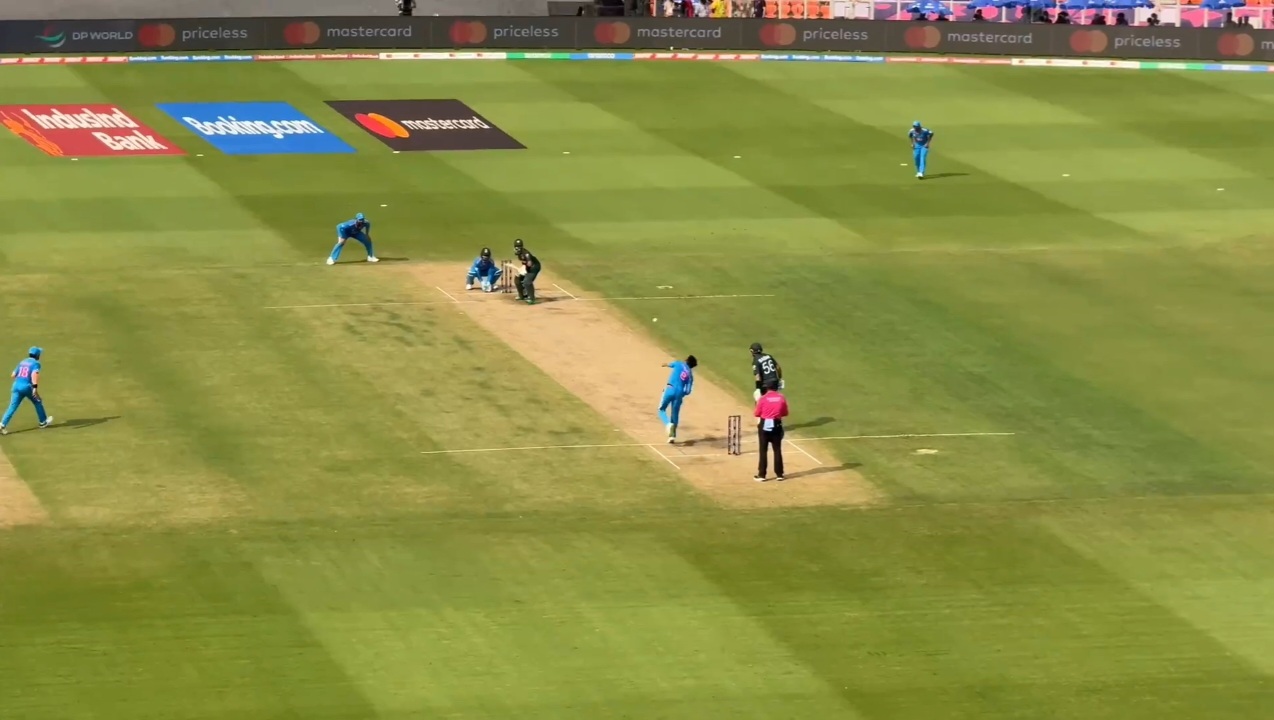
Broadcasters say cricket draws viewers, therefore cricket receives airtime. Sponsors say cricketers have recognition, therefore cricketers receive campaigns. Newsrooms say readers click cricket, therefore cricket occupies the homepage. Each statement is individually plausible and collectively circular. Recognition is produced through repetition. A young wrestler shown only after winning a medal cannot have the familiarity of a batter whose airport arrival, practice session and birthday cake have all been televised.
I am not asking networks to pretend every preliminary heat commands the audience of an India-Pakistan final. I am asking them to recognise that demand can be cultivated. Explain qualification pathways. Show domestic trials. Introduce coaches. Follow an athlete through injury and selection. By the time a major event begins, the viewer should know what victory costs. Cricket’s emotional power did not descend from the heavens fully sponsored; decades of storytelling built it.
Hockey demonstrates the point. When India contest major tournaments, the audience appears because the shirt carries history and recent teams have supplied results. But between events, domestic hockey remains difficult to follow consistently. We cannot build a serious sports culture on patriotic appointments every four years. The league system, national championships and junior pathway need regular windows, dependable streaming and journalism that extends beyond federation press releases.
The same applies to sailing, wushu, rowing, wrestling and shooting. These sports can seem inaccessible because their vocabulary is unfamiliar. That is a production challenge, not an audience defect. A competent commentator can explain why a tactical penalty matters or how wind shifts transform a race. Indian viewers learned net run rate, impact-player rules and auction purses because media explained them repeatedly. We are capable of learning more than one scoreboard.
Medals do not prove the system is healthy
A medal tally is seductive because it compresses messy institutions into one number. Eighty-five medals sound like a verdict. They are not. The total can conceal disciplines where India stagnated, athletes who trained without adequate competition and federations whose governance remains opaque. Celebrating success should sharpen scrutiny, not suspend it.
I want sport-by-sport reviews published after every Asian Games and Olympics: planned targets, achieved results, spending, injuries, international exposure and next-cycle priorities. These reviews should protect legitimate medical privacy but name administrative failures. Government funding through schemes and federations is public money. Athletes are constantly judged by centimetres and hundredths of a second; officials should survive a spreadsheet.
Funding also needs continuity. The Indian system often becomes generous once an athlete enters the elite group, while the layer below struggles for coaching, nutrition and travel. That creates a narrow peak without a broad base. A champion retires or is injured, and an event disappears from relevance because two generations were never developed behind her. Cricket can absorb such shocks because its pipeline is enormous. Olympic sports cannot.
States should specialise without turning athletes into trophies for chief ministers. Odisha’s investment in hockey showed what long-term association can accomplish, but every state need not copy the same discipline. Coastal states can develop sailing and rowing; regions with established wrestling cultures can modernise training and sports science; hill states can support endurance events and archery. The Centre should coordinate standards and data while allowing local ecosystems to grow around actual strengths.
The athlete should not have to become an influencer
One of the cruellest modern expectations is that athletes outside cricket must also become full-time content creators. We tell them sponsorship depends on followers, so a shooter or boxer is expected to train, recover, travel, manage federation paperwork and produce cheerful reels explaining her personality. Meanwhile a moderately known cricketer receives brand attention through the automatic machinery of broadcast exposure.
Some athletes enjoy social media and use it brilliantly. Good for them. It should not be an unofficial selection trial for financial survival. Sponsors and public institutions can fund athlete collectives, documentary crews and professional media support rather than demanding that every competitor master lighting and algorithms. A quiet personality is not a commercial defect. Sport ought to leave room for people whose chief talent is doing an extraordinarily difficult physical thing.
Journalism shares responsibility. Too many profiles rely on two templates: heroic poverty overcome or family sacrifice rewarded. Those stories can be true, but repetition turns athletes into moral fables instead of professionals. Ask them about tactics, training loads, equipment and rivals. Let a female athlete be analytical, irritable or ambitious without forcing her into the role of grateful daughter of the nation.
The Asian Games also expose the gender contradiction in Indian sport. Women are celebrated when they win, often with extravagant language about daughters making the country proud, yet face thinner domestic competitions, safety concerns in training environments and intrusive judgment about appearance or marriage. Medals cannot be our annual licence to ignore those conditions.
What equal seriousness would look like
I am not proposing equal airtime for every sport every day. Equal seriousness is different from equal volume. It means accurate schedules, named reporters, reliable results pages, informed commentary and follow-up after the podium. It means a federation controversy is investigated even when no famous cricketer can be inserted into the headline. It means broadcasters acquire rights with a plan to promote events rather than hide them inside an app.
Schools and cities matter as well. Children cannot aspire to sports they never see or facilities they cannot reach. Public grounds should publish access hours. Federations should run post-Games clinics featuring returning athletes. Universities need meaningful competition and scholarships that do not require students to choose between attendance rules and national camps. None of this is glamorous, which is why it is more important than another felicitation ceremony.
Cricket is not the villain. I enjoy it, and its commercial success offers lessons in packaging, scheduling and hero creation. The mistake is treating its dominance as a law of nature. India is large enough to sustain multiple sporting publics. A hockey fan can also follow the IPL; a badminton viewer does not cancel a cricket subscription by caring about wrestling.
The 85 medals mattered because they represented hundreds of individual contests and years of work. They should also embarrass an attention economy that notices most of those lives only after victory. Athletes have already done the difficult part: they gave us compelling stories. The rest of us—broadcasters, sponsors, federations and journalists—must stop pretending we cannot find them.