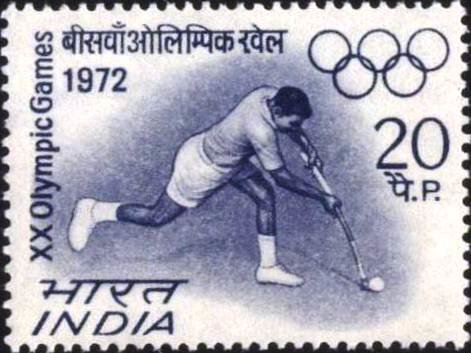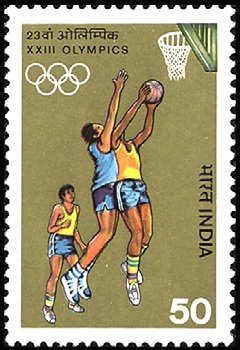
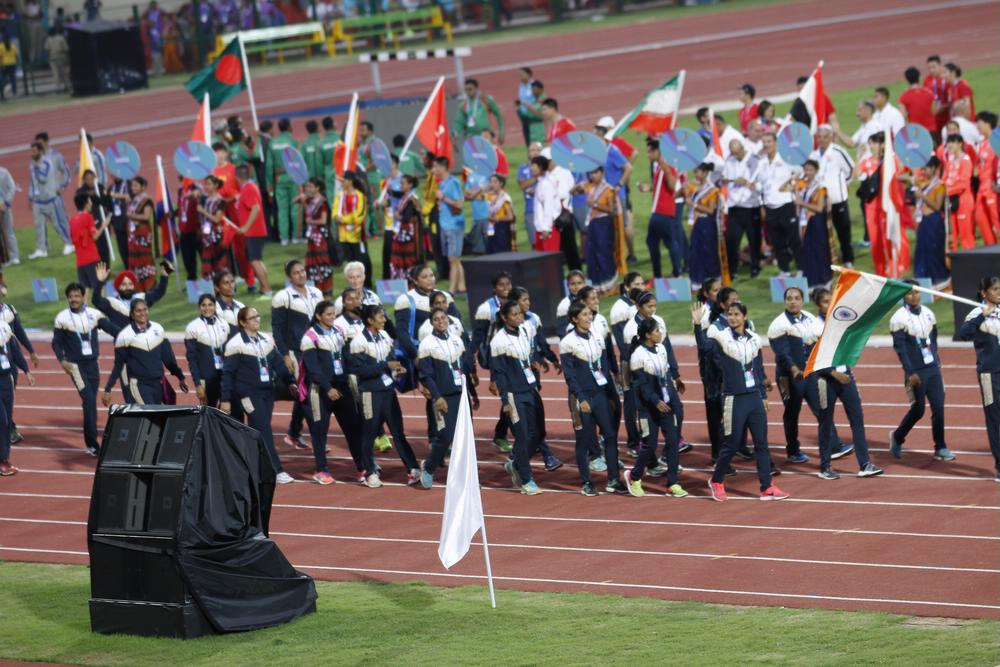
India can win medals across athletics, shooting, archery, badminton, wrestling, hockey and other disciplines, and our public response still follows a familiar script. We celebrate for forty-eight hours, circulate a podium photograph, ask the athlete to explain sacrifice, and return to debating a cricketer’s practice-session expression. The problem is no longer that success outside cricket does not exist. It is that our attention system treats such success as an interruption.
The Olympic movement’s official Olympics.com platform documents the international pathways in which Indian athletes compete, while domestic specialist publication The Bridge follows disciplines that general sports desks often visit only during major events. That contrast tells its own story. Fans are not inherently uninterested in non-cricket sport; they are routinely offered too little continuity to form knowledge, rivalries and attachment.
A medal is the end of a story we failed to cover
When an Indian athlete reaches an Asian Games or Olympic podium, the performance is presented as sudden revelation. It is rarely sudden. It follows national camps, qualification events, injuries, federation decisions, equipment struggles, coaching changes and years of competition. Those chapters contain drama, but they occur outside the two-week window when mainstream outlets remember the sport exists.
Continuity changes how audiences experience victory. A viewer who knows an archer’s recurring technical problem understands the pressure of a final. A fan who has followed a runner through a season recognises the significance of a personal best. Without that context, medals become interchangeable units of nationalism. We cheer the flag but barely learn the athlete’s craft.
Cricket coverage works because it is abundant, not because every cricket match is intrinsically fascinating. Preview shows, statistics, interviews, tactical analysis and domestic reporting teach audiences what to notice. Non-cricket sport is often given the opposite treatment: almost no preparation, then a demand that viewers instantly care during a final. Editors subsequently cite modest ratings as proof of limited interest. That is not market discovery. It is a self-fulfilling scheduling decision.
I am not asking cricket to shrink. Its popularity supports an enormous ecosystem and provides genuine pleasure. I am asking why sports departments behave as if attention were a mineral already exhausted by cricket. Digital publishing has made space less scarce. A federation event can be streamed; a reporter can specialise; highlights can travel; athletes can build audiences directly. The missing ingredient is sustained editorial commitment.
Funding must reward systems, not photo opportunities
Government programmes and corporate support have improved elite preparation in several disciplines. Athletes today can access international coaching, sports science and competition exposure that earlier generations often lacked. Yet support remains uneven and vulnerable to the glamour of medal probability. A system that funds only athletes already close to podiums harvests success without cultivating enough of it.
Grassroots facilities matter, but the phrase can become a ceremonial bucket into which every vague promise is dropped. A usable grassroots system requires coaches who are paid on time, safe facilities for girls, local competitions, equipment maintenance, transport, nutrition and a route from school to district to national level. Constructing a stadium is easier than operating one well for a decade.
Federations must also become more accountable. Athletes should not have to spend competitive energy navigating selection opacity, administrative factionalism or delayed entries. Public money should bring public standards: published selection criteria, audited accounts, functioning grievance systems and athlete representation. Criticising federation governance is not negativity toward Indian sport. It is respect for the people whose careers can be altered by an unsigned email.
Corporate sponsorship has its own distortion. Brands arrive after a medal when an athlete’s story is polished and emotionally safe. The brave investment occurs earlier, when qualification is uncertain and visibility limited. Multi-year support for a group of developing athletes may produce fewer immediate advertisements but greater sporting value. Sponsors that speak endlessly about purpose could discover that purpose involves risk.
Women athletes are asked to carry extra symbolism
Indian women in sport are routinely required to represent more than performance. Their clothes, marriages, families, accents and bodies become public property. A male athlete can have a bad tournament; a woman’s loss is sometimes recruited into an argument about whether women’s sport deserves investment. Victory, meanwhile, is narrated as a morality tale about overcoming society, even when the athlete would rather discuss technique.
Those stories of resistance matter, but they should not swallow the sport. I want to hear why a boxer changed distance, how a shooter rebuilt a routine, why a hockey press failed, or what an athlete altered in training. Technical respect is equality. Endless inspiration can become another form of condescension, turning elite professionals into motivational posters.
Media organisations should hire and retain reporters who understand these disciplines. Expertise cannot be assembled from search results on the morning of a final. Commentary teams need language skills, tactical knowledge and the confidence to criticise Indian performances without treating criticism as disloyalty. Fans become more sophisticated when coverage assumes they can learn.
Regional-language reporting is crucial. Many athletes emerge from towns where English-language national media has little daily presence. Local journalists often know coaches, families and institutions long before a podium creates interest. Partnerships, grants and syndication could bring that knowledge to wider audiences while compensating the reporters who developed it.
Build seasons people can follow
Indian sport needs a clearer public calendar. Fans should know when national championships, qualification events and major international meets occur. Federations can coordinate schedules, publish reliable results and make archives accessible. A website that fails under ordinary traffic is not a minor embarrassment; it severs the relationship between athlete and audience.
Broadcasters understandably seek viable products, but viability can be built. Package events into consistent windows. Explain stakes before competition begins. Make highlights freely discoverable. Put athletes in studios for analysis rather than only sentimental interviews. Create documentary access that follows seasons, not just triumphant endings. Sport becomes culture through repetition.
Schools and universities should be part of the audience plan as well as the talent plan. Tickets for local events can be distributed through institutions, athletes can visit campuses, and federations can create beginner guides that turn unfamiliar rules into curiosity. Cricket’s language is learned socially from childhood. Other sports need similar points of entry.
There is a counterargument that audiences simply choose cricket and media companies merely reflect preference. Choice is real, but it is shaped by availability, promotion and familiarity. If one product receives year-round prime placement and another appears behind a broken stream every four years, their demand cannot be compared honestly. Markets are not weather systems. Institutions create them.
India’s recent multi-sport progress should alter our expectations. We are past the era when one medal could be narrated as an inexplicable national miracle. Athletes now arrive with world rankings, professional teams and serious support. The country’s conversation must mature at the same speed. That means analysing failure, appreciating incremental gains and following careers between ceremonies.
I want the next generation of Indian fans to recognise champions before the medal, not after a viral clip instructs them to. I want athletes to be known for competitive identities rather than hardship summaries. And I want cricket supporters to discover that attention is not betrayal: enjoying a Test match on one screen and an archery final on another is not a constitutional crisis.
Our athletes have widened the map of Indian possibility. Media and sponsors continue to look through a keyhole. The medals deserve celebration, certainly, but the people who win them deserve something harder and more valuable: sustained attention when the podium has been packed away.