An electric-car salesperson can turn geography into optimism. The touchscreen map fills with charging pins, highway trips become effortless and the customer is assured that the network is growing daily. What the map does not show is whether the charger is powered, occupied, compatible, blocked by a diesel car, limited by a broken app or located behind a gate that closes at ten. India’s EV transition has moved beyond the question of whether chargers exist. The meaningful question is whether an ordinary driver can complete a charging session without planning like an expedition leader.
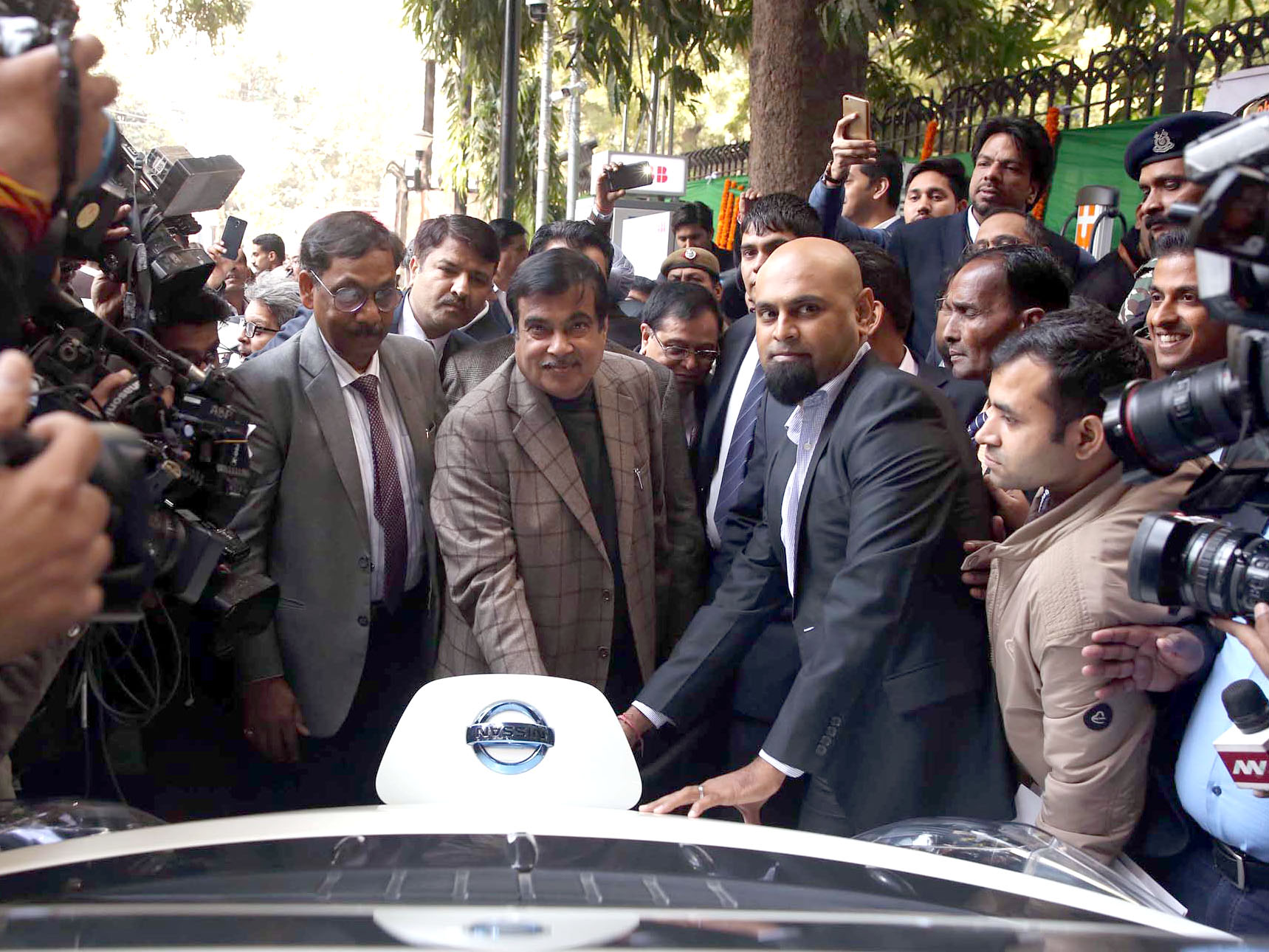
The government’s PM E-DRIVE programme has at least begun addressing public charging with more operational detail. The charging-station guidelines discuss categories of sites, upstream power infrastructure, nodal agencies and support levels. The scheme document page also publishes subsequent guidance and FAQs. This is better than announcing a heroic charger count and leaving implementation to a chain of confused authorities. But policy will succeed only if it measures service, not hardware.
A charger is not infrastructure until it works
India often reports charging points sanctioned, tendered or installed. Drivers care about uptime, power delivered and queues. A unit awaiting a transformer is street furniture. A fast charger that repeatedly derates in heat is not fast in any useful sense. A station requiring one operator-specific wallet, a second app for discovery and a third phone call to restart the session has failed even if the machine eventually dispenses electricity.
Public support should therefore be linked to operational metrics. Networks receiving subsidy can report availability, successful session rates, average downtime, utilisation and effective charging speed. Data should be independently auditable and exposed through open interfaces so navigation apps can show live status. Operators will object that transparency reveals commercial information. The public is paying partly for the network; basic reliability is not a trade secret.
Apartment charging is the real battleground
Most EV ownership works best when the car charges slowly where it parks overnight. For millions of urban residents, that means a cooperative housing society, rented building or shared basement. Here the transition collides with wiring capacity, fire anxiety, parking disputes and committees that can debate one cable for six months. Public fast charging cannot compensate fully for the absence of dependable home charging. It is costlier, harder on time and often less convenient than fuelling.
States need model rules for residential charging: clear approval timelines, metering options, load assessment, safety standards and a fair method for shared electrical upgrades. Distribution companies should offer standard application processes and publish charges. Builders must provide conduits and electrical capacity in new projects rather than forcing retrofits later. “EV ready” should have a technical definition, not mean two green parking bays painted near reception.
The grid is local before it is national
National generating capacity can support many EVs over time, especially when charging is shifted away from peaks. Yet the constraint an owner experiences is local: a transformer, feeder or sanctioned load. Clusters of fast chargers can create substantial demand at sites not designed for it. Upstream support in the policy is therefore crucial. Subsidising chargers while ignoring the connection can produce stranded equipment and arguments between agencies about who pays for wires.
Smart tariffs should encourage overnight and off-peak charging without becoming incomprehensible. Fleet depots, buses and trucks need planned connections because their loads are large and schedules predictable. Renewable generation and storage can help certain sites, but solar panels in a publicity photograph do not automatically power high-speed charging. Honest energy accounting matters. The point of electrification is lower emissions and better efficiency across the system, not a decorative canopy.
Highways need redundancy, not isolated hero chargers
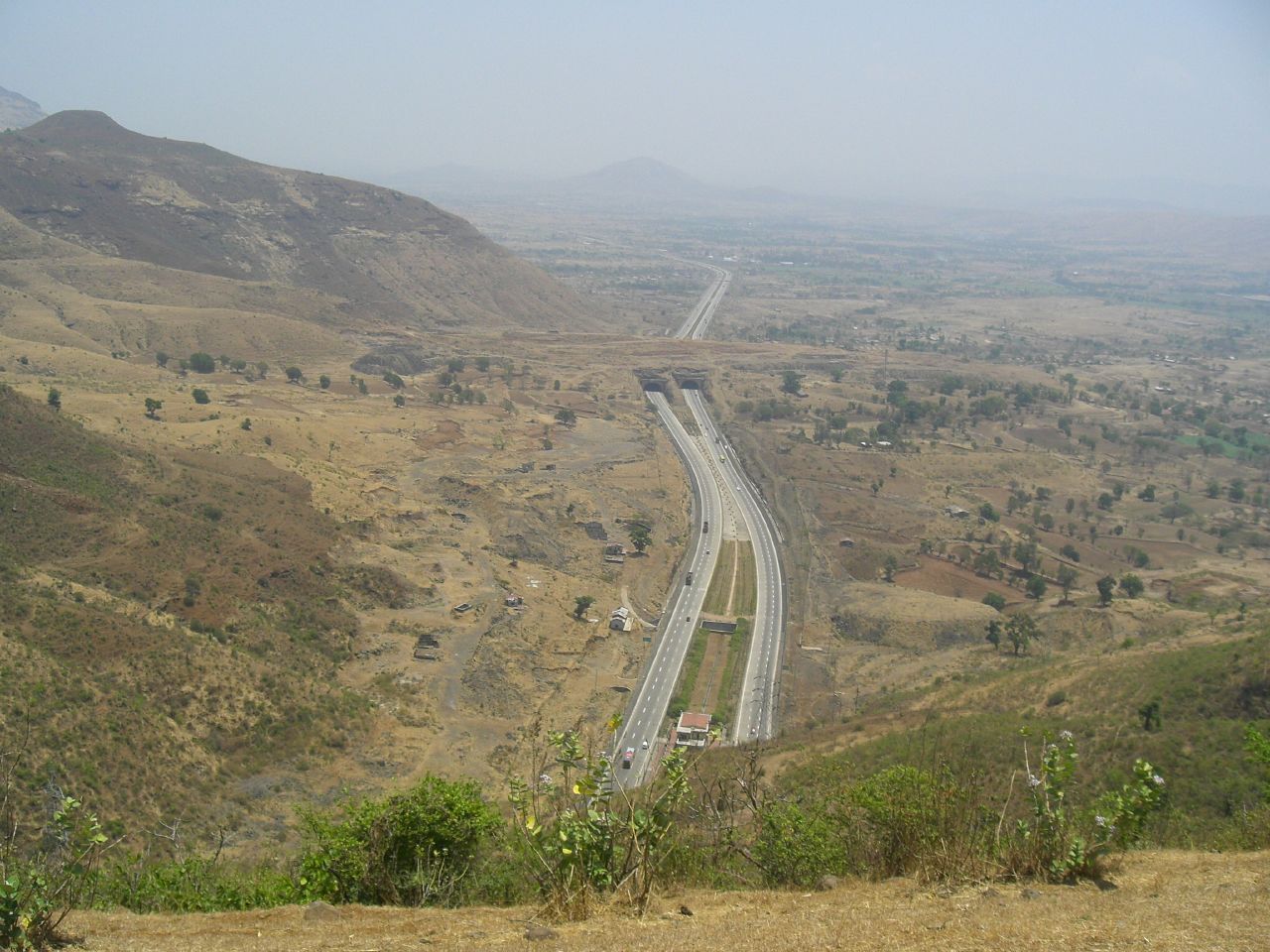
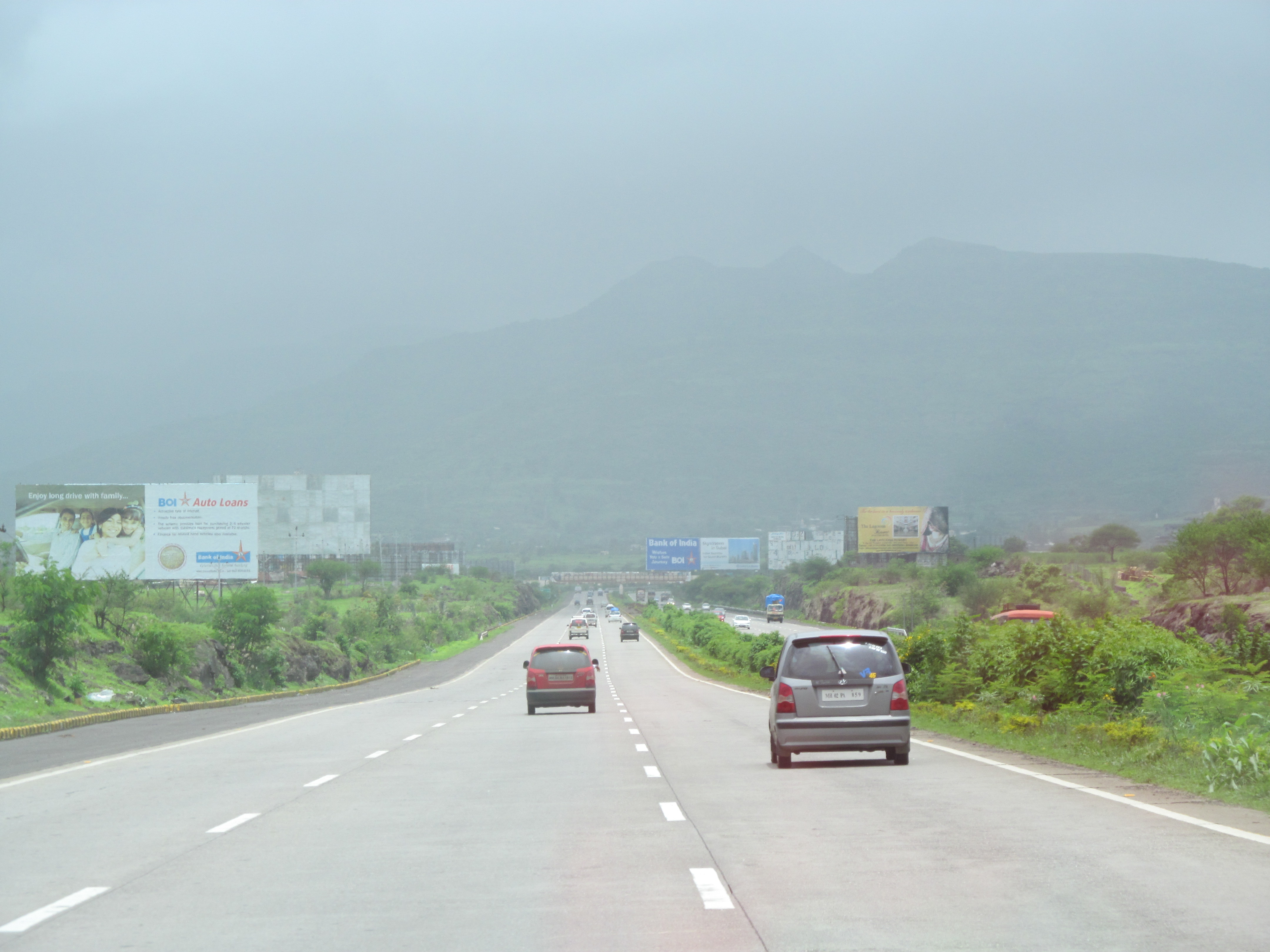
For intercity travel, station spacing receives most attention. Redundancy matters just as much. If a corridor has one compatible fast charger at a crucial stop, that charger is a single point of holiday failure. A useful hub needs multiple guns, dependable power, lighting, toilets, food and staff or remote support. It must be accessible at all hours and designed so queuing vehicles do not block circulation.
Government-controlled toll plazas, fuel outlets and wayside amenities are sensible locations. Site selection should consider traffic and dwell time rather than distribute machines evenly for political photographs. Busy routes may need large hubs; quieter roads may need modest but reliable coverage. The network should publish expansion priorities so carmakers do not market theoretical cross-country capability ahead of infrastructure.
Payments must become boring
No driver wants an exclusive relationship with a charger. India solved interoperable small payments in other contexts; charging should not retreat into closed wallets and minimum balances. UPI, cards or roaming arrangements should permit straightforward payment. Tariffs need to display energy price, time fees, taxes and penalties before a session. A driver should receive a digital receipt showing units delivered and session duration.
Time-based parking fees after charging are reasonable because an occupied connector cannot serve another vehicle. They must account for failed notifications and inaccessible late-night sites. Consumer grievance systems should distinguish billing disputes from equipment faults and provide prompt refunds. The amount may be small; the destroyed confidence is not.
Carmakers share responsibility
Manufacturers cannot advertise public charging as a seamless ownership benefit and then redirect every complaint to an operator. They should integrate live status, route planning, battery preconditioning where available and transparent compatibility into the car and app. Dealers must explain home-installation requirements before booking, conduct site surveys promptly and stop quoting idealised range as a travel guarantee.
Range varies with speed, temperature, load, terrain and air-conditioning. A competent delivery specialist should teach owners how to plan with a buffer and what charging curve to expect. The final twenty percent of a battery may fill slowly; plugging into a charger labelled with a high maximum does not mean the car accepts that rate. Education prevents both disappointment and unnecessary occupation of fast chargers.
Do not forget two- and three-wheelers
Public debate gravitates toward electric cars because cars make photogenic charging plazas. India’s electrification gains may be larger and faster in scooters, rickshaws, delivery vehicles and buses. Their infrastructure needs differ. Two-wheelers may rely on home sockets or swapping; commercial three-wheelers need dependable daily energy near routes; buses require depots with major grid planning. One national charger count flattens these distinct systems.
Safety and informal charging deserve attention. Extension cords across pavements, overloaded sockets and unverified battery repairs create risk. Rules must be enforceable without criminalising owners who lack formal options. Affordable certified equipment, inspections and neighbourhood charging can move behaviour into safer channels.
Count completed journeys
I support PM E-DRIVE’s willingness to fund upstream infrastructure and differentiate locations. The policy recognises more of the system than early subsidy programmes did. Now implementation must avoid the tender trap in which the lowest bidder installs equipment, maintenance budgets fade and officials celebrate commissioning. Contracts need uptime obligations, spare-parts plans and consequences that are actually enforced.
The EV transition will not be linear. Some regions and vehicle classes will move faster. Battery prices, models and standards will change. Public funding should build interoperable foundations rather than freeze one company’s network. Data, connectors, payment access and safety requirements must remain open enough for competition.
I want the showroom map to become truthful. That means fewer impressive pins and more dependable sessions; fewer installed-charger headlines and more apartment approvals; fewer range boasts and more trained owners. India does not need a charger visible every few kilometres if half of them are uncertain. It needs drivers to arrive, plug in, pay and leave without acquiring a story. Infrastructure is successful when it becomes boring. We are not there yet, but policy is finally asking some of the right, unglamorous questions.