Every electric-car launch contains the same serene image: a vehicle charging beside a spotless highway café while its owner drinks coffee under an empty sky. Most Indian EV ownership is less cinematic. It involves a basement parking bay, a suspicious residents’ welfare association, a cable route nobody approved, a meter nobody can price and a transformer the building manager insists will explode if one more appliance is added. Public fast charging matters, especially between cities. But India’s EV transition will be won or lost where cars spend the night. If home and workplace charging remain bureaucratic privileges, electric cars will stay easiest for people with independent houses and predictable parking—the very buyers who need policy help least.
Sanctioned chargers are not charging experiences
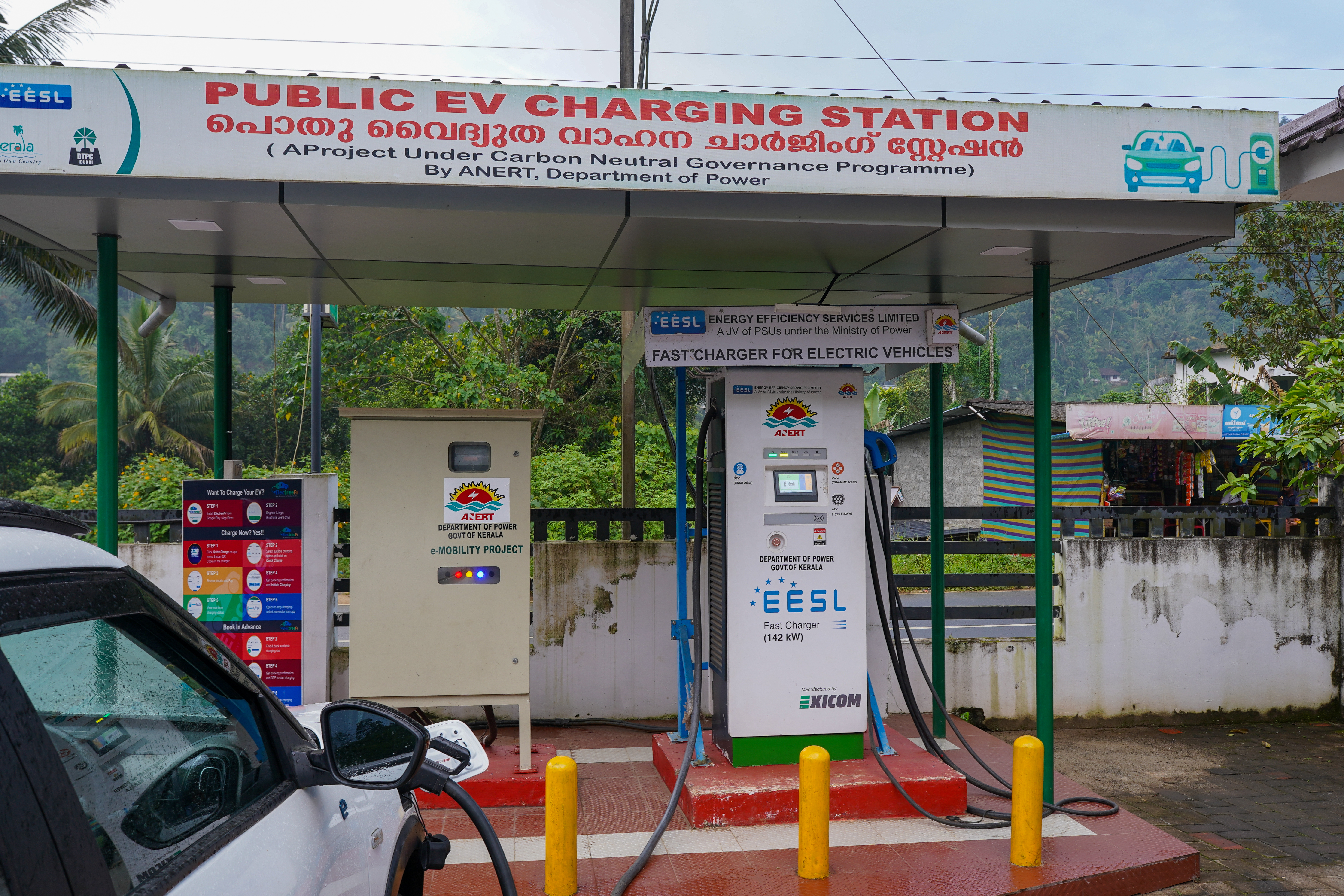
The government’s PM E-DRIVE guidelines create a framework for public charging support, and the scheme rightly directs money toward upstream electrical infrastructure as well as charging equipment. That distinction matters. A shiny dispenser is useless without an adequate connection, safe installation and an operator capable of maintaining it. Infrastructure should be counted only when commissioned, discoverable, accessible and reliably dispensing power.
A 2026 government status statement reported funding approvals for thousands of chargers and broader EV support under PM E-DRIVE. I welcome the scale, but approvals are promises. Drivers experience uptime. Public dashboards should show location, connector type, power, commissioning status, real-time availability, tariff and maintenance history. A station that exists on a map but fails during a trip actively damages confidence because it converts planning into stranding.
Operators must also simplify payment. Requiring a different app, wallet balance and account for each network is absurd. A charger should accept UPI or a bank card without registration. Apps can provide reservations and loyalty benefits, but electricity should not require a digital courtship ritual. Interoperable roaming and common data standards would allow drivers to see accurate availability across networks. The petrol pump solved basic payment decades ago; electric mobility should not regress.
The apartment is the missing charging policy
Most private cars sit for long hours at home, which makes slow overnight charging cheap and gentle on batteries. In apartment buildings, however, residents may not own the electrical route between meter and parking bay. Associations worry about fire, billing, common-area load and fairness. Some concerns are legitimate; others are reflexive resistance to change. States need model rules that establish a resident’s right to request charging subject to certified safety and capacity checks, with defined timelines and appeal mechanisms.
The process should begin with a building-level load assessment. Instead of installing isolated cables for each early adopter, societies can create shared conduits, smart load management and sub-metering. Chargers do not all need to draw peak power simultaneously. Software can allocate capacity overnight, when other demand falls. Distribution companies should offer standard connection products and publish upgrade costs. Without templates, every building reinvents the argument and every EV owner becomes an unpaid electrical consultant.
Fire safety must be specific, not theatrical. Blanket basement bans sound decisive but may push owners toward unsafe extension cords. Certified equipment, residual-current protection, cable management, ventilation where required and emergency procedures reduce risk. Fire services, electrical inspectors and automakers should publish common guidance. Residents deserve evidence on battery incidents and charging safety, not WhatsApp videos from unrelated countries presented as engineering analysis.
Highways need reliability, cities need access
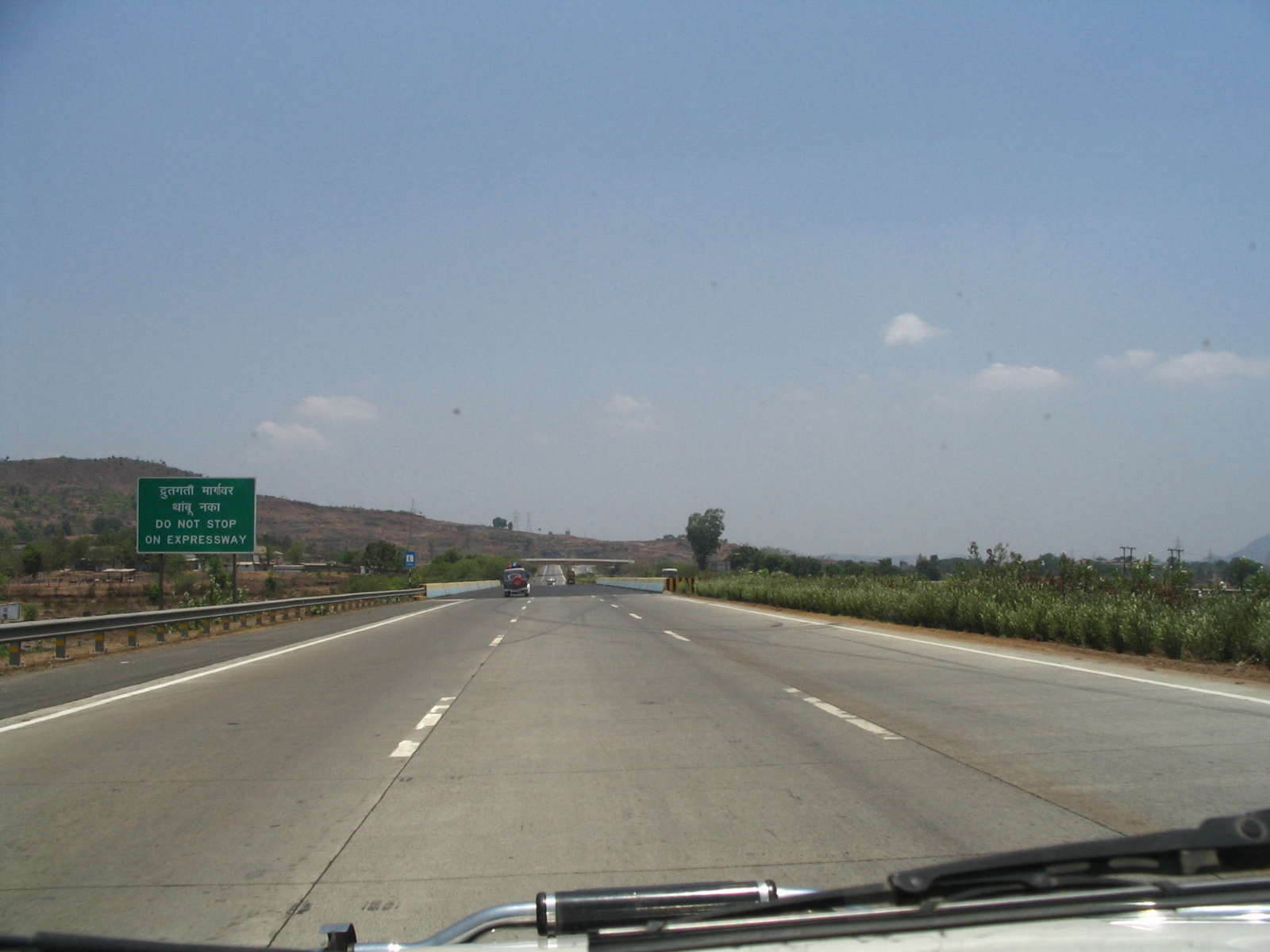
Fast chargers along national corridors are essential for intercity confidence, but placement should follow travel behaviour. Sites need toilets, lighting, security and food options, because charging takes longer than refuelling. Multiple dispensers reduce queues and provide redundancy. A single charger at an isolated location is not a network; it is a gamble with branding. Service-level agreements should tie subsidies to uptime and repair response.
Urban charging has different needs. Taxis, delivery fleets and residents without fixed parking require hubs near work patterns rather than tourist routes. Kerbside charging may help in dense areas if municipalities manage parking enforcement. Workplace chargers can absorb daytime renewable generation. Shopping centres can provide slower destination charging without pretending every plug must be a high-power unit. Policy should match dwell time to charging speed instead of maximising kilowatt numbers for publicity.
Tariffs require clarity. Drivers should know energy cost, parking fee, idle fee and tax before connecting. Dynamic pricing may help manage demand, but hidden charges will alienate users. Publicly supported chargers should disclose utilisation and pricing. If subsidies build infrastructure that remains expensive and empty, the programme has funded equipment rather than mobility.
The car purchase must include an infrastructure interview
Salespeople discuss claimed range and acceleration because both sell cars. Buyers should ask less glamorous questions. Who surveys the home? What will installation cost after the complimentary cable ends? How long does approvals work take? What happens if the charger fails? Which public networks are integrated into the car’s navigation, and does route planning account for elevation, heat and charger status? A vehicle with an excellent battery can still be a poor ownership proposition if support ends at the showroom door.
Range estimates need Indian realism. Air-conditioning, high speed, gradients, payload and temperature change consumption. Owners do not require one perfect number; they need an honest range band and efficient planning tools. Automakers should publish standardised city and highway figures under varied conditions. The industry spent years teaching petrol buyers to distrust claimed mileage. EVs should not repeat the lesson with larger consequences.
Battery warranties also deserve scrutiny. Capacity thresholds, diagnostic procedures and exclusions vary. A long headline warranty may not guarantee replacement for ordinary degradation. Buyers should understand what percentage of capacity is covered, how health is measured and whether a dispute can be independently reviewed. Used-EV markets will depend on credible battery certificates. Without them, depreciation may frighten buyers more than range.
India’s EV transition is progressing, and government support for buses, two-wheelers, manufacturing and chargers is significant. Yet adoption is not a national average. It is a household decision shaped by parking, electricity and daily routes. A buyer in a Gurgaon tower, a Pune renter and a Kochi taxi operator face different barriers. Policy must become local enough to solve them.
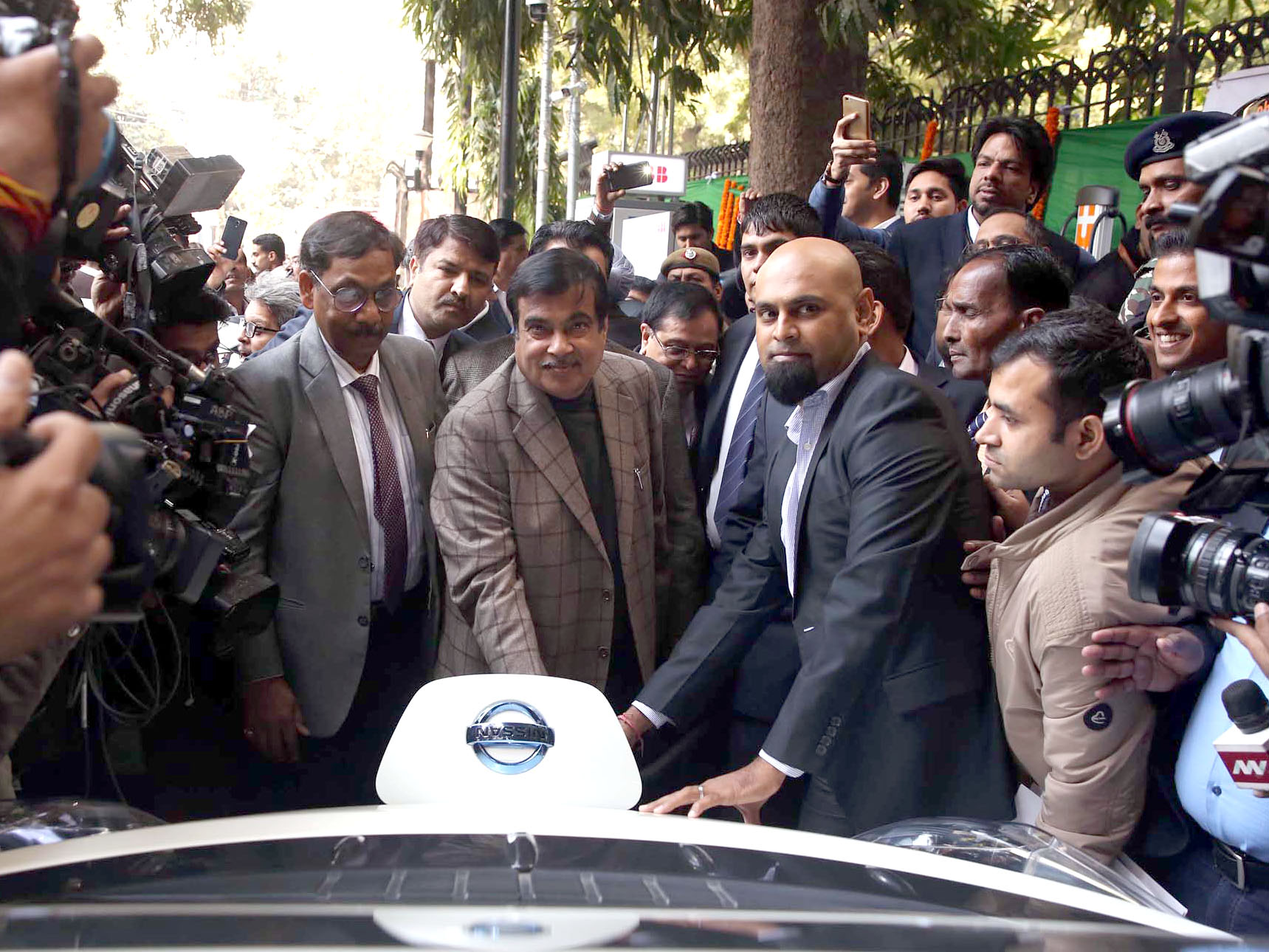
I am optimistic about electric mobility because it is mechanically efficient, increasingly pleasant to drive and well suited to many Indian journeys. But optimism should not become infrastructure cosplay. Chargers must work, societies must permit safe installations and tariffs must be intelligible. The transition will not be completed when a minister inaugurates a corridor. It will be completed when an ordinary apartment resident can install a modest overnight connection without convening a constitutional assembly in the basement.