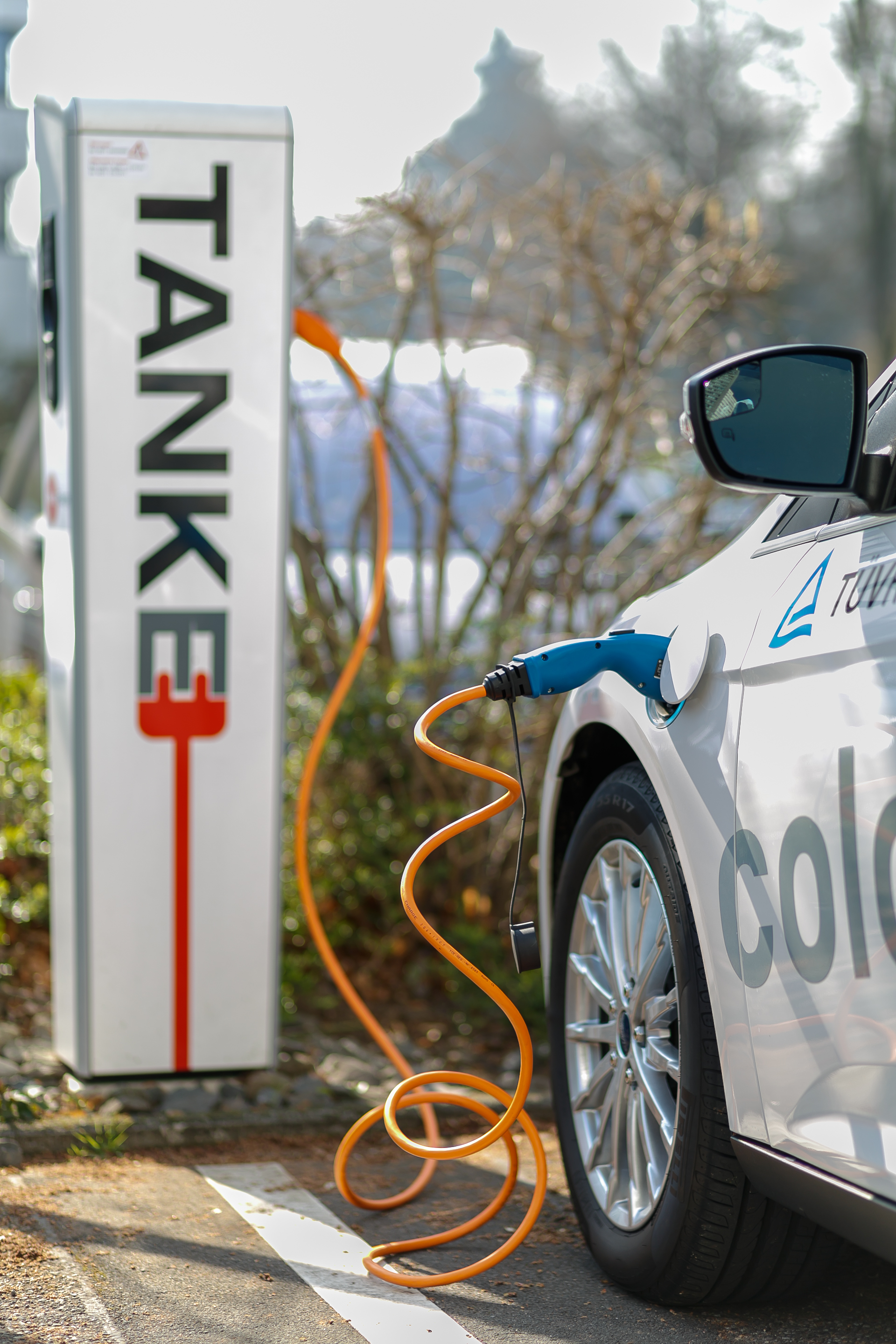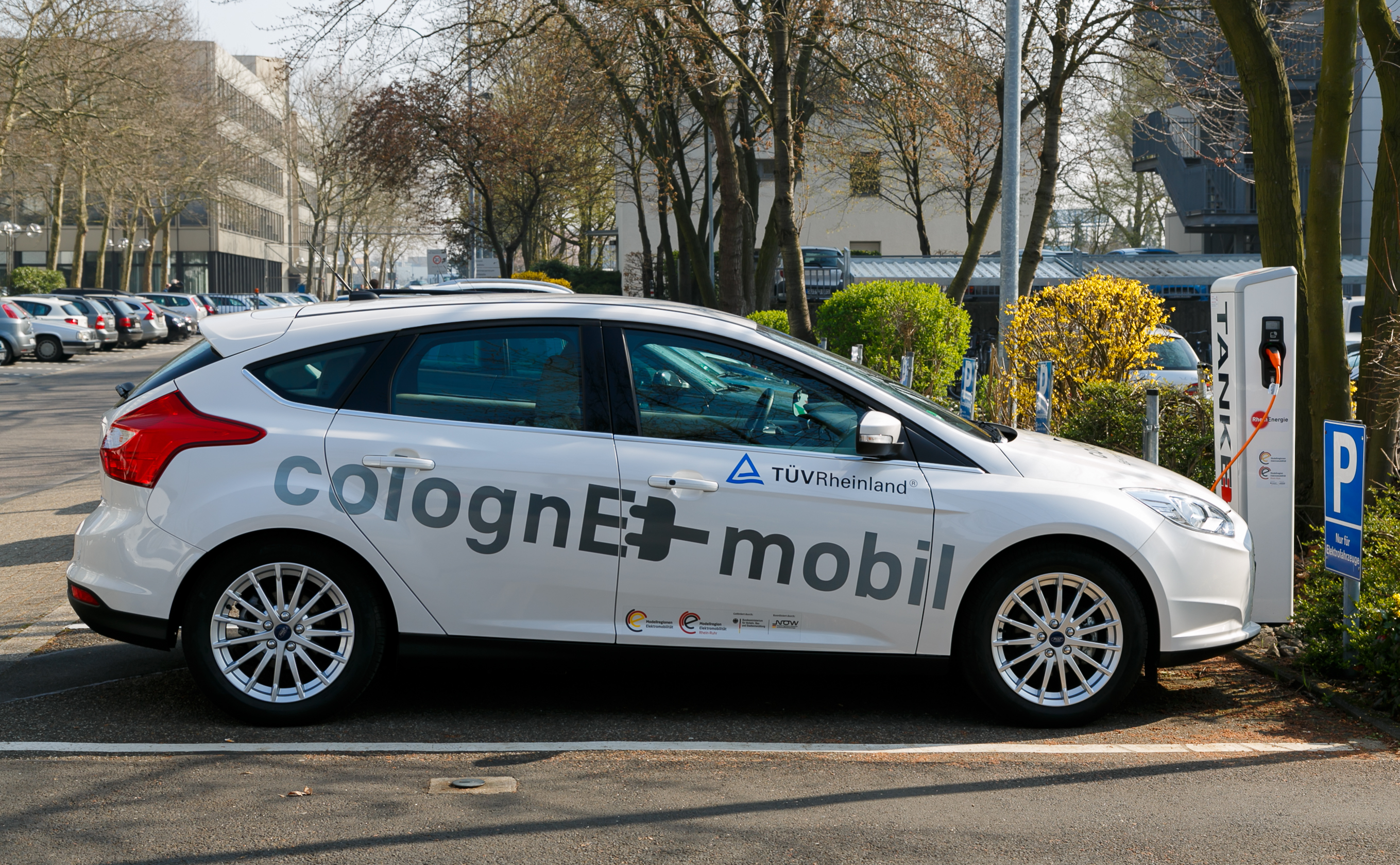
The easiest person to convert to an electric car is an urban homeowner with a reserved parking space, predictable daily travel and another vehicle for emergencies. Plug in at night, wake to a charged battery and enjoy quiet, inexpensive city kilometres. The hardest person is the apartment resident whose parking association debates a cable for six months. India’s EV conversation routinely pretends these are the same customer.
The Union government’s PM E-DRIVE framework is substantial: the official Gazette notification describes a ₹10,900-crore programme covering vehicles, infrastructure and ecosystem development. The Ministry of Heavy Industries also maintains the scheme portal. Incentives can accelerate supply. They cannot by themselves settle parking rights, distribution upgrades or whether a public charger works at midnight.
Home charging is the hidden subsidy
Owners with private sockets receive more than cheap electricity. They receive certainty, time and control. They rarely visit public chargers during normal weeks, so network failures appear as occasional inconveniences. Their ownership stories are sincere but not universally transferable.
Apartment residents must negotiate with resident welfare associations, landlords, electricity distributors and parking layouts. Questions arise over metering, fire safety, cable routes, sanctioned load and allocation of common expenses. None is impossible. Together they can make buying an EV feel like applying for a small infrastructure project.
States and cities need model apartment-charging rules with clear approval timelines. Housing societies should not be able to reject safe installations through vague anxiety, but individual owners should not casually draw power through unsafe extensions either. Standard load studies, certified installers, separate meters and transparent cost sharing would remove much friction.
A charger count is not a charging network
Public announcements love installed-charger totals. Drivers need a different set of numbers: uptime, connector availability, actual power delivered, payment success, queue length and access hours. A charger behind a locked hotel gate or inside a dealership that closes at seven is not equivalent to a twenty-four-hour highway station.
Operators should publish live reliability data through open interfaces so mapping apps and vehicle systems can show trustworthy status. Payment should not require a separate wallet and account for every network. Roaming and ordinary card or UPI acceptance would make charging resemble infrastructure rather than a collection of loyalty programmes.
Highway stations need toilets, lighting, food and safe waiting areas because charging takes longer than filling fuel. They also need enough bays that one failed unit does not strand a route. Redundancy is expensive, but a network designed only for average demand collapses during holiday peaks—the exact moment families judge whether an EV can replace their primary car.
The grid question is local
National electricity supply is only part of the issue. A neighbourhood transformer can face concentrated evening demand even when the wider grid has adequate capacity. Smart charging can shift loads to quieter hours, but tariffs and hardware must encourage it. Distribution companies need visibility into planned clusters instead of learning about demand after installations multiply.
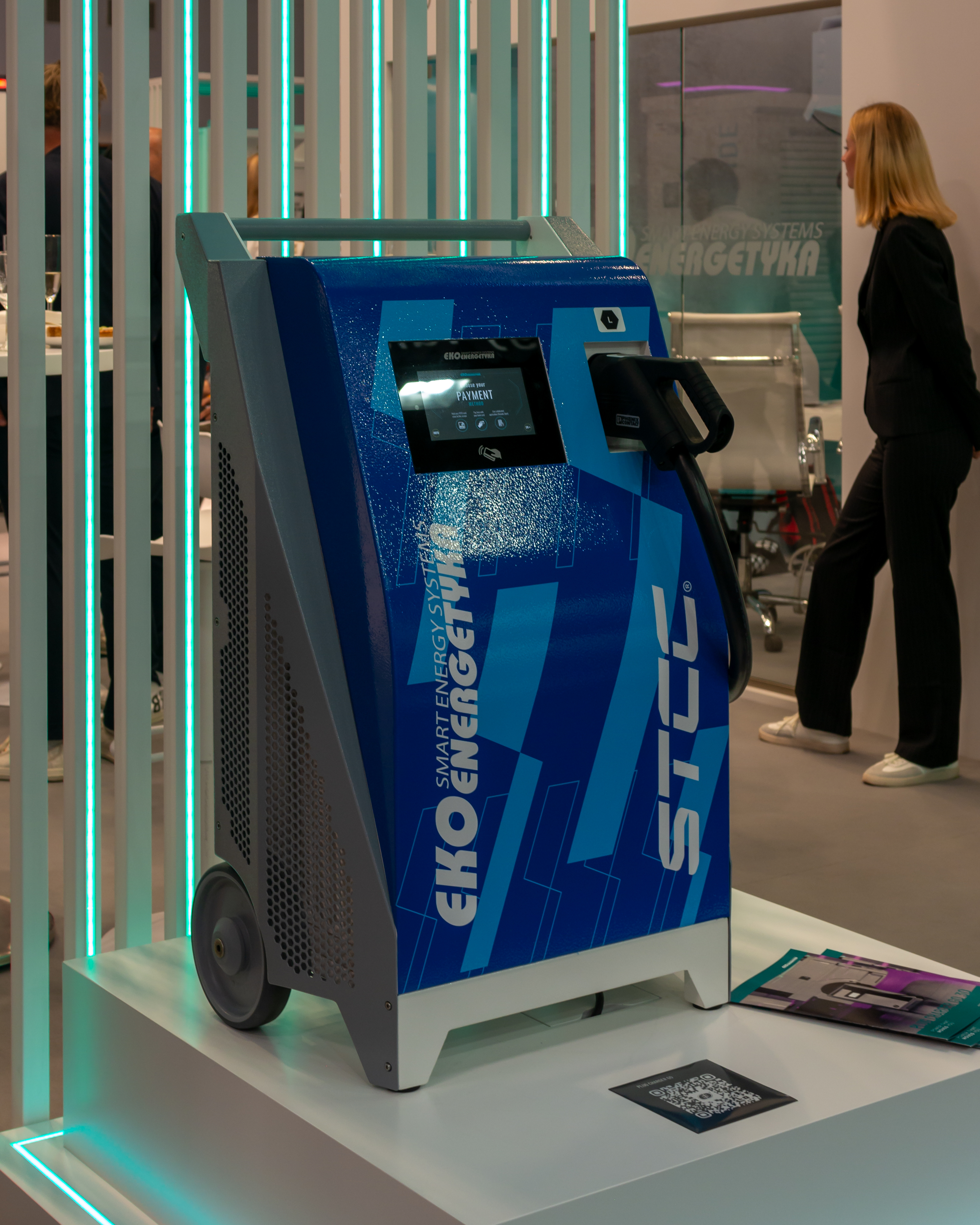
Fast chargers impose different requirements and should be located with grid capacity in mind. Renewable-energy claims also need temporal honesty: consuming electricity at night is not automatically solar powered because a project generated solar units at noon. Storage, grid mix and charging time influence emissions.
None of this invalidates EVs. Electric drivetrains are efficient, pleasant and well suited to Indian urban traffic. Two- and three-wheelers may deliver even larger fuel and pollution benefits because of their utilisation. My argument is against presenting transition as a showroom choice detached from housing and electricity policy.
Manufacturers should provide realistic range bands for heat, highway speeds, full loads and ageing rather than one certified figure. They should state battery-warranty conditions plainly and expand competent repair networks beyond sales-heavy metros. A damaged underbody pack or cooling-system fault demands specialised diagnosis; towing a car hundreds of kilometres is not a mature ecosystem.
The used market will be another test. Buyers need affordable battery-health reports and clarity on warranty transfer. Without trusted diagnostics, used EV values may remain uncertain, raising effective ownership cost for the first buyer. Standardised state-of-health certification could make batteries legible assets rather than mysterious sealed boxes.
India is right to support electrification, and the government deserves credit for funding buses, chargers and domestic capability rather than assuming private cars alone constitute transition. But success should be measured by ordinary usability. Can a tenant install charging? Can a woman safely wait at a highway station after dark? Can an operator repair a failed unit quickly? Can a used-car buyer understand battery condition?
My ideal EV policy document would contain fewer glamorous launch targets and more clauses about parking, uptime and maintenance. The transition will be won by these boring details. A showroom can sell an electric car in an hour. Building the conditions that let millions own one without a driveway is the harder, more important drive.