Lava’s announcement that smartphone prices will rise by as much as ₹3,000 from 15 November is awkward timing for anyone who mistakes domestic branding for supply-chain independence. The reported reason is pressure on memory components. PCQuest’s report describes the increase and memory shortage, while a recent TechRadar interview with Lava discusses its design, manufacturing capacity and overseas ambitions.
My conclusion is not that Make in India is fraudulent. It is that we should stop judging industrial policy at the factory gate.
Assembly was a necessary first rung
Critics enjoy sneering that Indian phones are “only assembled” here. That dismisses jobs, process knowledge, supplier coordination and the logistical capability required for high-volume electronics production. No serious manufacturing ecosystem begins with every component designed and fabricated domestically.
Government incentives helped India become a major assembly location. That is an achievement, particularly in a sector once dominated by imports of finished devices. The mistake is presenting the first rung as the top of the ladder.
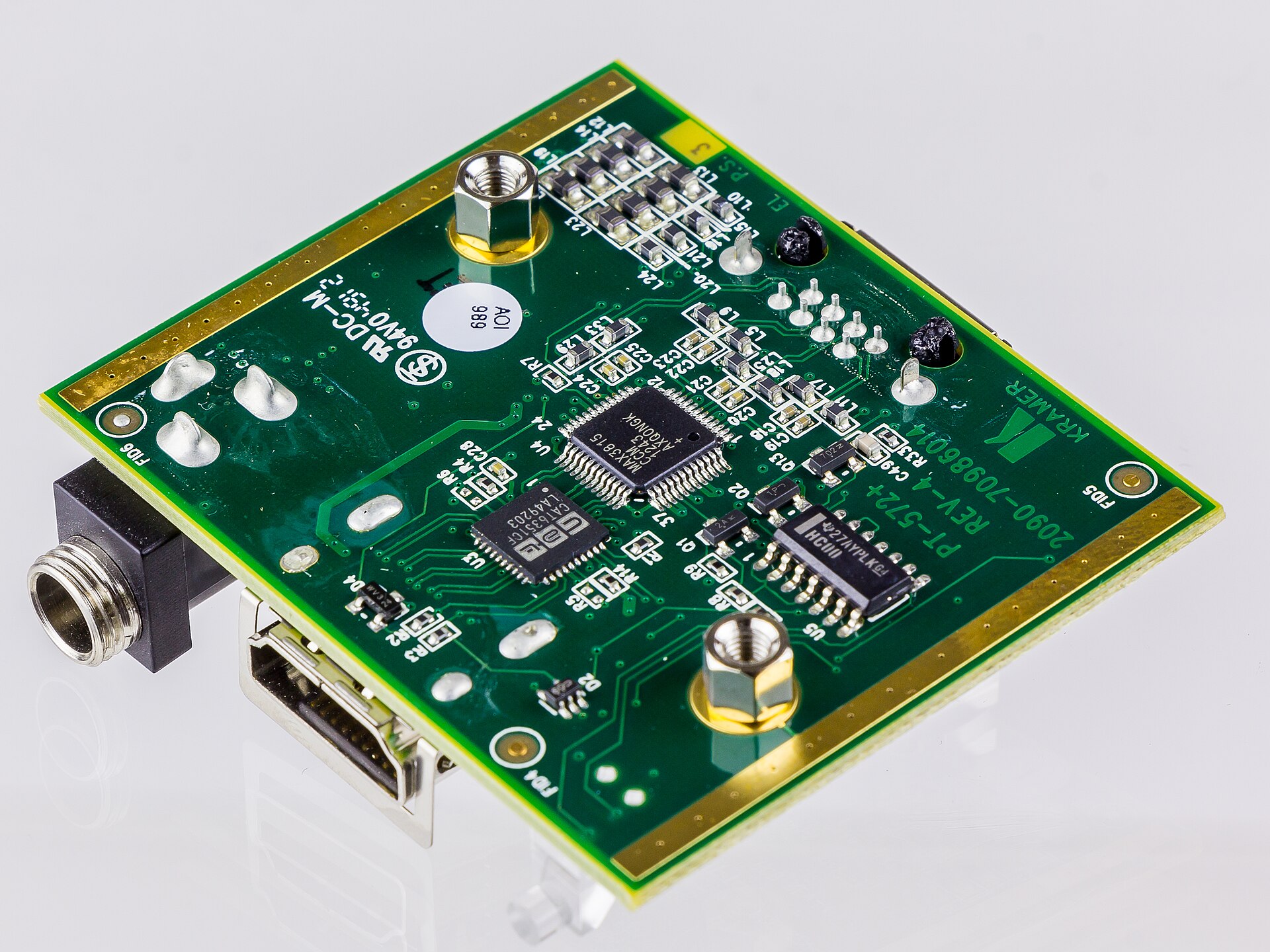
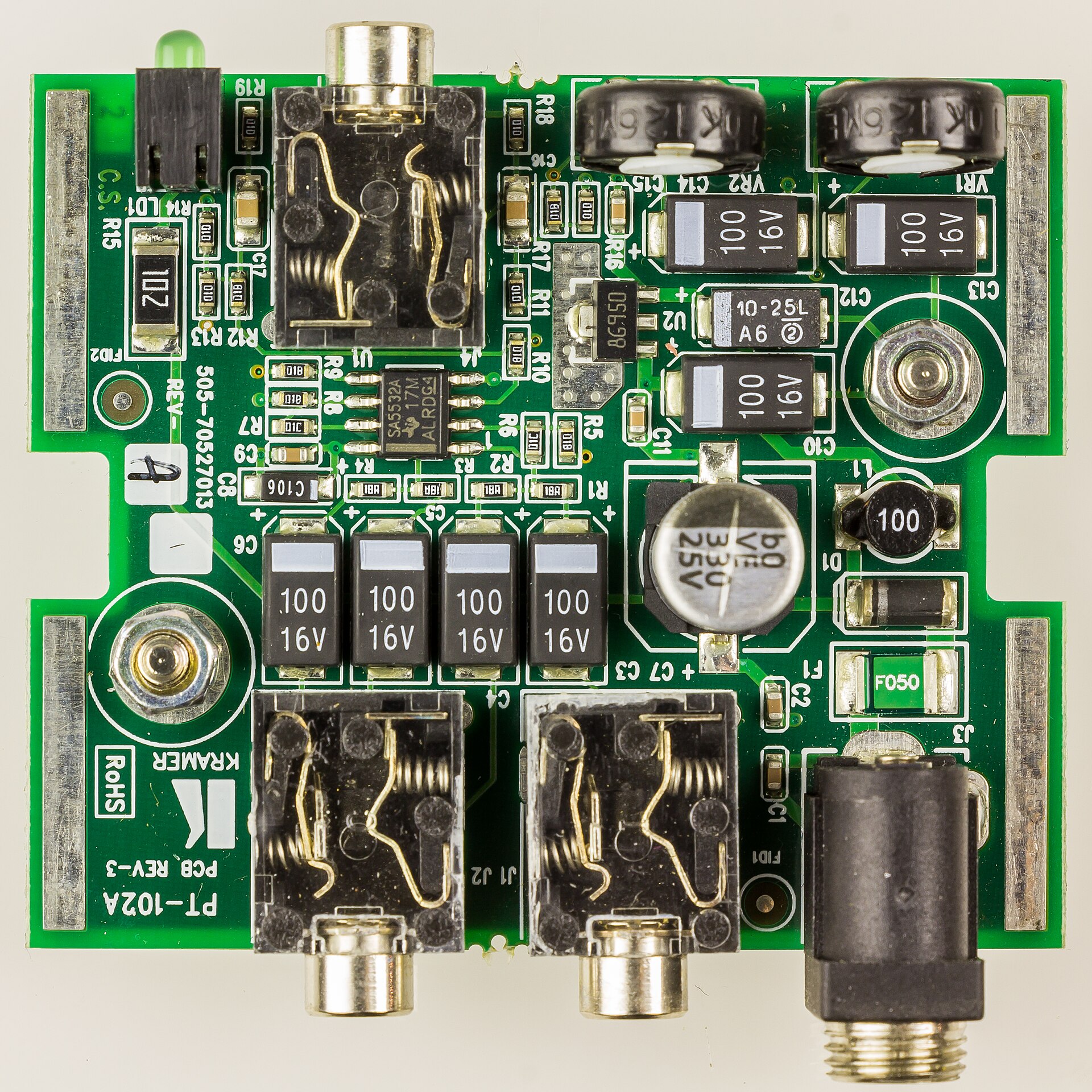
A phone depends on memory, displays, camera sensors, radio components, processors, substrates, batteries, software and precision tooling. Vulnerability remains when high-value components are imported and globally priced. Lava can own a brand and operate local factories while still being exposed to a memory squeeze originating elsewhere.
Chinese brands dominate through systems
Indian debate often explains Chinese smartphone strength through low prices or aggressive marketing. Those are symptoms. The deeper advantage is an ecosystem: dense supplier networks, short development cycles, access to components, experienced engineering teams and enormous domestic scale.
Chinese companies can iterate models quickly because design, tooling and component conversations happen inside a mature industrial cluster. An Indian brand ordering from the same global suppliers may face weaker bargaining power and longer lead times. Patriotism does not erase purchasing economics.
This is why telling consumers to buy Indian as a duty is lazy. Consumers working within tight budgets reasonably choose the phone with the best camera, service and resale value. Industrial policy must make domestic capability competitive enough that patriotism is unnecessary.
The price rise is useful information
Lava deserves some credit for announcing the change rather than quietly manipulating discounts. The phrase “up to ₹3,000” remains frustrating because buyers need model-wise prices. A maximum can create artificial urgency without revealing who will actually pay it.
I would not rush to buy an unsuitable phone merely to beat a deadline. Buyers should compare the final effective price, software-support commitment, service availability and exchange value. A cheap purchase becomes expensive if security updates end early or repair parts prove scarce.
For policymakers, the increase is a stress test. Which imported inputs caused the most pain? Could domestic module production or long-term procurement reduce it? Where does scale justify incentives, and where would subsidies merely create costly local duplication?
Move incentives toward capability
The next phase should reward measurable domestic value: product design, board engineering, testing, firmware work, tooling and component manufacture. Counting finished units encourages shallow localisation. Counting knowledge and value is harder but more meaningful.
Incentives should also support shared infrastructure. Smaller Indian brands cannot each build world-class reliability laboratories or supplier-development centres. Common testing facilities, standards expertise and research partnerships could reduce the fixed costs of competing.
Policy must demand outcomes in exchange for support. Public money should not fund screwdriver operations indefinitely. Firms receiving benefits should disclose domestic value addition under consistent definitions and meet milestones that rise over time.
Software and service matter
India’s opportunity is not limited to hardware. A domestic brand can distinguish itself through clean software, long support, transparent repair prices and privacy practices suited to Indian users. These are capabilities too, and they build trust that advertising cannot purchase.
Lava’s challenge is consistency. One strong device or overseas launch does not establish a durable alternative to Samsung, Xiaomi, Vivo or Oppo. Buyers must believe the next update will arrive, the service centre will have parts and the brand will exist when the phone is three years old.
Make in India, honestly measured
I am more optimistic than the cynics and less satisfied than the slogans. India has moved from importing finished phones toward large-scale local production. That shift matters. It has not yet conquered the component chain, and a memory shortage makes the remaining dependence visible.
The right response is neither embarrassment nor protectionist theatre. Use the evidence. Deepen supplier capability where economics support it. Invest in design and engineering. Negotiate trade access for inputs while building strategic capacity. Make incentives conditional and transparent.
Lava’s price rise is not the obituary of Indian electronics. It is the next exam. Assembly taught India how to participate in the smartphone economy. The harder task is gaining enough control over design, components and support that a global shortage does not immediately rewrite the Indian consumer’s bill.