
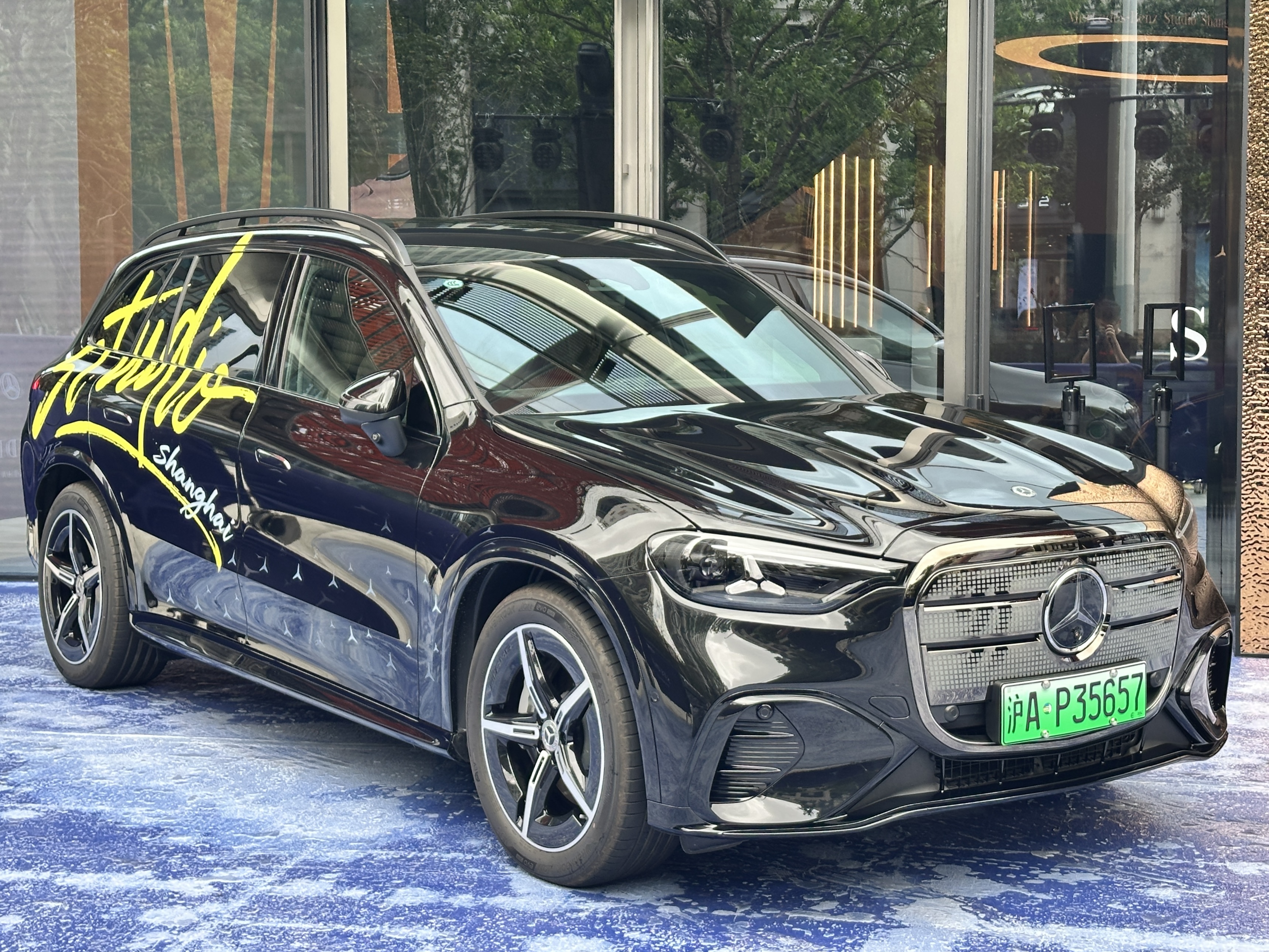
India’s electric-car conversation has acquired expensive taste. New luxury EVs arrive with enormous screens, rapid acceleration and range claims polished for launch stages. I enjoy the technology, but the vehicles are advancing much faster than the system in which owners must use them. A premium badge cannot negotiate with a broken charger. A six-figure battery capacity cannot create an electrical connection in an apartment basement. The showroom sells the car; the owner discovers the infrastructure one security gate, malfunctioning app and occupied charging bay at a time.
The latest launch pipeline, including premium electric models, can be tracked through CarWale’s current launch list and ZigWheels’ automotive news index. Those pages show a market rich in product activity. Product is no longer the only bottleneck. India needs reliable chargers, transparent uptime, sensible pricing, apartment rules and highway sites designed for queues. Without them, the EV transition will remain easiest for affluent homeowners with a second car—the people least dependent on public infrastructure.
Home charging is the real luxury
EV ownership is delightful when a driver parks at night, plugs in and begins each morning with sufficient range. That routine turns refuelling into background activity. It also assumes control over a parking space and access to adequate power. Detached-home owners can often arrange this. Apartment residents encounter resident-welfare associations, fire concerns, shared meters, cable routes, transformer capacity and arguments about who pays for upgrades.
Developers and urban authorities must treat charging readiness as building infrastructure, not an optional appliance. New residential projects should provide conduits, load planning, metering options and a clear process for installing chargers. Existing societies need model rules that allocate costs fairly and prevent arbitrary bans. Fire safety is serious, but it should be addressed through standards and inspection rather than vague prohibition. Petrol vehicles are not risk-free objects blessed by tradition.
Workplace charging can fill part of the gap. Cars remain parked for hours, making slower and cheaper charging practical. Employers do not need rows of ultra-fast equipment; they need managed load, booking systems and fair billing. Commercial complexes can do the same. Policy has focused heavily on public fast chargers because they are visible. A network of dependable slow and moderate chargers where cars already sit may change ownership more profoundly.
Uptime matters more than map pins
Charging networks advertise the number of installed points. Drivers care whether a specific connector works when they arrive with a low battery. A charger can exist on a dashboard while being powered off, blocked by an internal-combustion car, restricted by a hotel, incompatible with an app or delivering far below its rated speed. Counting installations without reporting successful sessions is like counting hospital beds without asking whether the hospital is open.
Operators should publish real-time status, historical uptime and delivered power. Payment must become interoperable. Requiring a separate app, account and wallet balance for every network is indefensible. A driver should be able to tap a card or scan a standard payment code, see the tariff and receive a receipt. India solved small digital payments at astonishing scale; it should not accept a charging ecosystem that behaves like a collection of private clubs.
Highway design must anticipate queues. A single fast charger at a restaurant may look adequate during low adoption and become useless during a holiday rush. Sites need multiple bays, safe lighting, toilets, food, shelter and space for vehicles towing or carrying families. Redundancy matters because one failed unit should not strand a route. Petrol stations learned throughput over decades. EV infrastructure must learn faster.
Range claims conceal different Indian realities
Laboratory range is useful for comparison, but real use changes with speed, temperature, elevation, load and climate control. A luxury SUV carrying five people and luggage on a fast expressway will not reproduce the launch slide. That does not make the car dishonest; it makes range contextual. Sales staff should explain realistic scenarios rather than reciting the largest certified number and letting the owner discover physics on a family trip.
Charging curves matter as much as peak charging speed. A car advertised at an impressive maximum may reach that figure briefly under ideal battery temperature and state of charge. What matters on a journey is how quickly it adds useful kilometres across a normal session. Reviews should report time from low charge to the level at which drivers typically leave, using chargers actually available in India. A foreign test on a more powerful network may tell us little.
Battery size also involves trade-offs. Larger packs provide range but add weight, cost and material demand. If infrastructure were dense and dependable, manufacturers could offer lighter vehicles without frightening buyers. Poor infrastructure encourages oversized batteries, which make cars more expensive and less efficient. Charging policy is therefore vehicle policy. Every reliable site can reduce the psychological need to carry hundreds of kilograms of insurance.
The transition must work below the luxury tier
Premium EV buyers can absorb inconvenience. They may own another vehicle, install private charging and pay for a hotel when a route fails. Mass-market buyers cannot. For them, the EV must reliably perform the household’s entire transport role. Infrastructure policy should therefore be designed around the person with one parking space, one car and no appetite for adventure.
Electric two- and three-wheelers deserve even greater attention. They account for vast numbers of daily journeys and can deliver large fuel and air-quality benefits. Their charging and swapping needs differ from those of luxury SUVs. Public debate becomes distorted when every EV discussion begins with highway range for expensive cars. Urban delivery riders, autorickshaw drivers and scooter owners may create more consequential electrification, provided safety and financing are handled well.
Government should focus incentives on measurable public outcomes: charger uptime, underserved locations, open access and grid integration. Subsidising installation alone rewards hardware that may become abandoned. Contracts can require maintenance and data reporting. Distribution companies need plans for local load, while renewable energy and storage can reduce peak stress. None of this is as photogenic as a new vehicle reveal, but it determines whether the reveal represents a market or a novelty.
I remain optimistic because EVs are mechanically attractive and Indian driving patterns often suit home or workplace charging. The mistake would be assuming product launches guarantee transition. Cars are now arriving from established manufacturers and ambitious newcomers. The next competition should be over ownership confidence: predictable range, transparent warranties, repairable battery systems and chargers that work without ritual.
When I test a new electric SUV, the effortless acceleration is rarely the interesting part anymore. I want to know where an apartment resident will charge it, what happens when the highway unit fails, how much power it sustains and who answers the helpline. Those questions do not spoil the electric future; they make it possible. India does not need more map pins glowing optimistically inside apps. It needs plugs that work, buildings prepared to host them and a market honest enough to distinguish an impressive car from a complete mobility system.