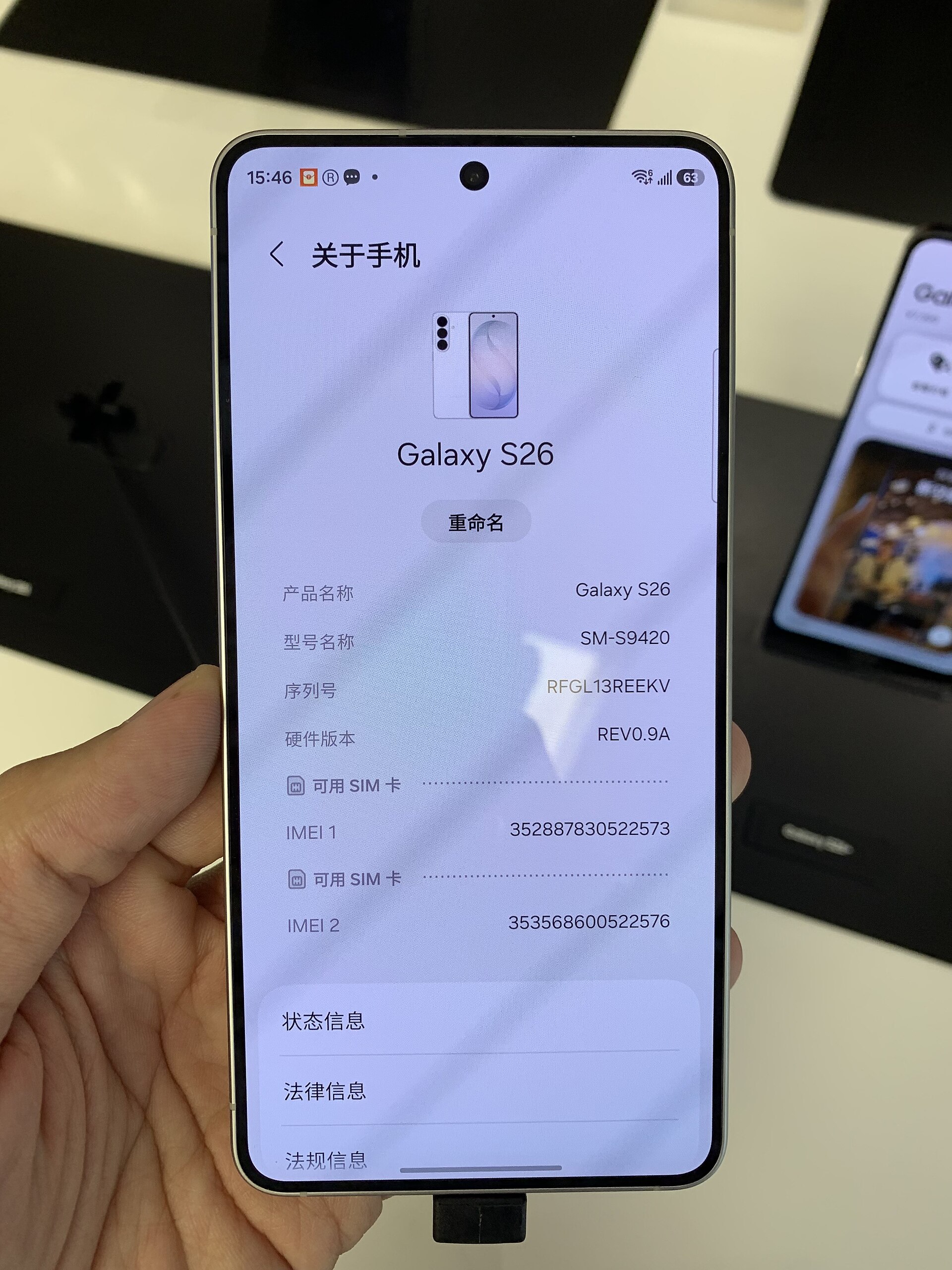
Every few months, a photograph appears of smartphones moving along an Indian factory line, and the caption performs an economic miracle. India, we are told, now makes phones. The statement is true, important and incomplete. The government’s production-linked incentive strategy has helped move this country from heavy import dependence toward large-scale assembly and exports. That deserves more credit than critics addicted to sneering at manufacturing policy will allow. But tightening screws in India is not the same as owning the screwdriver, the component design or the patent.
The Ministry of Electronics and Information Technology sets out the large-scale electronics manufacturing incentive framework on its PLI scheme page, while the government’s Invest India electronics overview describes the wider manufacturing ecosystem. These programmes created a reason for global companies and contract manufacturers to expand production here. Policy changed corporate arithmetic; the factories are not imaginary.
I am impatient with two lazy reactions. The left-leaning version dismisses assembly as meaningless because every sophisticated component is not yet domestic. The government-booster version treats rising output as proof that the entire value chain has arrived. Industrialisation is a ladder. Mocking the first rung is foolish; declaring victory while standing on it is equally so.
Assembly was a necessary beginning
India could not jump directly from importing finished phones to designing every chip and fabricating advanced displays. Manufacturing capability accumulates through volume, supplier relationships, quality systems and trained workers. Assembly brings logistics, tooling, testing and production management. It gives policymakers and firms a base from which to negotiate deeper localisation.
The PLI scheme’s great virtue was clarity. It rewarded incremental production rather than vague promises. Companies respond to incentives, market size, infrastructure and policy stability—not patriotic speeches alone. By connecting support to output, the government made India part of global supply-chain decisions that previously defaulted elsewhere.
The criticism that incentives subsidise large corporations is not entirely wrong, but it is incomplete. All industrial policy creates distributional choices. The relevant question is whether public support purchases durable capability, jobs, exports and supplier development, or merely temporary activity that disappears when incentives end. That requires measurement more sophisticated than either celebration or denunciation.
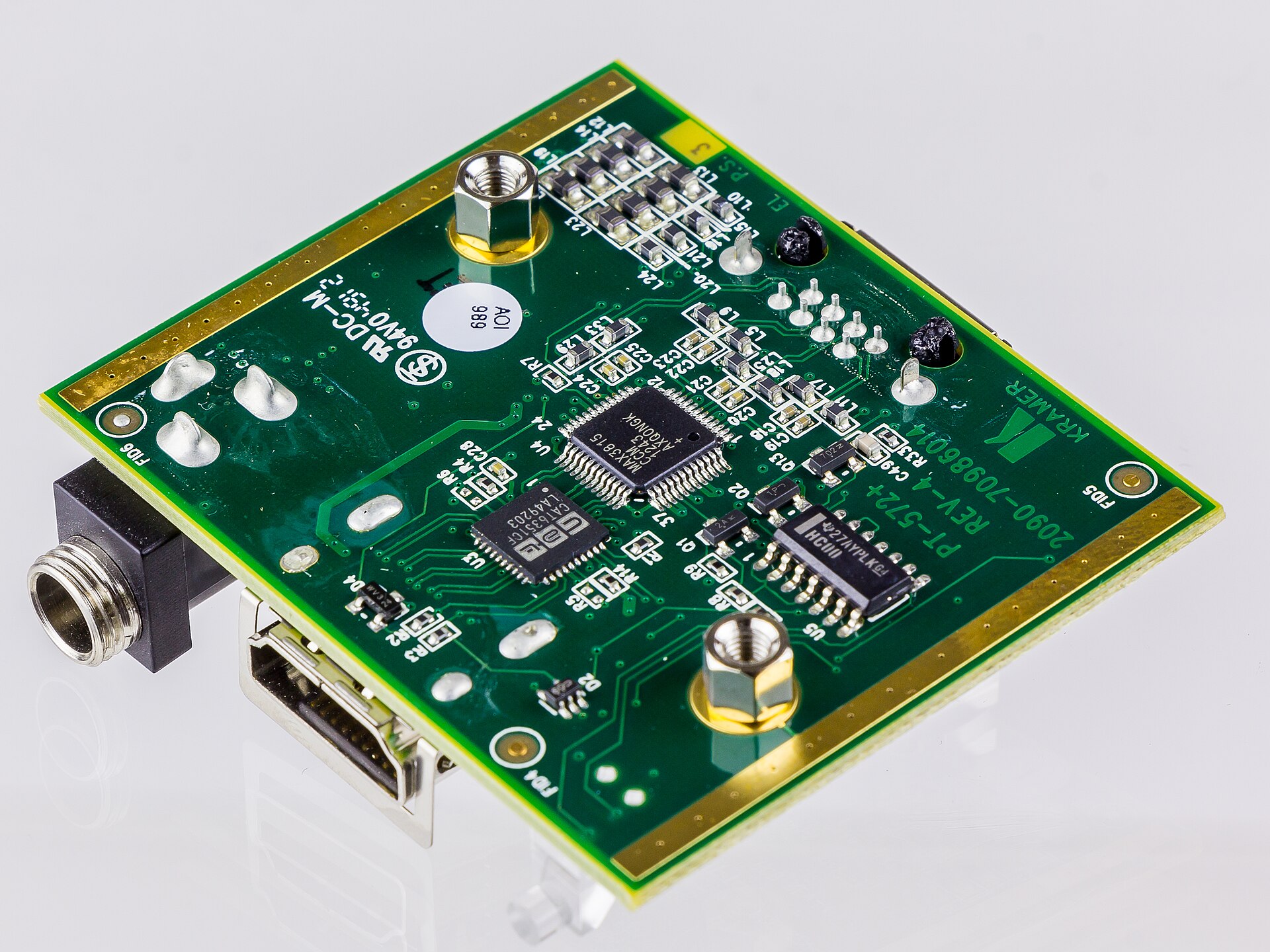
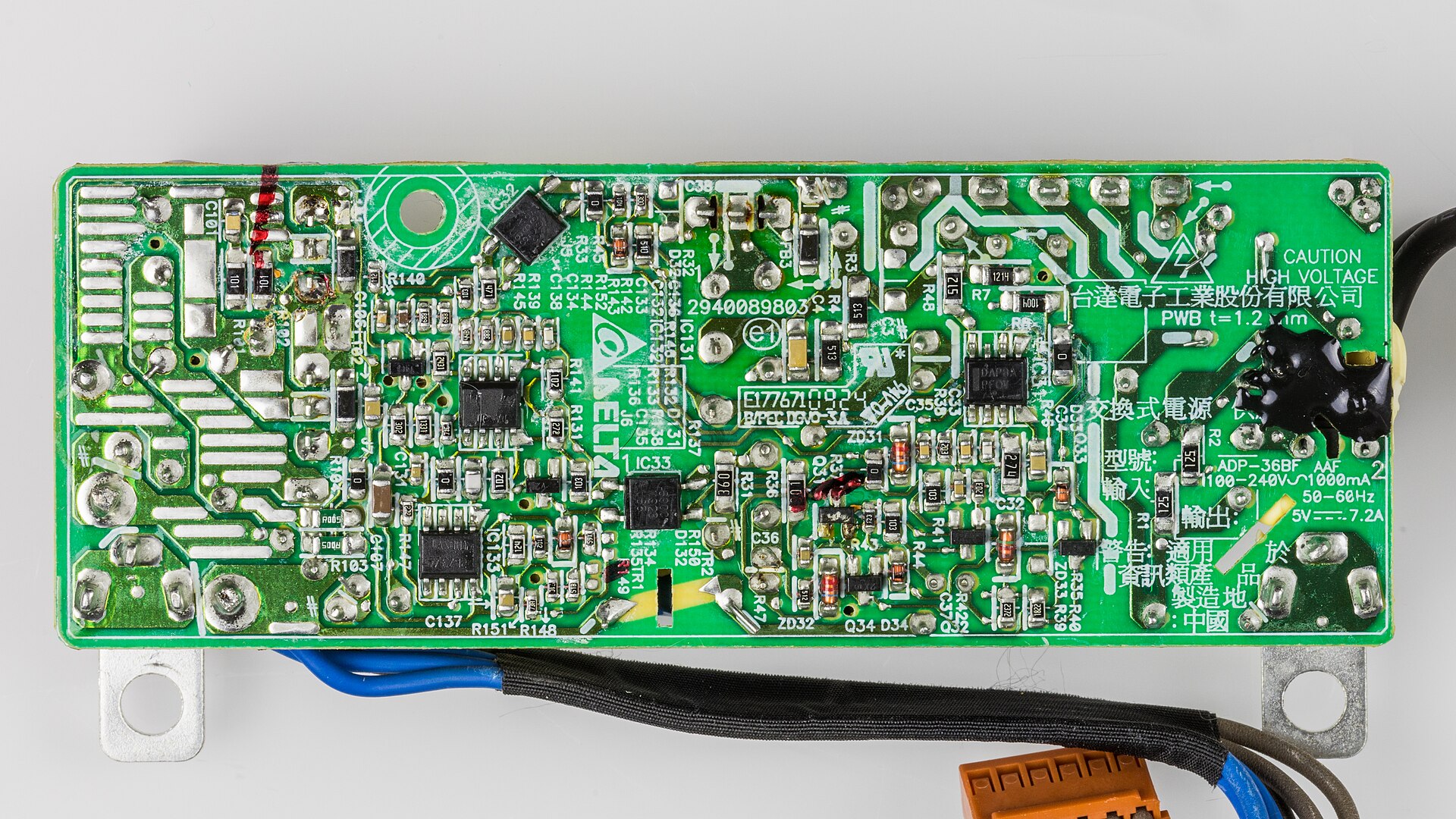
We should track domestic value addition by category, not hide behind the total value of finished devices. A phone assembled here may still contain an imported display, processor, memory, camera sensors and radio components. Over time, batteries, enclosures, chargers, printed circuit-board assembly, camera modules and other subassemblies should localise where economically and technically viable.
Why Chinese brands still dominate minds and shelves
Some nationalists find it emotionally inconvenient that Chinese brands remain powerful in India. Consumers find it practically convenient. Xiaomi, Vivo, Oppo, Realme and their peers built dense distribution, rapid product cycles, local marketing, service networks and aggressive pricing. They did not win merely because Indian buyers lacked patriotism.
A shopkeeper recommends what sells without returning as a complaint. A buyer selects a phone whose case, screen guard and spare parts are easily found. A family recognises the interface from its previous device. These forms of accumulated familiarity are competitive assets. An Indian brand cannot defeat them with a flag-coloured advertisement and outsourced hardware that resembles every other budget phone.
Chinese companies also localised market knowledge. They understood India’s appetite for large batteries, vivid displays, beautified selfies, financing and retail incentives. One may dislike bloatware or exaggerated camera claims—I often do—but the commercial execution was formidable.
The right policy response is not arbitrary hostility. India needs predictable security rules, fair taxation, data protection and competition enforcement applied with clarity. It also needs domestic companies able to learn faster. Protection without capability creates expensive mediocrity; open markets without strategic policy can freeze dependence.
The next incentives must reward depth
I would redesign the next phase around measurable capability. Give greater weight to components whose manufacture transfers process knowledge. Reward spending on Indian engineering teams and verifiable research, not the ceremonial relabelling of imported reference designs. Support tooling companies and testing laboratories that can serve multiple manufacturers rather than one subsidised line.
Small suppliers require access to patient capital and predictable orders. Global lead firms often hesitate to qualify new vendors because defects are costly. Government can help with common facilities, standards certification, worker training and credit guarantees, but it cannot order quality into existence. Suppliers must meet global yields and timelines.
India should also resist the temptation to chase semiconductor headlines at the expense of less glamorous components. Advanced fabrication is strategically important and extraordinarily difficult. Meanwhile, power electronics, sensors, connectors, batteries, acoustic components and manufacturing equipment offer meaningful opportunities. Industrial depth is built from thousands of competent firms, not one ribbon-cutting photograph.
Skills policy must move beyond counting jobs. Assembly employment matters, especially for women entering formal manufacturing, but career progression matters too. How many line workers become technicians, supervisors and process engineers? Are firms investing in training that remains valuable outside one plant? A resilient ecosystem circulates expertise.
Exports are useful, but ownership matters
Rising phone exports improve the trade picture and prove that Indian plants can meet international standards. Yet export value alone does not tell us who captures profit and controls decisions. Contract manufacturing can be a strong industry, but India should also nurture brands, component firms and software platforms that own customer relationships and intellectual property.
This does not mean forcing every layer to be Indian. Autarky would make devices worse and more expensive. Modern electronics depend on international specialisation. Strategic resilience means diversified supply and domestic competence in selected critical areas, not pretending borders can contain an entire smartphone.
I want more transparency from the government. Publish annual value-add estimates with clear methodology. Separate assembly growth from component growth. Disclose incentive payouts and the production or employment they generated. Identify targets missed as readily as targets achieved. Credible industrial policy learns in public.
Opposition parties should engage this evidence rather than recycle the claim that Make in India is only branding. The transformation of phone production is one of the government’s tangible economic achievements. Congress is welcome to propose a better incentive design; nostalgia for an era of imported finished electronics is not a policy.
The government, for its part, should not treat all criticism as sabotage. If firms meet output thresholds through imports with little deepening, the scheme needs adjustment. If tariffs raise input costs and make exports less competitive, rationalise them. Pro-manufacturing policy requires feedback, not vanity.
The consumer remains the final auditor
An Indian-made device succeeds only if somebody chooses it. Consumers care about price, reliability, cameras, software and service. They should not be guilted into absorbing the cost of industrial development. Policy support belongs upstream; competition must remain vigorous downstream.
That is why Chinese-brand dominance is a useful discipline. It prevents domestic manufacturing from becoming complacent. It reminds Indian firms that national origin may open a conversation but cannot close a sale. The standard is not whether a phone looks respectable beside an import. It is whether the buyer returns to the brand voluntarily.
I give the current government genuine credit for making electronics manufacturing strategically central and for using incentives to alter investment. The factories, exports and jobs represent progress. But success has raised the standard by which the policy should now be judged.
The next photograph I want is not another row of finished phones. I want an Indian supplier’s component being qualified globally, an engineering team owning a design decision, a toolmaker selling equipment into several factories and a worker moving from assembly to process control. “Made in India” becomes durable when the knowledge required to make the product cannot be packed into a container and moved overnight.
We have started climbing. The sensible response is neither applause forever nor contempt from the ground. It is to look up, identify the next rung and insist that public money buys the capability to reach it.