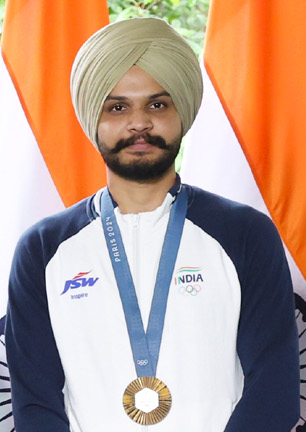
I remember the speed with which Manu Bhaker became unavoidable. Two bronze medals at the Paris Olympics, one in the women’s 10-metre air pistol and another with Sarabjot Singh in the mixed-team event, turned a shooter into the face of India’s Games. The achievement was historic: the Olympic movement’s own profile notes that she became the first athlete from independent India to win two medals at one edition, a distinction recorded in this Olympic and Paralympic analysis. My joy was accompanied by irritation. India did not discover shooting in Paris. We rediscovered it for a fortnight, packaged perseverance into inspirational graphics and then allowed the cricket calendar to reclaim almost all available oxygen.
Bhaker’s story deserved attention partly because it was not a smooth fairy tale. Tokyo brought equipment trouble, disappointment and a brutal public reckoning. She changed her preparation, rebuilt a working relationship with coach Jaspal Rana and returned to the Olympic stage with visible composure. That arc is more useful than the usual mythology of natural genius. Elite sport is repetition, conflict, correction and the ability to perform while the body is flooded with consequence. Yet even this richer story was often flattened into a medal count and a redemption headline.
We cover outcomes because we refuse to cover processes
Cricket receives process coverage. A player’s technique, domestic form, training changes, minor injury and selection prospects can sustain weeks of discussion. Shooters generally appear when they qualify, win or fail. The audience is then expected to understand the difference between events, formats and levels of competition instantly. When viewers do not form lasting attachments, broadcasters conclude there is insufficient interest. That is a circular excuse. Interest follows familiarity, and familiarity requires repetition.
Shooting is particularly suitable for better explanation. The margins are tiny, the mental demands intense and the equipment technically fascinating. A thoughtful broadcaster can show how stance, timing, breathing and shot grouping change under pressure. It can introduce the domestic circuit and explain quota places without turning every segment into a lecture. Instead, much coverage begins at the Olympics, when casual viewers are handed a rulebook and a national expectation simultaneously.
Sponsors behave similarly. They arrive around the Games, buy the vocabulary of courage and disappear before the next training block. I understand commercial calculation; companies are not charities. But sports marketing can create value rather than merely rent it. A shooter supported through World Cups, national trials and training becomes a recognisable figure. A brand that tells that continuing story gains authenticity unavailable to a last-minute congratulatory advertisement. The same principle applies to archers, wrestlers, boxers, badminton players and track athletes.
A medal should improve the system behind the medallist
India’s elite-sport programmes have become more structured, and it would be dishonest to ignore government and federation support. Athletes receive international exposure, coaching, equipment and targeted assistance that earlier generations often lacked. Bhaker’s success did not emerge from an empty field. But money alone does not create a healthy system. Athletes still encounter administrative friction, coaching disputes, inconsistent competition planning and the peculiar pressure of being treated as a national asset only when medals look plausible.
Funding decisions should be transparent enough that athletes understand criteria and appeals. Federations must separate technical judgment from personal patronage. Sports science, mental-health support and injury management should be ordinary services, not emergency interventions after a public breakdown. Junior athletes need safeguarding and education because shooting careers begin young. Parents entering the system should know who is accountable for travel, accommodation, coaching conduct and complaints.
We also need to resist the habit of using one champion as proof that the system works perfectly. Bhaker’s medals demonstrate what an exceptional athlete and support team can accomplish. They do not answer whether hundreds of promising shooters can access ranges, ammunition, coaching and competition. Shooting is expensive. Talent from families without substantial disposable income can vanish long before a national selector sees it. Public ranges, school partnerships and equipment pools would broaden entry more effectively than another podium photograph with officials.
The cricket comparison is unavoidable
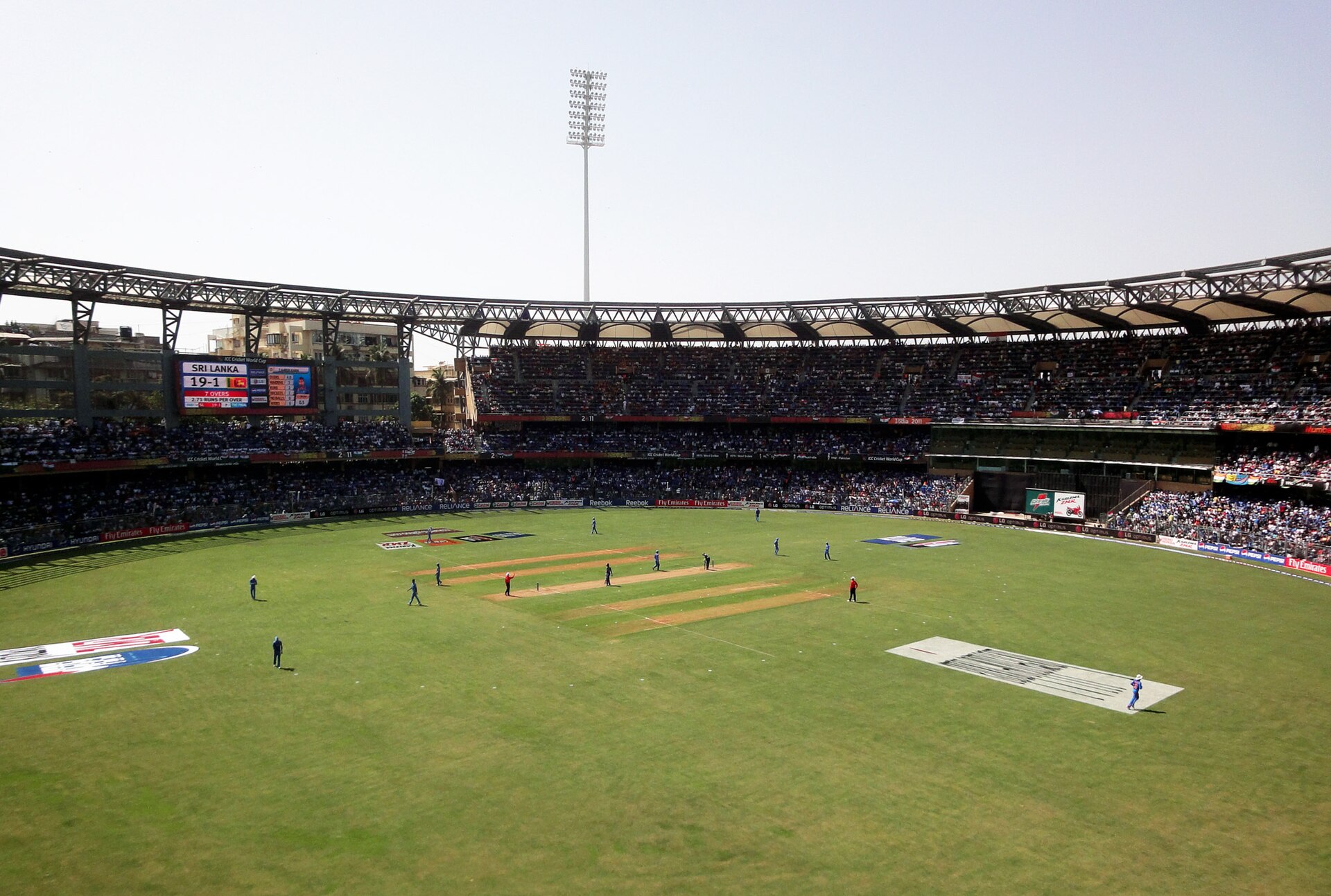
I do not blame cricket for being popular. I watch it, enjoy it and admire its athletes. My quarrel is with institutions that treat popularity as a natural resource rather than the product of decades of investment and storytelling. Cricket has regular fixtures, domestic structures, broadcast contracts, sponsors, archives and constant debate. Non-cricket sports are told to win first and build an audience later. That demand reverses cause and effect. No sport can create durable fandom if its best athletes disappear from public view for months.
Broadcasters with major cricket rights could commit small, predictable portions of their sports budget to other Indian competitions. Public broadcasting can play a larger role, but private networks also benefit from a broader sports market. Digital platforms reduce production and distribution costs. A weekly programme following Indian athletes across disciplines would be more valuable than another hour of former cricketers discussing a squad announcement. The obstacle is not a lack of content; it is executive imagination trained to recognise only one kind of rating.
Newsrooms have responsibilities too. Assign reporters to beats, not merely events. Let them learn federation structures, coaching debates and athlete development. Investigate failures without appearing only when scandal erupts. Celebrate success without converting athletes into saints. Bhaker is compelling because she is a serious competitor who endured disappointment and changed. She does not need to be burdened with representing every Indian woman, every shooter and every lesson about resilience.
What lasting attention would look like
First, shooting results should be covered consistently at major international events, with context about field strength and Olympic relevance. Second, broadcasters should show national championships and trials in an accessible format. Third, sponsors should sign multi-year agreements that survive a missed final. Fourth, federations should publish calendars, selection policies and athlete-support information clearly. Finally, schools and local clubs should receive pathways for introducing children safely to the sport.
The public will not watch everything, and advocates should stop pretending otherwise. Even cricket audiences fluctuate by format, opponent and stakes. Success means building a committed base large enough to sustain careers and coverage, not defeating the IPL on a spreadsheet. Shooting offers drama unlike cricket’s: an almost motionless athlete containing enormous internal noise. It deserves storytelling appropriate to that quality rather than imitation cheerleading.
Bhaker’s medals gave India a moment of shared excitement, but the meaningful tribute is not endless replay. It is attention with memory. Remember the next World Cup, the next junior emerging from a modest range, the next athlete rebuilding after failure. Ask where the equipment comes from, who pays for training and whether selections are fair. If we vanish until Los Angeles, we will again call a familiar athlete an overnight sensation. She will have spent four years doing the work. We will have spent four years looking elsewhere.