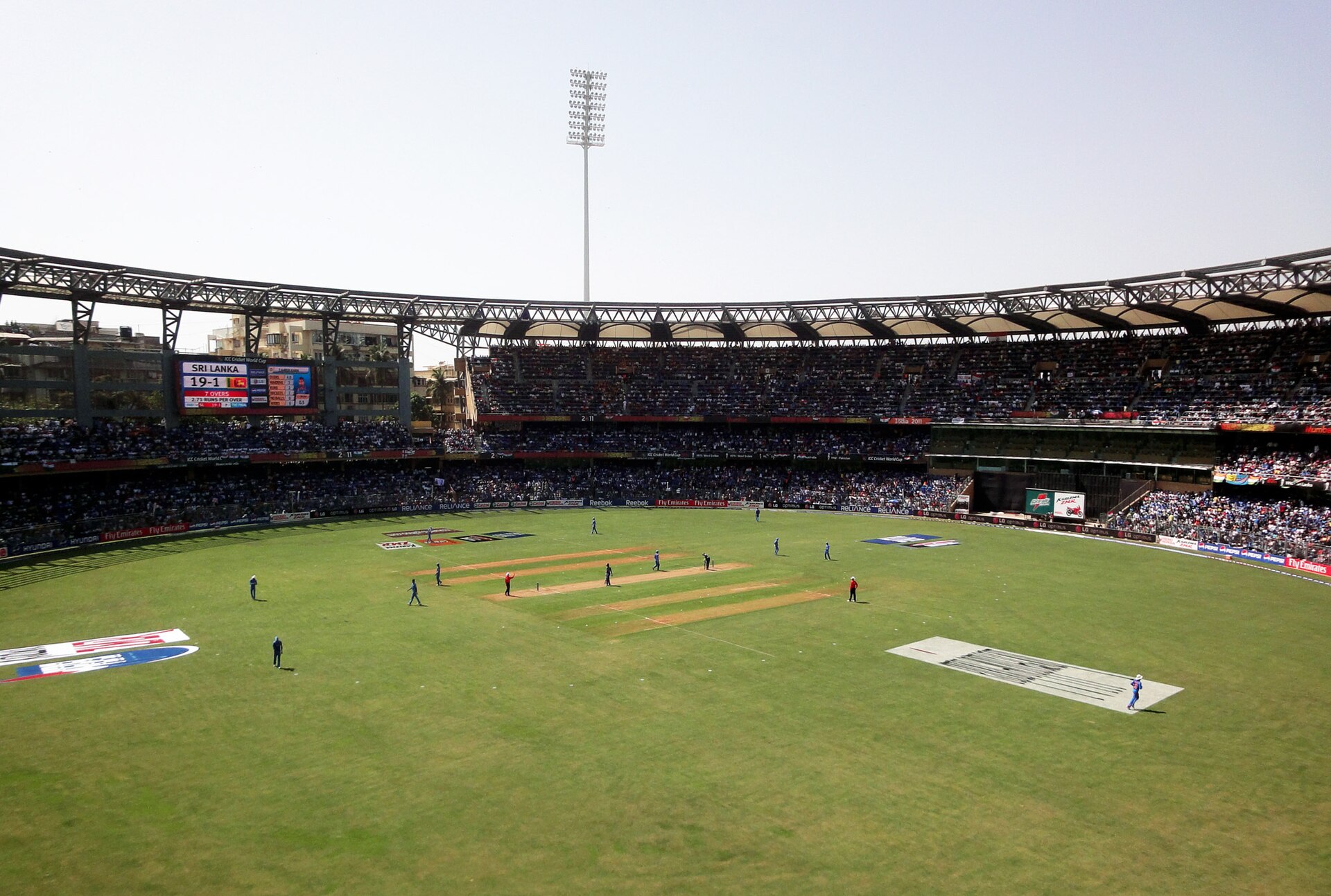
I grew up believing the Ranji Trophy was where an Indian cricketer acquired a first-class education. It taught a batter to begin again on a damp morning, a spinner to work without extravagant turn and a fast bowler to return for a fourth spell when applause had departed. Today the competition is too often discussed only when a national player is instructed to appear in it. That framing makes me wince. The Ranji Trophy should not be Team India’s detention room, the place stars are sent after a poor report card. It should be a serious professional championship with its own narrative, standards and rewards. One compulsory cameo can help a state side and attract spectators, but it cannot repair a domestic structure the BCCI itself regularly pushes behind international cricket and the IPL.
The Board has shown that it understands some of the structural problems. Its 2024–25 domestic calendar announcement spoke of player well-being, gaps between matches, weather and a season beginning with red-ball cricket. Those are sensible priorities. Yet a calendar is not a culture. The Ranji Trophy competes for attention with bilateral series, franchise planning, social media snippets and an administrative instinct to treat everything outside the national team as feeder material. If first-class cricket exists only to supply India players, audiences naturally stop caring once selection is settled.
A star appearance is useful, but symbolism has limits
I am not opposed to centrally contracted players representing their states when they are fit and available. Quite the opposite: young cricketers benefit from sharing a dressing room with an established Test player, and spectators deserve the chance to see famous names outside a handful of metropolitan venues. A senior batter facing an unfamiliar seamer on a January surface is also good cricketing education. My objection is to the punitive rhetoric. When domestic participation becomes evidence of obedience, the tournament’s dignity depends on who has been ordered to attend.
The BCCI should publish a transparent availability framework. National workload, rehabilitation, genuine personal circumstances and format-specific preparation should be considered openly. Selectors and medical staff should explain exemptions through consistent principles, not selective leaks. A player returning from injury should not be forced into four days of cricket merely to satisfy a public mood. Nor should an uninjured player be permitted to skip first-class matches for vague private training. Consistency protects both the national team and the domestic competition.
Scheduling remains the larger issue. India cannot preach devotion to first-class cricket while arranging windows in which leading players are almost never available. The IPL has a protected place because its commercial force demands one. Test preparation and domestic red-ball cricket deserve deliberate windows too. That may require fewer low-consequence bilateral white-ball matches. I realise this is where administrators stop smiling: an unnecessary international can still generate broadcast inventory, whereas a well-designed Ranji round produces less immediate money. But if the Board wants Test cricket to remain elite, it must invest opportunity cost, not merely sentiment.
The professional floor must rise
A competition is only as credible as its ordinary week. Pitches, practice facilities, travel, accommodation, match officials, medical support and video coverage matter when no India star is present. Some associations perform well; others remain opaque. Players should not experience dramatically different professional standards depending on geography or administrative enthusiasm. The Board has the resources to audit facilities and publish minimum requirements. It should use them. A first-class cricketer pursuing the sport for a decade deserves more than a ceremonial cap and delayed reimbursement.
Match fees have improved, and the BCCI has introduced incentives recognising Test participation. Those moves deserve credit. Money signals that longer cricket has value, particularly for players who never receive an IPL contract. But the domestic career still needs greater security. Contracts at the state level, injury protection, pensions, transparent selection communication and access to high-quality coaching would make first-class cricket a profession rather than an annual audition. India’s cricket economy is rich enough to build depth without asking domestic players to survive on uncertainty.
Coverage is another embarrassment. I do not demand a vast television production at every ground, but reliable streaming, accurate scorecards, decent commentary and accessible highlights are no longer luxuries. Fans cannot form attachments to players they never see. The Board owns an enormous digital audience yet often behaves as though domestic cricket must be discovered through a scorecard tab and a cousin’s photograph from the boundary. Give every match a stable digital home. Let state associations produce features about local histories and rivalries. A tournament becomes valuable when stories accumulate between finals.
Selection should reward first-class substance
The Ranji Trophy loses meaning if IPL performances become the universal currency of selection. A T20 season can reveal temperament, athleticism and skill under pressure, but it cannot tell us whether a batter can leave well for two hours or whether a bowler can construct a spell with an ageing ball. Test selection must visibly reward first-class records, India A performances and suitability to conditions. Otherwise young players will rationally optimise for franchise attention. We cannot blame them for following the incentives administrators create.
India A cricket should form a clear bridge. Tours need to be regular, competitive and aligned with likely senior assignments. A strong Ranji performer should understand the path: domestic excellence, representative cricket, then an international opportunity. When that pathway becomes unpredictable, reputation and franchise visibility fill the gap. The result is not merely unfair; it weakens the Test side by reducing the sample of demanding red-ball cricket used in selection.
I also want fewer cosmetic pitch debates. A sporting pitch is not one that satisfies a television slogan about grass. It is one that allows skill to evolve across four days. Excessively flat surfaces produce inflated averages and exhausted bowlers; extreme surfaces turn matches into lotteries. The BCCI can collect ball-by-ball and pitch data, examine dismissal patterns and intervene where associations repeatedly produce poor contests. The goal should be variety within credible bounds, because Test players must learn to adapt rather than encounter one centrally manufactured surface.
Make people care who wins
The most damaging phrase in domestic cricket is “selection match.” It implies that the result is secondary to an individual’s audition. Championship sport needs stakes independent of selectors. State supporters should know the table, understand qualification and recognise rivalries. The Board can help by avoiding needlessly convoluted formats, maintaining consistent identities and scheduling marquee rounds on weekends or holidays where possible. Finals should be promoted for weeks, not discovered after an international toss.
There is a counterargument that Indian cricket already succeeds: the talent pool is deep, the national team remains powerful and the IPL keeps producing fearless players. Why repair what works? Because systems decay before scoreboards announce it. Test batting technique, patient spin bowling and long-spell fast bowling cannot be manufactured during a camp. They grow through repeated first-class contests. A wealthy board can temporarily cover structural weakness through sheer numbers, but abundance is not the same as stewardship.
I want the stars back in the Ranji Trophy, but I want them arriving as participants in a championship, not defendants completing community service. Protect windows, raise professional standards, broadcast the matches, clarify selection and give the competition an identity beyond national-team supply. The BCCI is fond of calling domestic cricket its backbone. A backbone is not something one remembers only when the glamorous parts begin to ache. Treat it as the living centre of Indian cricket, and the players will not need a directive to understand why it matters.