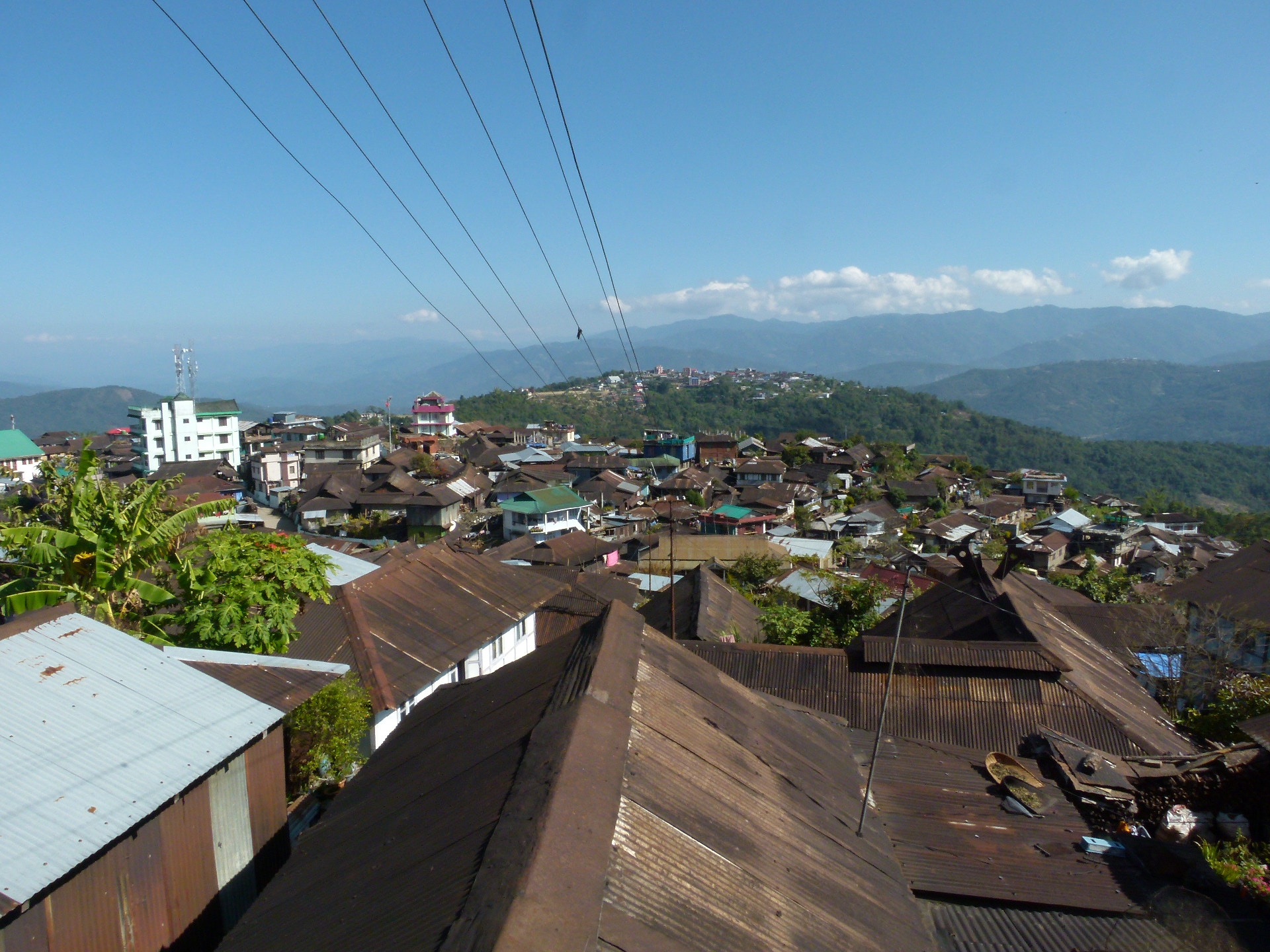
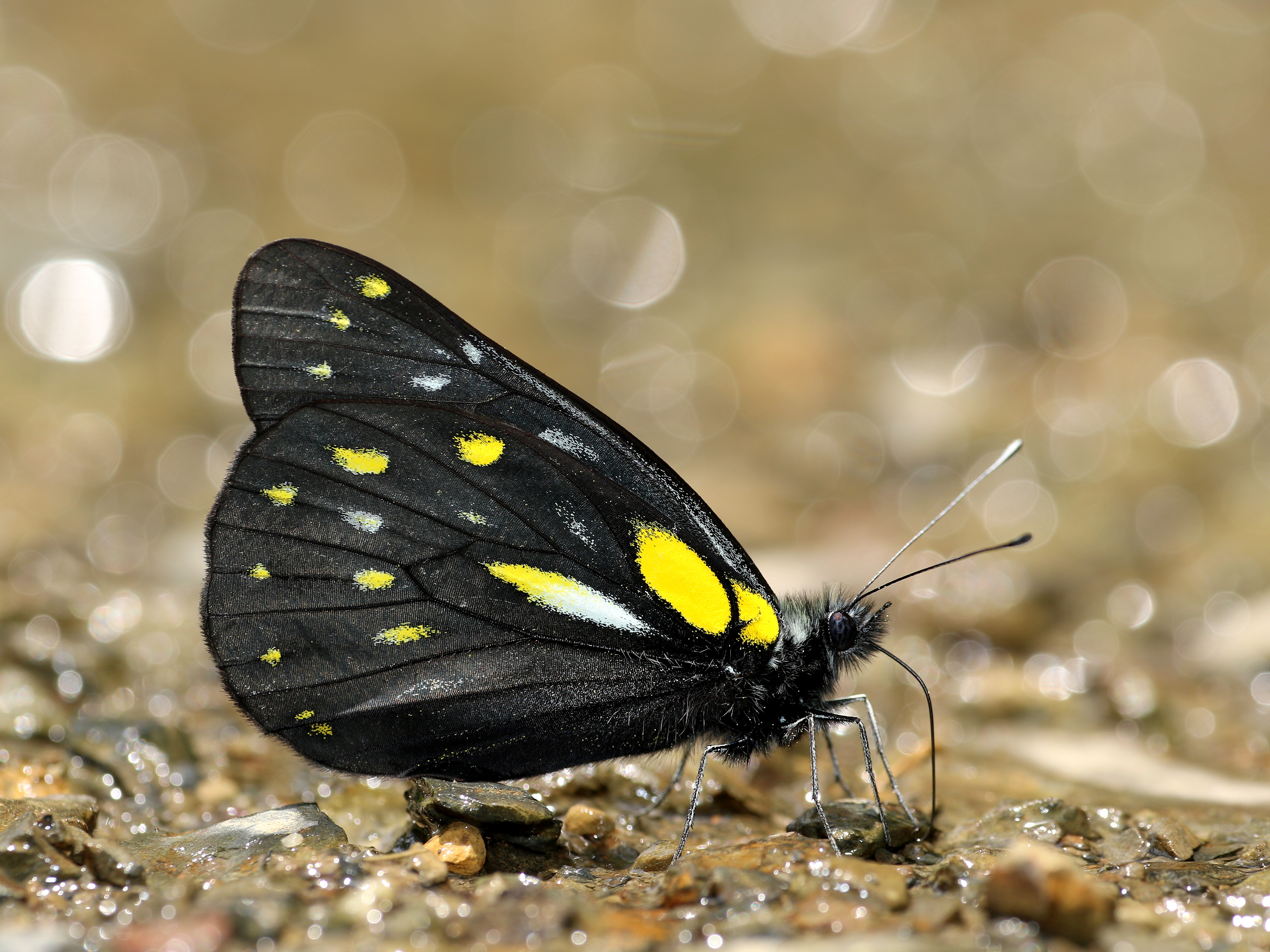
Some of the most important environmental work begins without a grant proposal. It begins when someone notices that a creature once taken for granted is missing elsewhere, returns home and looks more carefully. For Wonchi Murry, that creature was the butterfly. Growing up in Wokha, Nagaland, she had been surrounded by them. Years in Delhi made their absence visible.
When Murry returned, her younger sisters Mhayani and Renabeni joined her in photographing and identifying butterflies across gardens, streams and valleys. Their shared attention became a book, A Beginner’s Guide to the Butterflies of the Himalayan Realm. The Indian Express reported that the guide documents nearly 110 species and has been made essential in Nagaland’s affiliated schools.
I love this story because it refuses our usual separation between expertise and affection. The sisters did not begin by announcing a biodiversity project. They began by enjoying butterflies together. Curiosity acquired discipline; photographs acquired names; a family pastime acquired public value. That progression is how knowledge often grows, though institutions prefer tidier origin stories.
What we see every day becomes invisible
Abundance can conceal significance. A child who grows up among butterflies may regard them as part of the weather. Only distance reveals that such abundance is neither universal nor guaranteed. Murry’s Delhi experience gave absence a shape. Returning home, she could look at familiarity with newly trained eyes.
This movement between home and elsewhere is common in valuable local research. Formal education does not replace inherited observation; it provides tools for asking different questions of it. The false choice between scientific expertise and community knowledge impoverishes both. Identification, documentation and ecological interpretation become stronger when technical methods meet long familiarity with place.
Butterflies are especially effective teachers because their beauty opens the door before ecological complexity enters. Children can learn life cycles, host plants, seasonal patterns, mimicry, habitat and climate through an animal they already want to observe. A field guide transforms “a pretty butterfly” into a species with relationships and vulnerabilities.
The book’s use in schools matters because it returns local nature to the curriculum. Too many textbooks teach ecology through distant examples. Students memorise a generic food chain while overlooking the plants, insects and birds outside their classroom. Education becomes richer when the named world is the visible world.
Citizen science needs respect and structure
The phrase “citizen science” can sound patronising, as if ordinary people are permitted to help real scientists collect data. I prefer to think of it as a broad research partnership. Local observers offer time, geographic reach and repeated attention no short field visit can match. Professional researchers contribute validation, analytical frameworks and links to larger datasets.
For that partnership to work, contributors need training and credit. Photographs should carry metadata. Identifications should be reviewable. Sensitive locations for rare species may need protection. Data platforms must recognise observers by name rather than swallowing their work into an institutional product.
India’s biodiversity portals and natural-history organisations can support regional-language resources, identification workshops and school clubs. The India Biodiversity Portal provides an example of a platform for sharing species observations and information. Digital tools are useful, but they should complement printed guides and field learning in places where connectivity or device access is uneven.
Small grants could help local groups purchase cameras, print materials and travel within their districts. The amounts need not be large. What matters is continuity. A one-day biodiversity event creates photographs; a five-year observation practice creates knowledge.
Schools can become observatories
Nagaland’s decision to place the guide in schools should be treated as a beginning. Teachers need support to use it beyond a reading assignment. Students could maintain seasonal butterfly logs, map host plants, compare disturbed and less-disturbed sites, and submit verified observations to common databases.
A school garden can be designed for butterflies without becoming a decorative “eco corner” opened by a dignitary and abandoned. Native host and nectar plants, reduced pesticide use and patient observation matter. Children should also learn that caterpillars eating leaves are not garden failures. Conservation begins by tolerating inconvenient stages of life.
Cross-school projects could reveal changes across altitude and season. Students in different districts might compare first sightings, abundance and habitat. Researchers could help design simple protocols so the information becomes useful while remaining enjoyable. The objective is not to turn every child into an unpaid data collector. It is to cultivate attention and demonstrate that observation can contribute to shared understanding.
Art, language and history belong in the project too. Students can record local names, stories and visual motifs associated with species. Scientific names connect observations globally; local names connect them culturally. Neither should erase the other.
Nature tourism must return value locally
Nagaland’s biodiversity attracts visitors, and butterfly trails could support guides, homestays and community conservation. The opportunity carries risk. Collectors may target rare species, visitors may damage habitat, and external tour companies can extract value while leaving little locally.
Community-designed tourism is more durable. Local guides should set routes, group sizes, seasons and photography practices. Revenue can support habitat work and youth training. Visitors should learn why a landscape supports species rather than merely accumulating photographs.
The sisters’ guide demonstrates an important principle: interpretation creates value without consuming the subject. A butterfly is worth more alive, observed repeatedly and embedded in education than pinned into a private collection. Tourism policy should reinforce that understanding.
Habitat protection remains the foundation. No guidebook can compensate for polluted streams, disappearing forest edges or indiscriminate pesticides. Butterfly records can provide early warnings, but authorities must be willing to act on them. Citizen science becomes performative if official planning celebrates data while approving the destruction it documents.
Sisterhood is part of the method
I do not want to lose the human centre of this story. Murry describes the work as an expression of sisterhood. That is not a sentimental extra attached to scientific output. Shared trust made repeated exploration possible. The pleasure of doing the work together sustained the discipline needed to complete a book.
Women’s contributions to natural history have often been treated as hobbies even when they produced serious records. Gardening, collecting, drawing and teaching were placed outside formal prestige. The Murry sisters’ work challenges that hierarchy without needing to imitate its pomposity. They looked carefully, learned, documented and shared.
Their story also broadens representation in Indian science communication. The Northeast is too often presented to the rest of India through conflict, remoteness or exotic scenery. Here, Nagaland appears as a place producing knowledge about itself, for its schools and for wider ecological understanding.
I hope students using the guide recognise that expertise can begin near home. A child does not need to wait for a university laboratory before asking which butterfly visits a flower, when it appears or where its caterpillar feeds. The first equipment is attention.
Butterflies do not recognise political boundaries, as Murry observed in the reported interview. That makes them beautiful ambassadors for a science that connects gardens, villages, states and countries. Yet conservation always happens somewhere specific, through people who know a slope, stream or season well enough to notice change.
The Murry sisters turned noticing into a public resource. Their achievement deserves attention not because it is quaint, but because it models an environmental future India badly needs: locally grounded, scientifically open, educationally generous and sustained by affection. A field guide cannot save a habitat by itself. It can teach a generation to see what would be lost—and seeing is where responsibility begins.