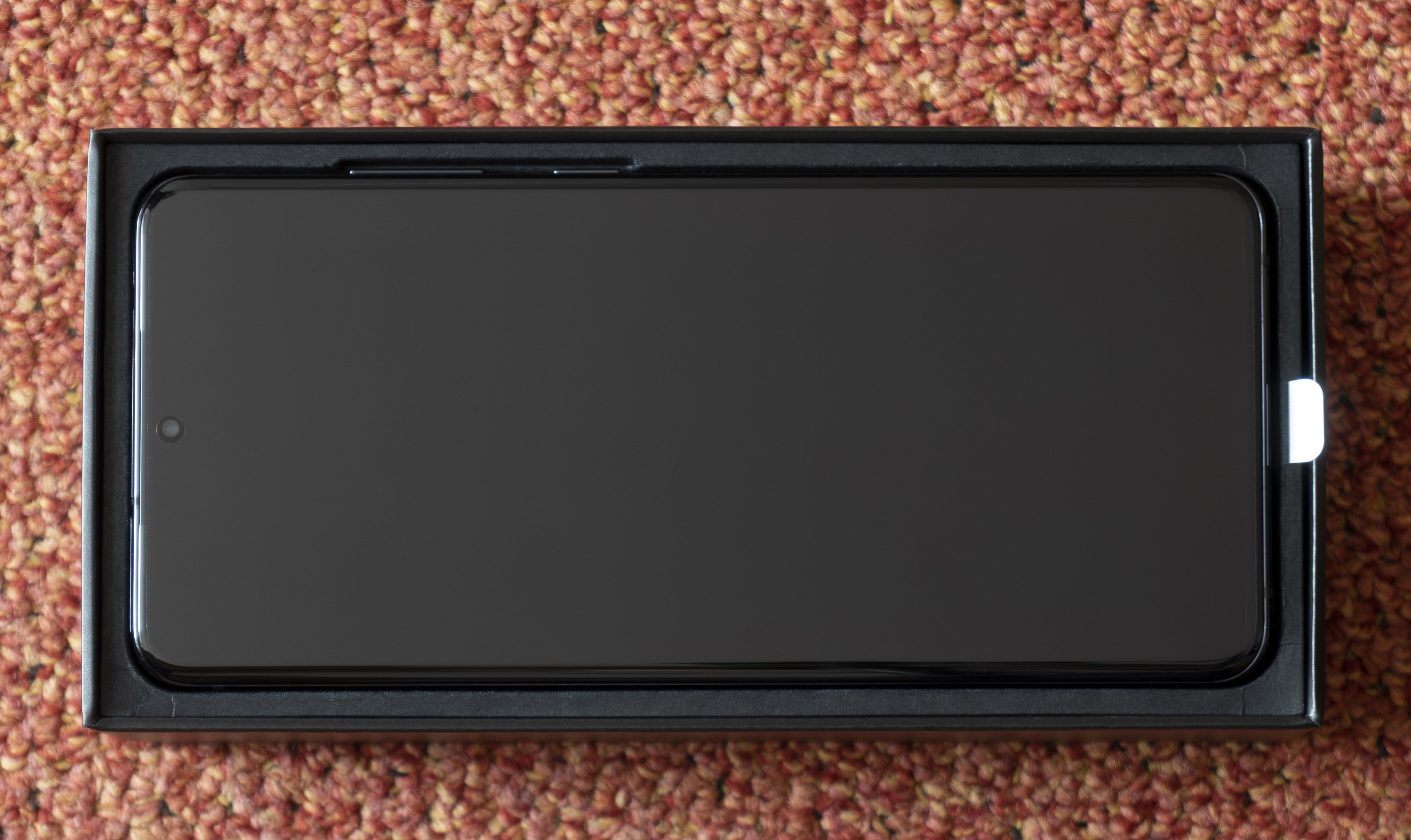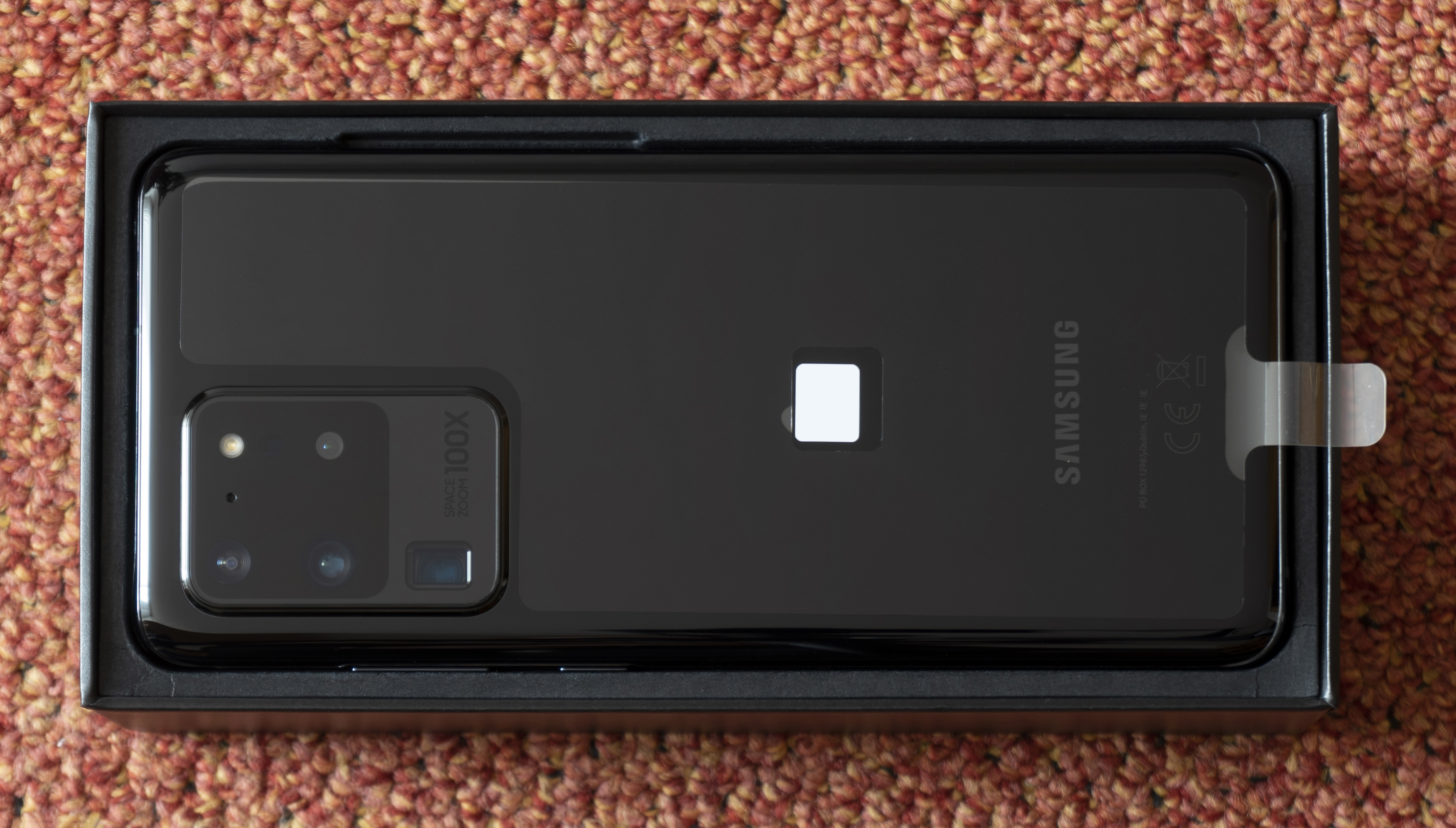
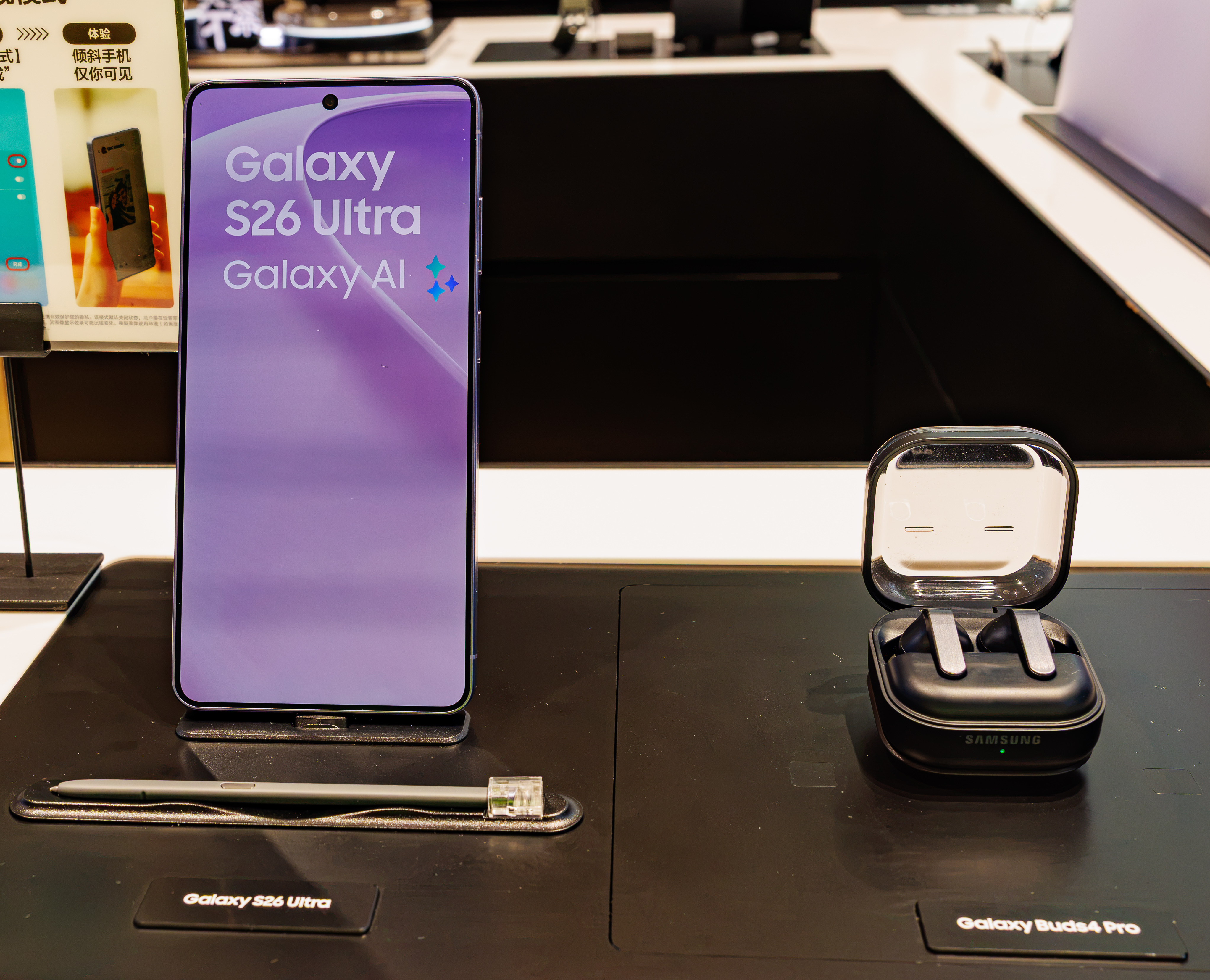
Phone reviews are usually written during the product’s honeymoon, when the battery is fresh, storage is empty and the reviewer has not yet dropped the device onto a railway-platform tile. Ownership begins later. It begins when an update changes battery behaviour, a case traps dust around the camera ring, the charging port becomes temperamental and the authorised service centre quotes a sum capable of improving your posture. That is why I find the Samsung Galaxy S26 Ultra interesting but difficult to recommend casually. The 91mobiles long-term review praises its consistency while noting the large chassis and ecosystem restrictions around some health features. Consistency is valuable. At Ultra prices, however, it is not a bonus. It is the minimum acceptable return on a very large advance payment.
The specification sheet retires early
A flagship processor feels astonishing for a month and merely normal thereafter. Camera comparisons excite buyers, but most photographs are viewed on messaging apps that compress away the advantage. Peak brightness matters outdoors; improbable benchmark records do not. The features that survive two years are less glamorous: dependable network reception, predictable notifications, a battery that degrades gracefully, software that remains responsive, good haptics, call quality and access to repairs. Samsung generally performs well on this ownership layer, which is one reason Indian buyers continue to trust the brand across price segments.
The Ultra’s problem is physical ambition. Large phones provide magnificent displays and space for cameras and batteries, but they also strain pockets, wrists and one-handed use. Reviewers adapt because changing devices is their work. Owners carry the same slab through commutes, weddings and grocery queues. A phone can be technically ergonomic compared with its predecessor and still be too large for many people. I wish manufacturers would stop treating compact flagships as compromised models. Comfort is a feature, not an absence of features.
Software support must include software restraint
Long update commitments are genuinely important. They extend usable life, improve resale value and reduce the fear that an expensive device will be abandoned. Yet support is not measured only by the number of promised years. Updates must arrive reliably, avoid degrading older hardware and refrain from filling the interface with promotions or duplicated services. A seven-year promise means little if year four feels like negotiating with a shopping mall.
Samsung’s ecosystem can be polished but also possessive. Features that work best—or only—with other Samsung products turn convenience into a soft lock-in. Apple perfected this strategy; Android manufacturers now imitate it while still advertising openness. Buyers should ask whether a watch, earbuds or tablet will retain full functionality if the next phone comes from another brand. The 91mobiles Indian smartphone survey shows Samsung leading among respondents in ownership and future preference. That trust gives the company power. It should use it to make devices interoperable, not to tax departure.
India’s service reality
Review units do not queue at service centres. Owners do. A premium purchase should include transparent spare-part prices, widely available batteries, competent diagnostics and reasonable turnaround times beyond metros. Samsung’s network is an advantage over smaller brands, but variation between centres remains part of Indian ownership. Before buying, I recommend checking the price of a screen, battery and back panel, then asking whether those parts are stocked locally. This exercise is less thrilling than watching a camera zoom demonstration and far more relevant.
Insurance and exchange programmes complicate the calculation. They make annual upgrades feel affordable by hiding depreciation inside monthly payments. I prefer buying a phone one can comfortably keep for four or five years. That means using a case, protecting the battery from constant heat and resisting the idea that a new camera arrangement makes last year’s photographs worse. The greenest device is usually the one not replaced, and the cheapest flagship is the model kept long enough to amortise its price.
AI is not yet a reason to upgrade
Every current flagship sells artificial intelligence as though phones were previously inanimate. Some tools are useful: transcription, search within images, translation and careful photo cleanup. Others are demonstrations awaiting a habit. Cloud-dependent features may change terms, acquire fees or disappear. Buyers should not assign permanent value to a function whose future availability is controlled remotely. I want manufacturers to state which AI features run on-device, which upload data, how long each will remain free and whether models will continue working after software support ends.
Privacy explanations also need to become ordinary language. “Processed securely” is not sufficient. A phone knows location, photographs, contacts and conversations. Convenience should come with visible controls and meaningful defaults. Samsung has the engineering scale to set a better standard, but the industry’s incentives favour collecting engagement and selling novelty. Owners must remain sceptical.
Who should actually buy it
The S26 Ultra makes sense for a narrow but real group: people who use its cameras extensively, value the stylus, want a large display, rely on Samsung’s service reach and intend to keep the phone for years. For them, reliability can justify a premium. It makes less sense for buyers chasing status, benchmark leadership or one launch feature. Mid-range phones now handle communication, payments, navigation and media extremely well. The difference between adequate and flagship performance is often smaller than the difference in price suggests.
I would wait for discounts rather than buy at launch. Samsung’s Indian pricing frequently becomes more attractive through bank offers and seasonal sales, though those schemes deserve scrutiny for conditions and inflated exchange values. Do the final arithmetic, including charger, case, insurance and likely repair exposure. Marketing compares ex-showroom fantasy; ownership arrives on-road.
Reliability without reverence
I like dependable technology. I dislike the cult that forms around expensive dependable technology, as if paying more were evidence of discernment. The Galaxy S26 Ultra appears to be a strong tool, but it should be judged without reverence. Is it comfortable? Can it be repaired? Will the battery be replaceable at a sane price? Will software remain clean? Those questions determine whether it is good after the reviewers have moved on.
Samsung has earned trust in India through breadth, service and consistency. Trust is not a blank cheque. At this price, the S26 Ultra must function as a long-term appliance, not a seasonal luxury. Buy it if its distinctive capabilities serve work or pleasure you already have. Do not invent a need to justify the phone. Two years from now, ownership will remember every inconvenience that the launch video forgot.