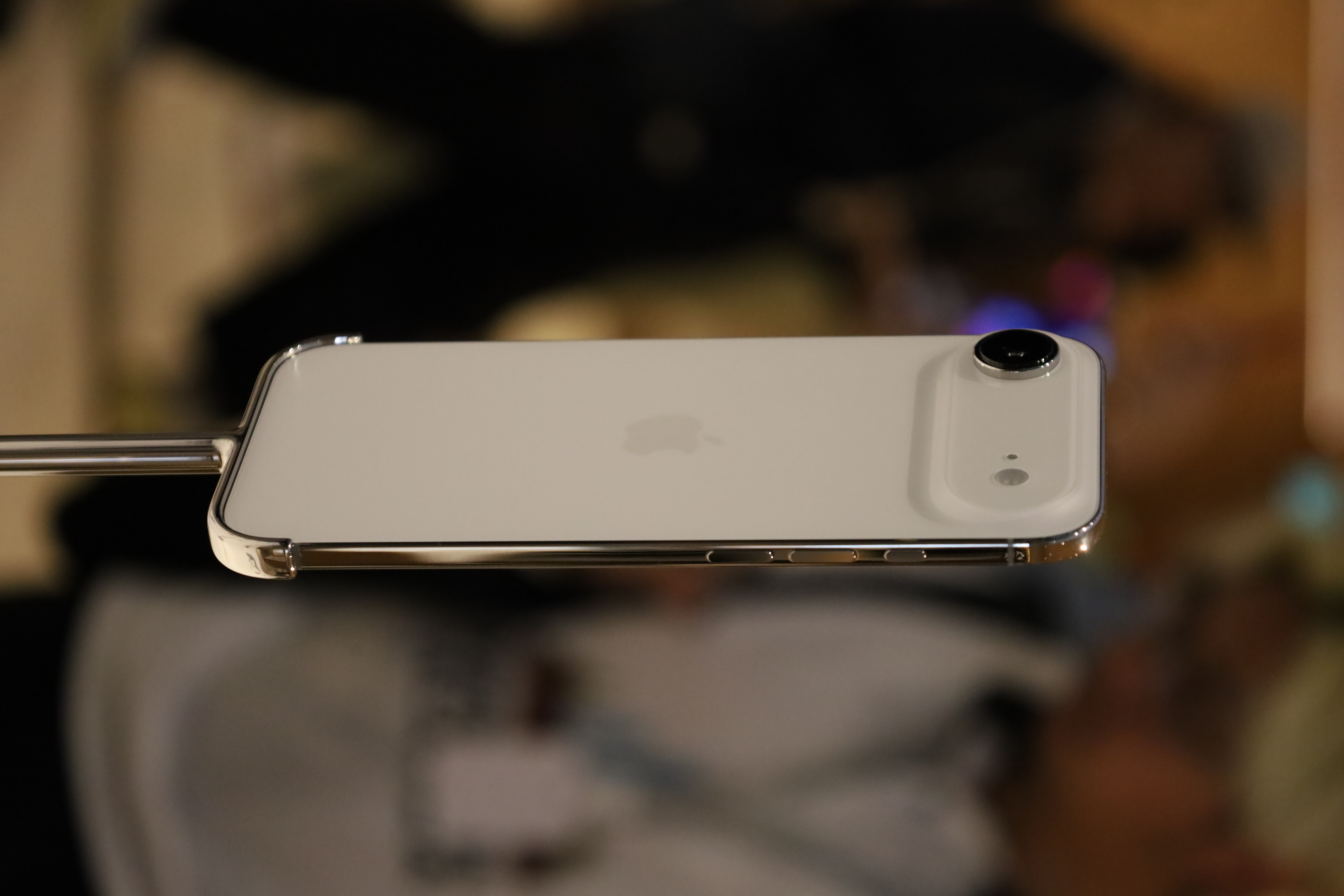
Launch week is the least useful time to understand a phone. The battery is fresh, the storage is empty, the case has not yellowed and reviewers have not yet spent a summer using navigation while the device sits above an Indian car dashboard. A smartphone reveals itself through repetition: network handovers, repair costs, software updates, family photographs, dust in the charging port and the morning when a swollen battery becomes more urgent than a new camera mode. That is why I look at the iPhone 17 as a five-year possession, not a September event.
Apple’s official announcement describes a larger high-refresh-rate display, upgraded cameras, the A19 chip and a higher base storage tier. Its later software announcement shows how heavily the ownership proposition now depends on continuing platform development. Those are meaningful changes, particularly when they reach the regular model instead of being reserved for “Pro” buyers. But specifications answer what the phone can do on day one. Indian buyers should ask how comfortably it can be owned on day one thousand.
The base model is finally the grown-up choice
For years, Apple’s regular iPhone often felt deliberately incomplete. The company knew buyers would compare a smooth flagship display with a cheaper-looking refresh rate and climb the price ladder. Bringing a better display and generous starting storage to the base model improves daily use more than another distant zoom lens would for most people. Scrolling, reading, maps and messaging occupy far more time than cinematic video. I appreciate an upgrade that respects mundane ownership.
The cameras will be excellent, but camera arguments have reached the stage where family preference matters more than laboratory victory. Skin tones, motion, night processing and video consistency affect real memories. A parent photographing a child indoors needs reliable focus more than a hundred-megapixel badge. Apple’s strength remains predictability across photo and video. Its weakness is that accessories, cloud storage and repair can turn predictability into an expensive ecosystem bill.
Indian pricing changes the calculation. A phone that costs a substantial share of annual disposable income cannot be judged as a fashion cycle. Exchange offers and no-cost instalments reduce the monthly pain without reducing the price. Buyers should calculate total ownership: device, protective case, possible battery replacement, storage subscription and repair risk. If that figure feels reasonable only after assuming a high resale value, the purchase is already too dependent on the next upgrade.
Battery health matters more than benchmark glory
Modern flagship chips are faster than most owners require. After two years, people rarely complain that messaging lacks computational headroom. They complain that the battery falls sharply during a commute, the phone heats during video calls or storage fills with forwarded media. Long-term reviews should therefore test degradation, thermal behaviour and background reliability. Peak performance is an engineering achievement; sustained convenience is a product achievement.
India’s climate is an unforgiving reviewer. Heat accelerates battery ageing, and many users charge in warm rooms, cars or pockets connected to power banks. Fast charging is useful, but charging discipline and thermal management shape longevity. Apple should make battery replacement straightforward, fairly priced and widely available beyond major metros. A device supported with years of software deserves a service network that helps its hardware survive those years.
Repairability remains the uncomfortable part of premium ownership. Water resistance and compact engineering make devices difficult to open, but companies also control parts, diagnostics and pricing. Consumers should not have to choose between an authorised repair that approaches the value of an older phone and an independent repair that may trigger warnings or compromise sealing. Durable software support rings hollow if a cracked rear panel economically totals the device.
AI needs to become boringly useful
Every phone company now presents artificial intelligence as though users wake up longing for a foundation model. I want fewer demonstrations and more dependable small improvements: call screening that understands Indian spam patterns, transcription that handles accents, photo search that finds documents, translation that respects local languages and notifications that become less chaotic without hiding something important. Intelligence should remove friction. If it creates another interface to supervise, it is employment disguised as convenience.
Apple’s privacy positioning gives it a credible advantage, but implementation matters more than slogans. Features may vary by language, region and hardware. Indian buyers should check what works locally at purchase rather than assume a global keynote applies to them. A future capability is not part of today’s value unless the company gives a clear timeline and delivers. The technology industry has become too comfortable selling nouns in advance.
Software updates themselves are a reason to buy an iPhone and a reason to resist annual replacement. Long support spreads the environmental and financial cost across more years. Yet updates can also strain old batteries or change familiar interfaces. Apple should optimise for ageing devices and communicate trade-offs plainly. Supporting a phone means more than allowing installation; it means preserving acceptable performance.
Buy it, then ignore next September
For someone using an older phone with poor battery life, limited storage or expiring support, the iPhone 17 looks like a sensible premium upgrade. For an iPhone 15 or 16 owner, it is mostly a compelling advertisement for patience. The annual differences become meaningful when accumulated across several generations. That is how durable technology should work. The industry’s calendar asks us to experience continuity as deprivation.
I would choose storage carefully, buy a good case, disable unnecessary background activity and budget for a battery replacement around the middle of ownership. I would also compare the regular model with discounted older models and Android flagships, because brand comfort should not eliminate arithmetic. Network performance, service access and family ecosystem may justify paying more; a titanium-coloured aspiration does not.
The iPhone 17’s most attractive quality is not that it changes everything. It is that the base model appears mature enough to stop thinking about phones for several years. Apple will never advertise that as aggressively as its newest camera. I will. The best premium handset is the one that becomes ordinary: dependable on a railway platform, repairable after an accident and still receiving updates when the instalments are a distant memory. Buy for that life, not for launch night.