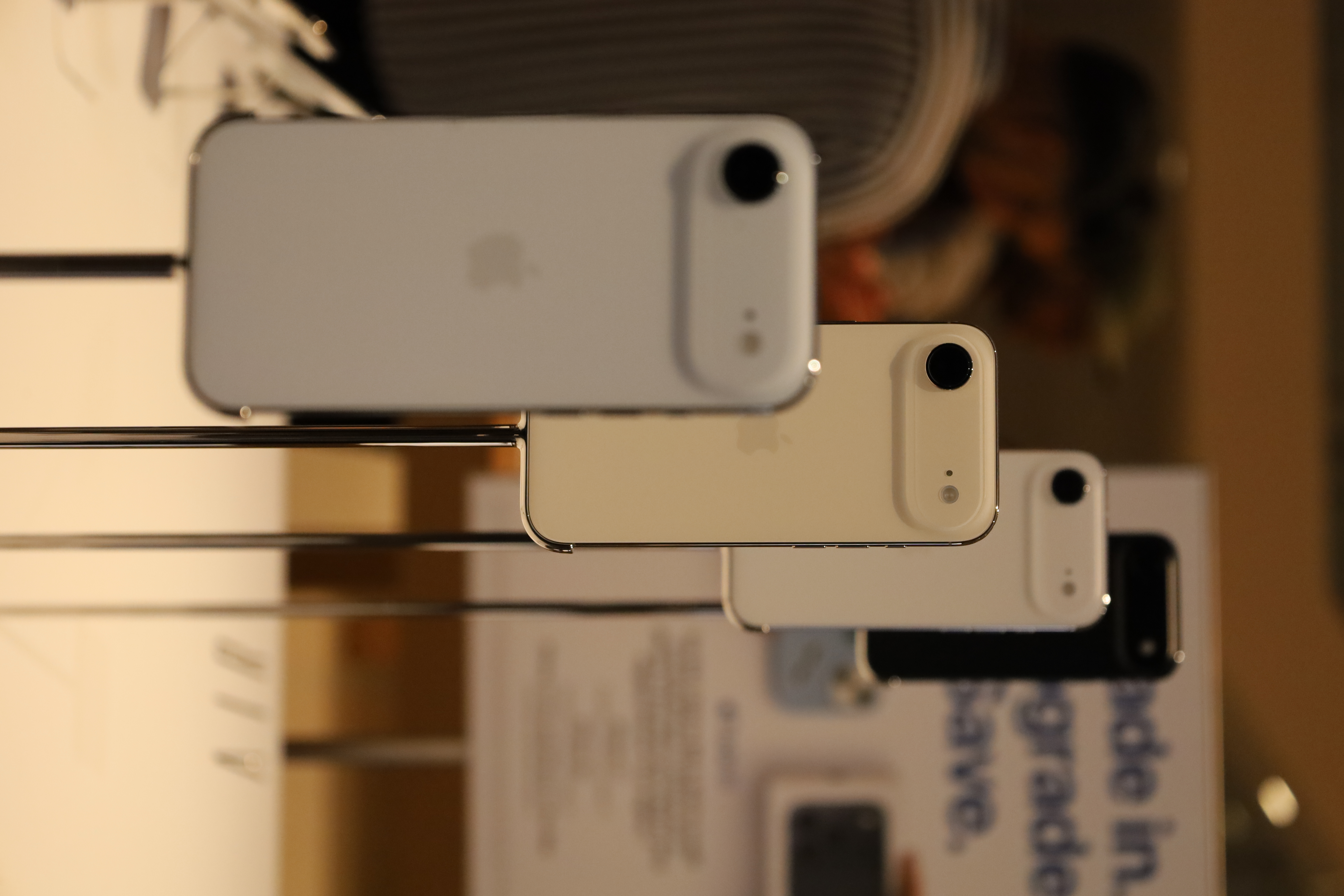
I have no objection to people queuing for a new iPhone. Everyone is entitled to a harmless ritual, and fluorescent retail lighting is safer than many Indian festivals. My objection is to the idea that the queue tells us whether the phone is good value. The useful iPhone review begins after two summers, one battery-health warning, several gigabytes of family WhatsApp media and the first conversation with an authorised service centre.
Apple’s official India iPhone pages explain the current range and its headline capabilities, while the company’s India repair information is where prospective owners should spend equal time. I judge phones by ownership friction: battery ageing, repair access, storage pressure, software support, network behaviour and resale. On that basis, the iPhone remains very good—but not automatically wise.
Longevity is Apple’s strongest argument
The best case for buying an iPhone is not a launch feature. It is the likelihood that the device will remain supported, responsive and commercially useful for years. Indian buyers often stretch phones beyond the replacement cycles assumed in global marketing. A device that receives updates, retains app compatibility and holds resale value can justify a higher initial price.
Apple’s control over hardware and software helps. Performance tends to remain consistent, accessory availability is excellent and repair technicians know the devices. Family hand-me-downs work because an older iPhone still has social and functional value. If a phone moves from parent to child to exchange programme, its effective cost is different from a device abandoned after two years.
But longevity exists only if the owner buys enough storage. The cheapest variant is often displayed as the price of entry and then paired with years of photography, video, downloads and chat backups. Cloud storage can relieve pressure, but it creates a recurring bill and assumes reliable connectivity. I would rather see buyers choose a less glamorous model with more storage than the newest badge with constant deletion anxiety.
Battery health is the ownership clock
Most modern phones are fast enough. The component that makes them feel old is the battery. Indian heat, navigation, 5G use, camera recording and frequent charging all accelerate the sense of decline. A phone that once lasted a day begins demanding an afternoon top-up. Performance remains impressive on paper while ownership becomes irritating.
A battery replacement can restore the device, which is why service pricing matters. Buyers should check the current authorised cost before purchase, not after the warning appears. They should also ask whether a service centre exists within reasonable travel distance. India is larger than the handful of cities represented in launch events. A repair that requires courier anxiety or an intercity journey changes the value proposition.
I would like Apple and every premium manufacturer to make battery replacement a celebrated maintenance event rather than a vaguely shameful admission that the phone has aged. Publish clear pricing, appointment availability and turnaround standards. Offer diagnostic transparency. A company serious about sustainability should prefer a three-year-old phone with a fresh battery to a new sale produced by avoidable frustration.
Repairs reveal the premium
Premium phones are sold through finish, camera quality and ecosystem ease. The premium becomes most visible after a fall. Display and rear-glass repairs can cost enough to alter a household budget. Insurance or AppleCare may make sense for some buyers, but that is another cost that launch comparisons often exclude.
Independent repair remains important in India because authorised networks are uneven and price-sensitive customers need options. Parts pairing and software restrictions can complicate that market. Manufacturers have legitimate concerns about quality and security, yet owners should retain meaningful ability to repair property they purchased. Warning users about a non-genuine component is reasonable; disabling useful functions without necessity is not.
A case and screen protector are still the least exciting high-value accessories. Reviewers may praise the beauty of exposed glass, but they do not pay for your replacement. I use protection, accept the aesthetic defeat and sleep comfortably. A phone is a tool carried through autos, airports, kitchens and monsoons. Treating it like gallery sculpture is an expensive hobby.
The ecosystem is both benefit and toll road
If you own a Mac, AirPods and an Apple Watch, the iPhone’s conveniences are real. Handoff, shared credentials, device tracking and accessory integration reduce small daily annoyances. Technology earns loyalty through those quiet minutes saved, not keynote superlatives.
The same integration raises exit costs. Photos, subscriptions, watches, cables and habits accumulate. A buyer may continue choosing iPhones not because each is independently best but because switching now requires work. That is not necessarily exploitation; ecosystems create genuine value. It is nevertheless a cost, and informed buyers should recognise it.
Indian families often mix platforms. One person uses Android, another iOS, and the household relies on WhatsApp, Google Photos and cross-platform banking apps. In that context, some celebrated ecosystem benefits shrink. Before paying for them, ask whether your actual people and devices participate. A feature demonstrated between three Apple products is irrelevant if you own only one.
Cameras are excellent, but storage sends the invoice
iPhones remain dependable cameras, particularly for video and consistent colour. Parents value the probability of getting the shot more than laboratory differences in sensor size. Social apps also tend to be well optimised. These are legitimate strengths.
Yet better video produces larger files, and enthusiastic recording accelerates storage and cloud costs. The camera upgrade and storage decision cannot be separated. Nor can photography be judged only in daylight. Indian users should test skin tones under mixed indoor lighting, motion at school events, stabilisation from a moving vehicle and microphone performance in loud spaces. A sunset sample from a controlled review is pleasant but incomplete.
Computational processing is now aggressive across brands. Sharpening, HDR and portrait segmentation may create an immediately impressive image that ages poorly. I prefer a camera whose output is predictable. Buyers should download full-resolution samples rather than judge compressed social-media posts.
Who should actually buy one
An iPhone makes sense for someone who will keep it four or five years, values video, wants long software support, has accessible authorised service and can afford adequate storage without financial gymnastics. A previous-generation model during a reputable sale is often the rational choice. The differences between adjacent generations rarely transform daily life as dramatically as marketing suggests.
It makes less sense for a buyer stretching a budget merely for status, particularly if one accident would make repair impossible. Excellent Android phones offer strong cameras, faster charging and greater hardware choice at lower prices. Their weaknesses vary by brand—update policy, bloatware, resale and service—but competition is genuine. There is no moral achievement in owning either platform.
I also advise against financing a premium phone over a period approaching its upgrade cycle. Easy monthly payments disguise total cost. Add protection, case, charger if needed, cloud storage and eventual battery replacement. Then compare that number with alternatives. Arithmetic is the antidote to launch-day hypnosis.
A two-year review should be normal
Technology publications should revisit major phones after twelve and twenty-four months. Report battery health, update quality, service experience, case availability, storage use and resale offers. Ask whether camera processing changed through software. Measure how much preinstalled or system data grew. These questions serve owners; launch benchmarks mainly serve launches.
Manufacturers would benefit too. A phone that ages well creates trust more durable than an influencer campaign. Apple is better positioned than most because its devices often retain capability and value. It should lean into that advantage with cheaper maintenance, broader service and clearer repairability.
The newest iPhone is probably fast, polished and capable of photographs that would have astonished us a decade ago. That tells me almost nothing about whether you should buy it. The Indian test is slower: Can it survive heat, crowded storage, a tired battery, one bad fall and the household’s actual budget? If the answer is yes—and you plan to keep it—the premium may be justified. If not, the queue is simply theatre with excellent lighting.