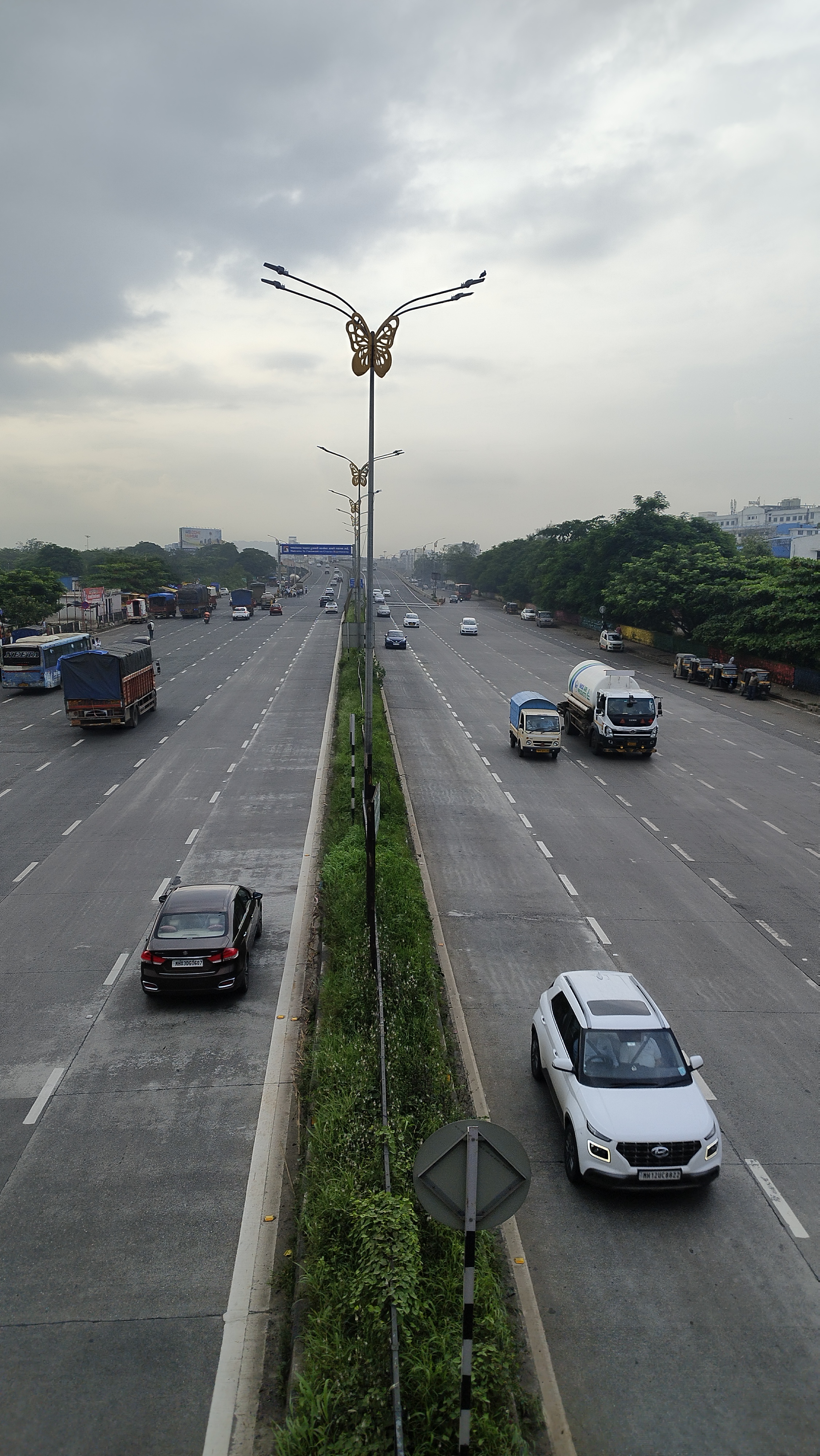

Electric-car conversations in India begin with the wrong number. Someone asks the certified range, subtracts an internet-approved safety margin and announces whether the vehicle is practical for the entire country. That calculation feels scientific because it contains kilometres. It ignores the more important unit: the distance between the owner’s bed and a reliable electrical connection beside the parked car.
The current Tata Nexon EV illustrates how far the vehicle side has progressed. Tata’s official specifications describe a 45kWh version, multiple charging options and a certified range far beyond the earliest model. Meanwhile, the Ministry of Power’s 2024 charging guidelines address public, private and semi-public charging, connection timelines, tariffs and land access. The car can now satisfy many ordinary driving patterns. The unresolved experience begins in apartment basements, distribution-company offices and highway chargers that exist on a map but not necessarily in working order.
Home charging is the real luxury feature
An EV owner with a dedicated parking spot, permission to install a charger and predictable overnight power experiences the technology at its best. The car begins most mornings with the required energy. Fuel-station detours disappear. Slow charging is gentle, convenient and often inexpensive. Range anxiety becomes something discussed by relatives who do not own the car.
An apartment resident without assigned parking faces a different product. Cables cannot safely cross common areas. Housing societies worry about fire, billing and precedent. Electrical capacity may require upgrades. Landlords hesitate to approve installations. The owner becomes dependent on public charging for routine use, transforming a convenient vehicle into a scheduling exercise.
Builders should be required to make new parking areas EV-ready through conduits, load planning and transparent metering, not merely provide two ceremonial chargers near the entrance. Existing societies need model rules that allocate costs fairly and prevent committees from imposing blanket bans out of unfamiliarity. Fire-safety standards must be specific and evidence-based; “battery” cannot become an incantation used to reject every proposal.
Distribution companies are central. Connection upgrades, sanctioned load and time-of-use tariffs determine whether charging works at scale. The national guidelines are useful, but implementation lives with state regulators and local utilities. Owners should be able to understand application steps, charges and deadlines without hiring an electrical diplomat.
Certified range is a ceiling, not a promise
Laboratory range creates comparability, not prophecy. Speed, temperature, gradients, rain, tyre pressure, payload and air-conditioning change consumption. Indian drivers encounter congested cities, fast expressways, broken diversions and hot parked cabins in one journey. An honest salesperson should discuss realistic bands rather than repeat the largest certified number as if road conditions signed the brochure.
The Nexon EV’s available range is sufficient for most urban commutes and many intercity journeys when charging is planned. That does not mean every version delivers the same comfort. Battery size, charger speed and route infrastructure alter how much buffer an owner should retain. Buyers should examine their longest recurring trip, not the once-a-decade fantasy drive to a remote pass.
Fast-charging figures also need context. Peak speed may occur only across part of the battery curve. A busy or heat-limited charger can deliver less. Charging from ten to eighty percent is relevant because the final portion often slows, but families on a trip may care about queue time, food, toilets, lighting and whether the connector is accessible when another car parks badly.
Public networks should publish uptime, delivered power and recent successful sessions. A pin on an app is not infrastructure. Neither is a charger marked operational because its screen glows. Reliability metrics need independent definitions so operators cannot classify a derated or inaccessible unit as fully available.
The highway gap is operational, not merely numerical
India does not only need more chargers; it needs clusters at sensible intervals. A single unit at a location creates fragility. If it is occupied or broken, the driver has no redundancy. Multiple chargers with different power levels, clear queuing and twenty-four-hour access create confidence. Amenities and security matter particularly for women and families travelling at night.
Payment fragmentation remains absurd. Drivers should not maintain balances across numerous apps to buy electricity. Interoperability, roaming and card or UPI payment should become normal. The Ministry’s emphasis on connected infrastructure is welcome, but consumers will judge connection by whether one account can begin a session, not by the elegance of a policy diagram.
Operators need a viable business model. Early utilisation can be low, while land, grid connections and maintenance cost money. Public support may be justified on strategic routes, but subsidies should reward uptime and energy delivered rather than installation alone. Paying for metal cabinets produces ribbon-cuttings; paying for reliable service produces a network.
Highway planning must also consider peak travel. A route adequate on Tuesday can collapse during a festival weekend when charging dwell time creates queues. Operators should share live status and estimated wait times. Large hubs can use dynamic pricing carefully, though essential access should not become opportunistic gouging during demand spikes.
Ownership is better than the sceptics admit
I do not want infrastructure gaps to become an excuse for endless delay. For the right household, a Nexon EV is already practical. Daily running can be quiet and inexpensive, regenerative braking suits urban traffic, and home charging changes the refuelling relationship fundamentally. Owners with predictable routes often wonder why the public conversation remains stuck in 2020.
Battery warranties and thermal management have reduced some early fears, though buyers should read terms rather than absorb reassurance. Capacity degradation is gradual and varies with conditions. A battery need not retain factory-new range forever to remain useful. The relevant question is whether service centres can diagnose modules, provide transparent health reports and repair components without defaulting to unaffordable pack replacement.
Software is now part of vehicle reliability. Charging communication, range estimation, connected apps and updates can improve ownership or create new failure points. Manufacturers must provide change logs, preserve essential functions without subscriptions and train workshops to distinguish software faults from hardware problems. A car should not require the owner to become unpaid beta support.
Resale remains uncertain because used buyers lack standard battery-health certificates. India needs trusted diagnostic reports showing usable capacity, fault history and warranty status. Once financiers and insurers can price battery condition confidently, used EVs may broaden access rather than frighten second owners with an unknowable component.
Ask these questions before booking
I would not book an EV until the parking and electrical survey is complete. Obtain written society or landlord permission. Confirm sanctioned load, cable route, earthing, metering and installation cost. Check whether the charger remains if you change cars. Photograph the parking geometry. A salesman’s assurance that “our team will manage” is not an electrical plan.
Next, map recurring routes using at least two charging networks and read recent user reports. Call a location you expect to depend upon. Visit one if possible. Understand backup options. If your livelihood involves unpredictable daily travel far beyond the comfortable range, a hybrid or efficient combustion car may currently be the better tool. Environmental enthusiasm should not require logistical self-harm.
Finally, compare total price with the realistic energy and maintenance savings for your mileage. Buyers who drive little may take years to recover the premium. Buyers with high, predictable urban use and home charging can make the economics work much sooner. There is no universal break-even number because electricity tariffs, fuel prices, financing and resale vary.
The Nexon EV demonstrates that the Indian electric car is no longer an experiment for enthusiasts. It is also not a petrol car with a different fuel tank. Its convenience depends on where it sleeps and how the charging ecosystem behaves when something fails. Showrooms sell range because it fits on a standee. I would rather they begin with a photograph of your parking space. That unglamorous rectangle of concrete will decide whether the electric transition feels effortless or like a second job.