
The Tata Nexon EV helped make electric cars look normal on Indian roads. That may be its most important achievement. It is not an eccentric science project or an imported luxury statement; it is a familiar compact SUV that happens to run on electricity. The current product offers useful range and a mature driving experience, and Autocar’s Nexon EV overview sets out the battery options, claimed figures and equipment. Yet the car’s suitability depends less on the number printed beside “range” than on where it sleeps. If you have a reliable private charging point, the Nexon EV can make urban ownership remarkably easy. If you depend entirely on public chargers, every week contains an avoidable logistics problem. Showrooms should say this plainly.
Home charging is the real subsidy
An owner who plugs in overnight begins most mornings with sufficient energy and rarely visits a public charger. That changes the psychology of refuelling. Instead of making a special trip, charging occurs while the car is parked. Per-kilometre running cost can be attractive, especially for high city usage, and the quiet drivetrain makes congestion less exhausting. But this convenience is unevenly distributed. Owners of independent houses or assigned parking with electrical access possess an advantage that many apartment residents do not.
Housing societies can delay or reject charger installation because of wiring concerns, parking disputes, load capacity or simple unfamiliarity. Tenants face additional permission layers. Shared basements raise questions about metering and fire protocols. These are solvable engineering and governance issues, but they are not solved by increasing the vehicle’s certified range. State regulators, distribution companies and municipal bodies need standard processes specifying technical requirements, approval timelines and billing arrangements. An EV transition cannot rely on each buyer negotiating a private infrastructure treaty with a residents’ committee.
Public charging is backup, not yet comfort
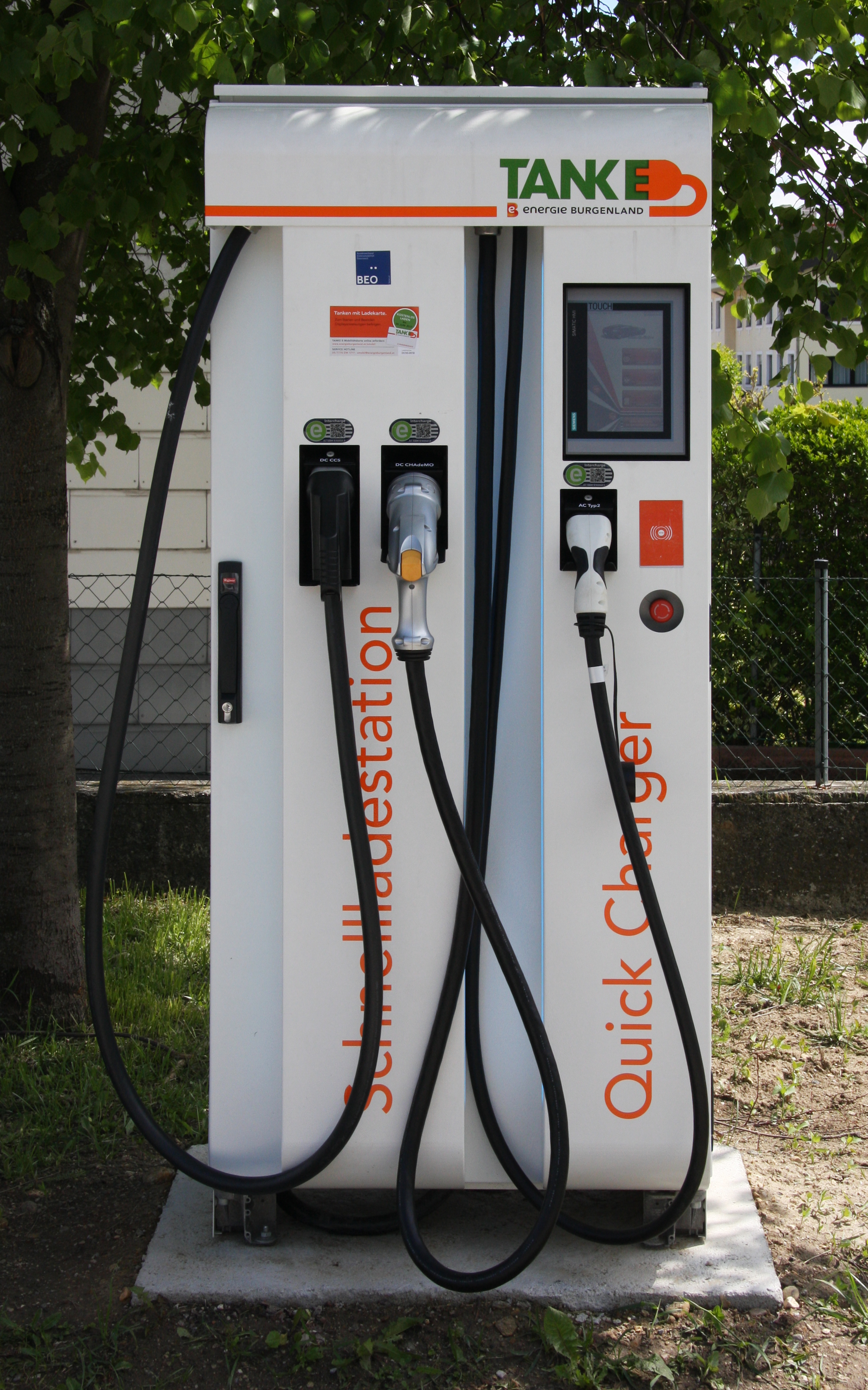
Networks have expanded along highways and in cities, but a map pin is not the same as a usable charger. Connectors can be occupied, blocked by combustion vehicles, offline or difficult to activate across separate apps. Queues become painful because charging sessions last longer than fuel stops. Site safety, lighting, toilets and food matter during intercity travel, particularly for women and families. Infrastructure should be judged as a service system, not as an installed-device count.
Charging speed varies within the Nexon range. Autocar’s range and charging explainer distinguishes claimed range, real-world results and charging times for different batteries. This is exactly the information buyers need. The smaller-battery version’s modest DC rate can turn a highway stop into a long wait even when a faster charger is available. A showroom demonstration should explain the car’s maximum intake, not merely point to the charger’s headline rating. A 120kW dispenser does not make a car charge at 120kW.
Range is a seasonal, personal number
Certified figures allow comparison under controlled conditions, but actual range changes with speed, temperature, gradients, load, tyre pressure and air-conditioning. City driving can suit EVs because regenerative braking recovers energy; sustained high-speed travel consumes it rapidly. Buyers should calculate a conservative range from their longest routine journey, not their average commute. Keep a buffer. A car that technically completes a route with three per cent remaining is not a relaxed transport solution.
Manufacturers have improved range displays and route planning, but charger data must become more reliable and integrated. The vehicle should know whether a station is functioning, occupied and compatible. Payment should be interoperable. We would not accept a petrol car requiring a different wallet and registration for each fuel-company pump. Charging networks should not preserve that friction merely because the market is young.
The ownership savings need honest arithmetic
EV sales discussions often compare electricity with petrol while ignoring purchase-price differences, financing, insurance, tyre wear, charger installation and resale uncertainty. Electric cars can still save money, especially at high annual mileage with home tariffs. But every buyer’s break-even point differs. Calculate it using realistic efficiency and the share of energy likely to come from costlier public fast charging. If annual mileage is low, environmental preference and driving refinement may be stronger reasons than financial payback.
Battery warranties reduce a major fear, and long coverage offered on some versions is encouraging. Warranty terms, exclusions and transferability should be read rather than admired from a poster. Battery degradation is usually gradual, not a dramatic failure. Owners need transparent health reports that support resale, and the used-car market needs trustworthy certification. A healthy second-hand EV ecosystem will do more for mass adoption than another luxury launch.
A good EV cannot replace policy
The Nexon EV itself is increasingly competent. Its Bharat NCAP listing on the official ratings portal adds welcome safety evidence, and the car’s broad service footprint gives it an advantage. My reservations concern the ecosystem surrounding it. India needs apartment-charging rules, dependable highway hubs, technician training, battery diagnostics, interoperable payments and published uptime. These are institutional tasks. Automakers can contribute, but no single brand should control the road’s essential charging layer.
I recommend the Nexon EV most confidently to a buyer with assigned parking, sanctioned charging, substantial city mileage and access to another plan for rare extreme journeys—or the patience to plan them carefully. That may sound less exciting than a showroom pitch. It is also the path to satisfied ownership. The EV transition will not be won by persuading people that infrastructure gaps are imaginary. It will be won by naming those gaps, fixing them and ensuring that charging becomes as forgettable as plugging in a phone.