
The most persuasive smartphone specification in India is no longer a camera megapixel or synthetic benchmark. It is the battery number. We commute through unreliable networks, use phones as wallets and workstations, endure hot weather and cannot assume a charger will be nearby. Oppo understands this perfectly, which is why the F35 series arrives waving a huge battery and aggressive charging like a candidate promising uninterrupted electricity. I appreciate the priority. I am not convinced by the price.
A detailed launch roundup from 91mobiles lists the F35 family’s main specifications and Indian pricing, while Gadgets 360’s Oppo coverage provides broader context for the company’s range. Those launch facts are useful, but my question begins where launch coverage ends: what will this device feel like after twenty-four months of Indian ownership?
A battery is a system, not a poster
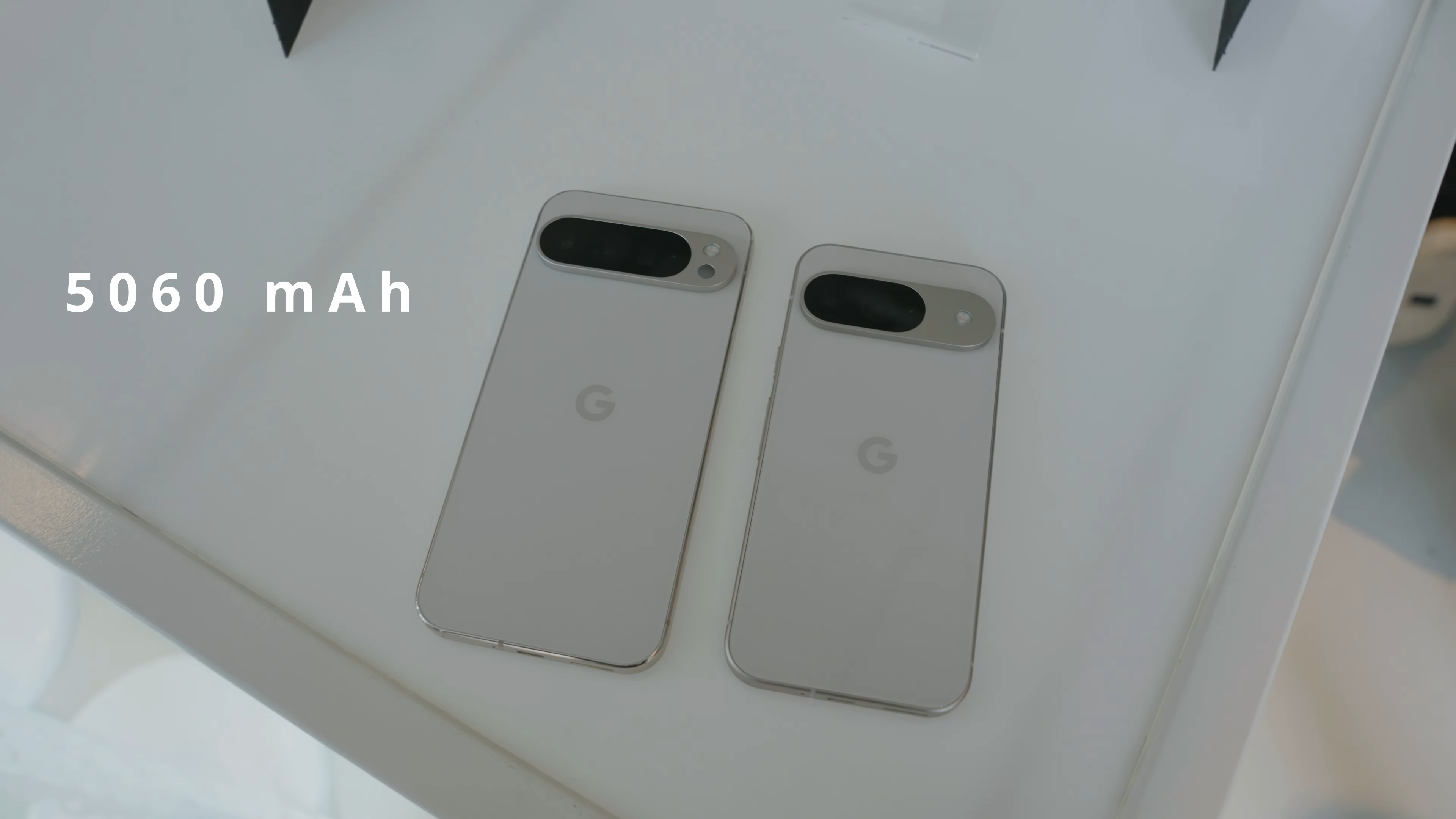
An 8,000mAh-class battery sounds magnificent, and for many buyers it may transform daily use. Fewer charging cycles can reduce anxiety and may slow wear. Yet capacity alone does not determine longevity. Heat management, charging behaviour, software optimisation, cell chemistry and replacement availability matter. A large battery driven hard by fast charging in a warm room can still age poorly.
Oppo should publish easily understood battery-health commitments: expected retained capacity under defined cycles, the price of an authorised replacement, and how long replacements will remain stocked. Consumers receive elaborate claims about laboratory endurance and very little information about a repair three years later. Ownership begins with a sealed box; value is decided when the seal is ancient history.
Weight and ergonomics matter too. Large batteries impose physical trade-offs even when new chemistry limits thickness. Buyers should handle the phone with a case, because that is how most Indians will use it. A device that feels impressively slim for five minutes can become tiring during a long call, commute or reading session. Reviewers should stop treating the naked phone as the normal state of ownership.
Ingress protection is valuable in monsoons, dusty roads and kitchens, but ratings are not permission to become careless. Water resistance can decline after impacts and repairs, while warranties contain exclusions that marketing slides rarely emphasise. Durability should include drop resistance, spare-part cost and service competence—not merely a row of IP codes.
₹39,000 enters a harsher conversation
At the lower end of the market, one outstanding feature can justify compromise. Near ₹40,000, buyers can compare discounted flagships, performance-focused models and devices with longer software support. The F35 therefore cannot be judged only against its predecessor. It must explain why a customer should choose battery abundance over stronger cameras, faster silicon or a cleaner update record elsewhere.
Processor naming is especially unhelpful. Chip vendors and phone brands produce a soup of Max, Pro and numbered labels that tell ordinary buyers almost nothing. The relevant questions are sustained performance, modem efficiency, image processing, thermal behaviour and whether the device will remain smooth after several operating-system updates. A phone can open apps quickly in a launch-day test while becoming irritating once storage fills and background services multiply.
Storage configuration deserves scrutiny. A premium-looking screen and large battery do not compensate for limited base storage when high-resolution video, WhatsApp media and offline downloads accumulate. Expandable storage has disappeared from many segments, making the entry variant’s capacity a long-term constraint. Brands advertise an attractive starting price while review units mysteriously arrive with the comfortable configuration.
Cameras should be evaluated for family life, not only architecture photographed at noon. Can the phone capture a moving child indoors without blur? Are skin tones stable across the main and selfie cameras? Does the ultrawide remain useful after sunset? Does video audio survive traffic? Mid-range phones frequently deliver one impressive main sensor and several decorative circles. At this price, decorative cameras are insulting.
Software decides whether hardware grows old gracefully
Oppo’s ColorOS offers many useful features, but feature density can become friction. Pre-installed applications, duplicated stores, promotional notifications and battery-management rules affect daily ownership more than an animation shown at launch. Buyers should not have to perform a ritual of disabling recommendations before a new phone feels like theirs.
Update promises need exact language. How many Android version upgrades? How many years of security patches? What is the delivery cadence, and does it apply to the Indian variant? A long promise with irregular patches can be less useful than a shorter, dependable policy. Security support has financial importance because phones carry banking credentials, identity documents and personal communication.
Major updates must also preserve performance. Brands earn publicity for releasing an update and little accountability if it introduces drain, camera regressions or interface lag. Independent long-term testing should revisit popular devices after each major version. Consumers deserve to know whether the support promise improves the product or merely changes a number in Settings.
Repairability is the other software-policy cousin nobody invites to launches. A screen replacement can alter the economics of ownership overnight. Oppo should make official part prices easy to find, state labour charges clearly and guarantee software calibration after repairs. Service-centre experiences vary by city; transparency can narrow that gap.
Who should actually buy it?
The F35 makes sense for a particular buyer: somebody who values endurance above gaming, wants an offline retail network, prefers Oppo’s interface, and intends to keep the phone for several years. A field worker, frequent traveller or heavy hotspot user may rationally pay for battery margin. Value is not identical for everyone, and online enthusiasts often undervalue service reach.
It makes less sense for buyers attracted by the battery number but otherwise using a phone lightly. A cheaper model plus a small power bank may provide better total value. Camera-focused users should compare real samples. Gamers should examine sustained frame rates and touch behaviour. Long-term owners should compare update and repair commitments rather than retail gifts.
Offline sales complicate price. Exchange bonuses, bank offers and dealer discounts can make the effective cost lower than the sticker, but they also prevent clean comparison. I prefer straightforward pricing to a puzzle requiring a particular credit card, an old phone and a weekend sale. Brands use inflated list prices to manufacture the feeling of a bargain.
My verdict is not that the F35 is bad. It is that one genuinely useful strength has been asked to carry too much of the argument. A giant battery solves a real Indian problem. It does not automatically justify the entire phone, especially in a segment where rivals are competent and last year’s flagships remain available.
Before buying, I would wait for independent battery tests, thermal measurements, camera comparisons and a clear update schedule. I would visit a service centre’s price page and hold the phone in its case. Launch-day excitement lasts a weekend. The owner’s relationship lasts through summers, updates, drops and the first moment the battery no longer feels giant. That is the review that matters.