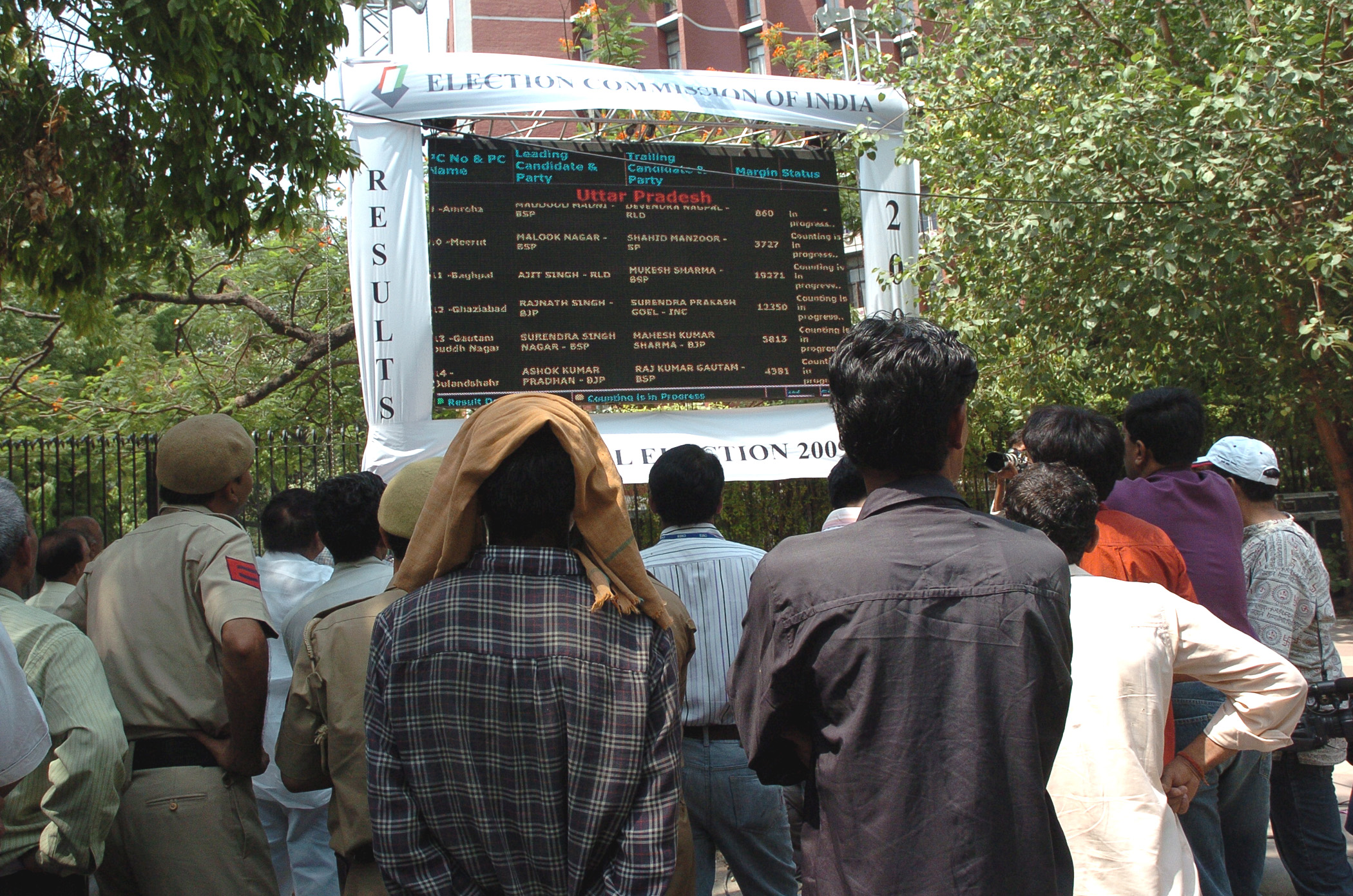
Delhi’s commentary class has an impressive emergency siren. It is tested almost daily. A committee is formed: democracy is dying. A Bill is introduced: federalism has been found unconscious. The government proposes changing an electoral arrangement: the Constitution, apparently a delicate porcelain heirloom, is seconds from hitting the floor. I am tired of this inflationary rhetoric, and simultaneous elections are a particularly revealing example. The proposal has serious constitutional and practical questions. State mandates cannot be treated as administrative clutter, and any mechanism for early dissolution must preserve representative government. Those are reasons for exacting debate. They are not proof of dictatorship. The Election Commission’s publication archive documents the scale and frequency of Indian elections; any honest discussion should begin by acknowledging the administrative burden rather than pretending the problem was invented in a BJP WhatsApp group.
A reform is not a coup because the BJP proposed it
India held simultaneous Lok Sabha and Assembly elections in its early decades. The Election Commission’s 2024 election atlas records that historical fact. Restoring some alignment would admittedly be far more complicated now because governments fall, coalitions shift and the federal system has matured. Yet the history alone demolishes the theatrical claim that synchronisation is intrinsically alien to the Constitution. The real questions concern design: what happens after a no-confidence vote, whether a replacement government serves only the remaining term, how caretaker arrangements work, and whether voters retain a meaningful opportunity to judge state and national governments separately. I want opposition parties to fight over those clauses. Instead, too many of them begin with a verdict—authoritarianism—and work backwards toward whatever argument can support it.
This reflex damages the opposition more than it restrains the government. Voters can distinguish between disagreement and melodrama. They know elections disrupt administration because they see officials reassigned, security deployed and public works slowed. They know campaigns consume extraordinary political attention because their chief ministers, ministers and party workers disappear into the next state contest. The Model Code of Conduct is essential, but recurring election cycles produce recurring caution in decision-making. None of this means that convenience should trump democracy. It means there is a legitimate problem to solve. When the INDIA alliance refuses even that premise, it communicates that institutional status quo matters more to it than administrative efficiency—unless, of course, it is the alliance proposing the change.
Federalism deserves precision, not costume jewellery
The best objection is federal. National campaigns possess larger media machines, better-funded leaders and a natural tendency to swallow local discussion. Simultaneous voting could encourage citizens to make aligned choices, even when state performance merits a different verdict. Regional parties are entitled to fear that consequence. I would insist on evidence, however, rather than treating voters as easily hypnotised. Indians have repeatedly split their preferences across elections held close together. They are capable of rewarding one party locally and another nationally. The voter is not a laboratory mouse who presses the lotus button whenever a prime-ministerial speech plays. Opponents of reform cannot simultaneously praise the wisdom of the electorate and argue that a common calendar will erase its judgment.
Safeguards matter. State campaigns should have protected broadcast space, expenditure rules must be enforced, and constitutional amendments should be examined by a parliamentary committee rather than rushed through symbolism-heavy sittings. The government should publish clear scenarios showing how the system would handle a hung House, a collapsed coalition, emergency conditions and loss of confidence. It should invite state governments to place formal objections on record and respond clause by clause. If the BJP wants a durable settlement, it must resist its own preference for political choreography. Consensus is not surrender; on constitutional architecture, it is insulation against future reversal.
The commentariat’s selective memory
What irritates me is the selective sanctity attached to existing practice. India’s electoral calendar is not a timeless democratic principle. It is the accumulated result of dissolutions, dismissals and political contingencies. Congress, which used Article 356 with notorious enthusiasm during its years of dominance, now poses as the fragile guardian of state autonomy whenever the Modi government proposes structural change. That history does not disqualify every Congress argument, but it should disqualify the halo. Lutyens Delhi has an extraordinary talent for laundering institutional memory: centralisation under Congress becomes a regrettable period detail; reform under the BJP becomes civilisational darkness.
The same commentators who complain that governments are always campaigning often recoil when someone proposes reducing the frequency of campaigns. They lament election expenditure but reject calendar consolidation before examining it. They deplore policy paralysis during polls but describe the cure as an assault on accountability. This is not scepticism. It is opposition as identity. A democratic culture needs people who distrust power, including BJP power. It also needs critics able to say, “There is a problem here, the government’s objective may be reasonable, and these provisions are where we disagree.” Manufactured outrage crowds out precisely that useful work.
Make the government earn the reform
My support is conditional because implementation could go wrong. A compressed election cycle might require a vast one-time alignment exercise. Extending or shortening elected terms cannot be treated casually; voters granted a mandate for a stated duration. Equipment, personnel, security and counting capacity would need credible planning. Local-body elections add another layer and should not be swept into the project merely to make a slogan numerically satisfying. Above all, constructive votes of no confidence or remainder-term elections must not produce administrations that are stable only on paper and unaccountable in practice. The government should earn consent by solving these details in public.
But the opposition must earn credibility too. It cannot demand consultation while announcing, before consultation, that engagement itself legitimises tyranny. It cannot insist Parliament is being bypassed and then use parliamentary debate mainly to produce clips for social media. Nor can it complain that the BJP dominates the national narrative while declining to make a substantive federal case that ordinary voters can understand. If regional parties believe simultaneous elections would harm local accountability, let them demonstrate how and propose a less disruptive calendar. Perhaps elections could be grouped into two cycles rather than one. Perhaps fixed windows could deliver most administrative benefits without complete synchronisation. Serious alternatives exist.
I am pro-reform because India should not confuse inherited disorder with democratic virtue. I am pro-safeguard because a government confident in its proposal should welcome stress-testing. That position is neither complicated nor extreme. What makes it seem unusual is a political media ecosystem that rewards apocalypse on one side and triumphalism on the other. The BJP should lower the drumbeat and publish the engineering. The INDIA alliance should put away the funeral wreaths and read the clauses. If it finds a genuine constitutional defect, I will listen. If all it offers is another performance of “democracy in danger,” the siren will become background noise—and that would be bad for democracy when a real emergency eventually arrives.