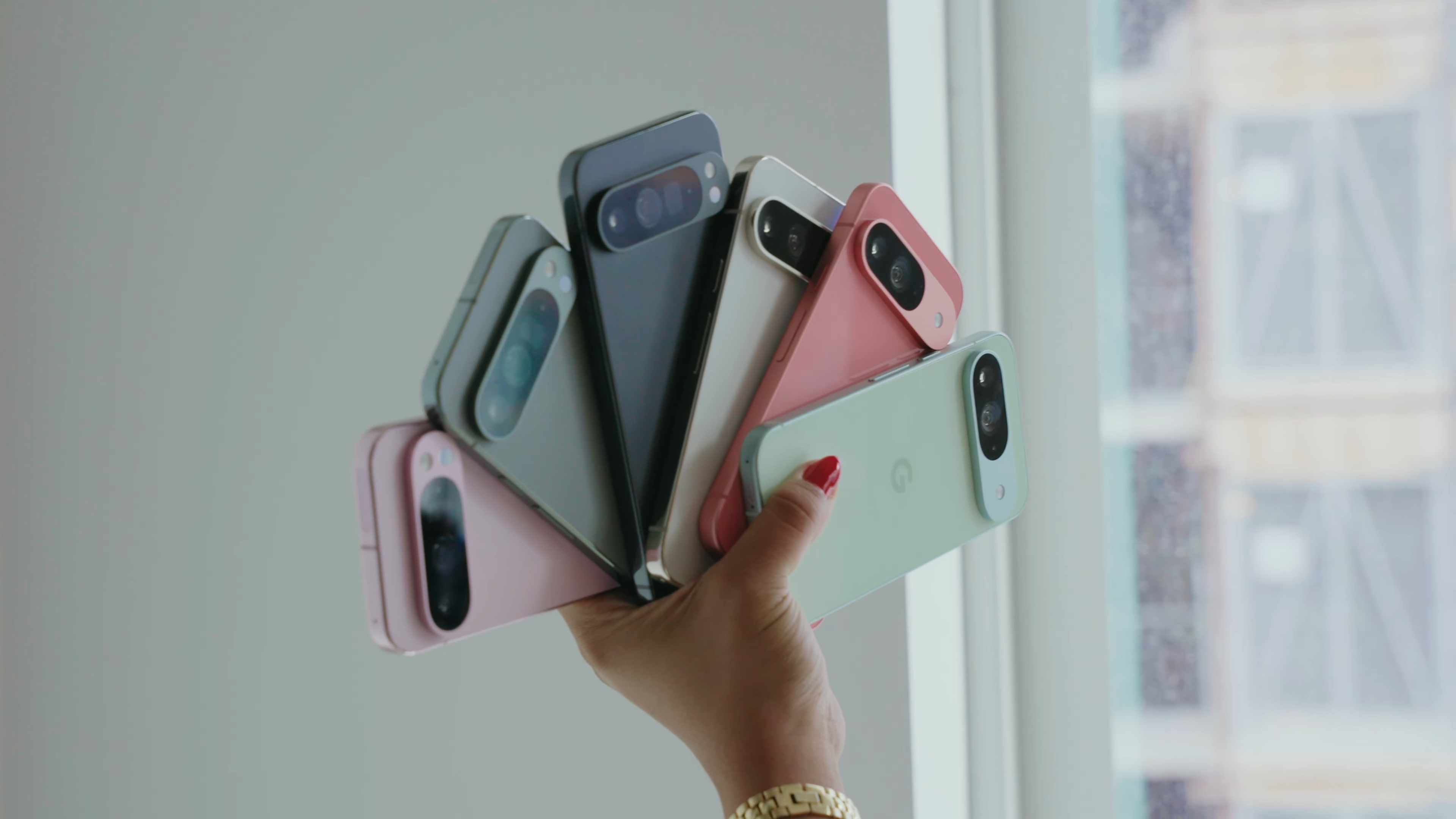
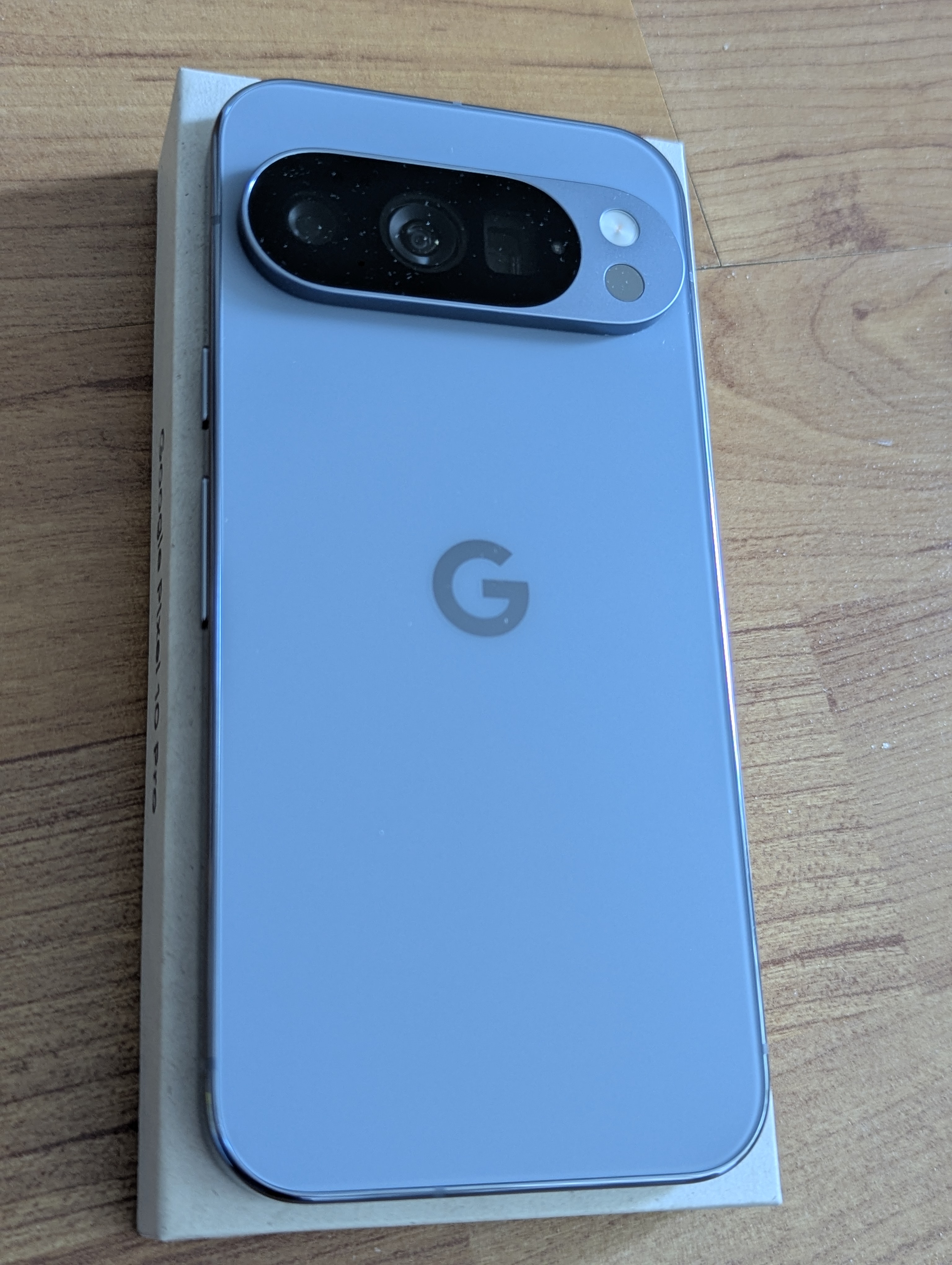
Google’s Pixel 10 is currently presented to Indian buyers at roughly ₹75,000 after a store discount, with a telephoto camera, Tensor G5, magnetic Qi2 charging and seven years of updates among the headline promises on the official product page. Those are respectable features. They are also the easiest part of the purchase. A phone reviewer can photograph a monument, run a benchmark and return the device before the first summer has taught the battery humility. The buyer keeps it through monsoon moisture, patch-induced quirks, a cracked display and the discovery that the authorised service centre is not where the map implied. I judge a premium phone by that second life.
The Pixel has always sold a persuasive idea: Google controls Android, therefore a Google phone should offer the cleanest, smartest version of it. In software, the case is strong. Call screening, photography and timely updates can make everyday use feel considered rather than merely fast. But Indian ownership has repeatedly demanded compromises around thermals, modem consistency, charging speed, accessories and repair availability. A seven-year support promise is valuable only when the hardware remains economically repairable for seven years. Google’s published Pixel update policy tells us how long software support can last; buyers also need confidence that a swollen battery or broken port will not turn year four into an archaeological project.
The specification that matters is inconvenience
I would test the Pixel 10 by asking boring questions. Does it hold a 5G signal inside a concrete apartment where a cheaper rival does? Does navigation overheat the phone on a May afternoon? Can the camera record a school performance without dimming the screen? How much does a genuine battery replacement cost, and how many pin codes have practical access to it? None produces a glamorous chart. All determine whether the phone becomes a companion or a recurring support ticket.
Google advertises more than twenty-four hours of battery life. Every manufacturer uses controlled assumptions, and I do not accuse Google of unusual deception. The problem is that battery claims age badly. Indian users often charge around power cuts, commute with weak signals and keep dual SIMs active. Heat accelerates degradation. A battery that finishes day one comfortably at launch may require an evening top-up after two years. Google should publish expected capacity retention under defined charging cycles and price battery replacements prominently. Longevity marketing without maintenance economics is half a promise.
Pixelsnap and Qi2 are useful additions because standards can outlive proprietary accessories. Yet magnetic wireless charging also introduces cost, heat and another ecosystem of cases. I would not buy the phone for it. Wired charging remains the dependable Indian reality: a charger borrowed at an airport, an office cable, a power bank on a train. Google must ensure the basic experience is quick, cool and tolerant of common certified adapters rather than treating charging as a lifestyle tableau.
The camera cannot carry the whole phone
Pixel photography remains the brand’s strongest argument. Google usually produces reliable skin tones, excellent HDR and a high success rate when the subject refuses to stand still. For parents and travellers, consistency matters more than manual controls. The Pixel 10’s telephoto lens makes the standard model more versatile, and I welcome Google ending the idea that useful zoom belongs only to the most expensive slab of glass.
Still, computational photography has begun to eat its own tail. Aggressive processing can make every sky dramatic and every face clinically legible. AI editing tools raise a separate question: are we preserving a memory or manufacturing an improved version? I am not morally alarmed by removing a photobomber, but the feature arms race increasingly treats photographs as raw suggestions. My preferred camera phone captures the moment well enough that I do not spend the ride home negotiating with software.
Performance is another area where ownership diverges from benchmarks. Tensor need not win synthetic races if the interface remains smooth, apps open quickly and the phone sustains camera and navigation workloads. But premium pricing removes excuses for stutter, modem weakness or thermal throttling. Google wants to compete with Apple and Samsung at the till; it must compete with them after forty minutes of hotspot use in Indian heat.
Seven years changes the bargain
Long support should alter buying behaviour. Instead of asking whether the Pixel 10 beats every 2026 rival, ask whether it will remain secure, usable and repairable in 2031. That favours adequate performance headroom, strong build quality and predictable parts. It also makes storage important. A phone expected to survive seven years should not force buyers toward cloud subscriptions because local space was stingy at purchase.
Google’s improving service network deserves acknowledgement, but premium customers should receive transparent turnaround times, pickup coverage and repair prices. A service promise hidden behind serial-number forms is not transparency. Publish a national parts catalogue. Guarantee battery availability for the support period. Provide loan devices for extended warranty repairs. These are less marketable than Gemini demonstrations, which is exactly why they would distinguish a serious long-term product.
There is a counterargument that most Indians replace premium phones before year seven. True, but extended support still improves resale value and reduces the risk for second owners. Longevity is not only about one person keeping a device until retirement; it is about keeping functional hardware in circulation. The environmental benefit appears when repair is cheaper than replacement, not when sustainability occupies two slides in a launch deck.
Would I buy the Pixel 10 at ₹75,000? I would wait. Google phones often become more rational after discounts, and early buyers perform unpaid quality assurance on new silicon. I would watch modem reports, heating behaviour, repair pricing and battery endurance over several months. If those hold, the combination of camera quality and long support becomes compelling. If not, no quantity of AI summaries will rescue the ownership experience.
The Pixel 10 may be Google’s most complete standard flagship. That is a launch-day judgment. The meaningful verdict arrives when a three-year-old unit needs a battery, still receives updates and can be repaired without a week of phone calls. India does not need another premium phone that dazzles reviewers for ten days. It needs one whose manufacturer remembers the buyer after the box has disappeared into a cupboard.